
- Home
- >
- Blood Pressure
Blood pressure online consult
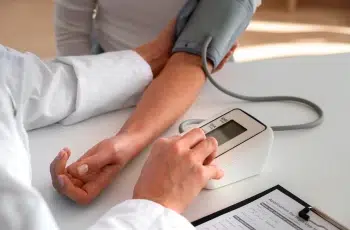
Blood pressure is the force of blood pushing against the walls of your arteries as your heart circulates blood throughout the body. A blood pressure reading includes two numbers: systolic and diastolic.
Concerned about your blood pressure? Talk to an AHPRA-registered doctor online in Australia to discuss your readings, symptoms and possible next steps.

What is blood pressure?
Blood pressure measures how strongly blood pushes against the walls of your arteries. It is recorded using two numbers, such as 120/80 mmHg.
- Systolic pressure (top number): Measures the pressure in your arteries when your heart beats.
- Diastolic pressure (bottom number): Measures the pressure in your arteries when your heart rests between beats.
High blood pressure, also known as hypertension, occurs when your blood pressure stays consistently higher than normal.
In general, a blood pressure reading of 140/90 mmHg or higher is considered high in a clinic setting. However, one high reading does not always mean you have hypertension. Repeated measurements may be needed to confirm it.
High blood pressure often has no noticeable symptoms. Regular checks are important, even if you feel well.
If you have concerns about your blood pressure readings, Hola Health can connect you with an Australian-based doctor through an online consult to discuss your concerns and possible next steps.
Quick facts
- Blood pressure is measured using two numbers: systolic and diastolic pressure. [1]
- A clinic reading of 140/90 mmHg or higher is generally considered high. [1]
- High blood pressure often has no noticeable symptoms. [1]
- Around 39% of Australian adults aged 18 and over had hypertension in 2022, according to the AIHW. [2, 5]
- Regular blood pressure checks can help identify high blood pressure early. [3, 4]
Disclaimer: This content is for general informational and educational purposes only. It is not intended to replace professional medical advice, diagnosis or treatment. Always seek advice from a qualified healthcare professional regarding any medical concerns. In an emergency, call 000.
This content is medically reviewed by Dr. Ammar AL-ANI, MBChB, CCBST, AMC. Last updated: 25 Nov 2026.
Types of blood pressure
Normal blood pressure
Blood pressure is generally below 120/80 mmHg.
Elevated blood pressure
Readings are higher than the ideal range but below the usual high blood pressure threshold.
High blood pressure (hypertension)
Blood pressure is consistently 140/90 mmHg or higher in a clinic setting.
Low blood pressure (hypotension)
Blood pressure is lower than normal, often below 90/60 mmHg.
Symptoms of high blood pressure
Causes of high blood pressure
Lack of physical activity: Inactivity increases your chances of developing high blood pressure.
Being overweight: Carrying extra weight may increase your blood pressure.
High-salt diet: Consuming excessive salt may contribute to high blood pressure.
Alcohol: Alcohol can increase your risk of high blood pressure.
Smoking: Smoking can increase cardiovascular risk and contribute to high blood pressure.
Medical conditions: kidney disease, sleep apnoea and some hormonal conditions
Medicines and drugs: Some medicines can increase blood pressure.
How to prevent high blood pressure
| Approach | What it involves |
|---|---|
| Eat a balanced diet | Include vegetables, fruits, whole grains and other nutritious foods. |
| Reduce salt intake | Limit foods that contain high amounts of salt, such as processed and packaged foods. |
| Stay physically active | Include regular physical activity in your daily routine. |
| Maintain a healthy weight | Work towards a weight that is suitable for your overall health. |
| Limit alcohol | Avoid drinking too much alcohol. |
| Avoid smoking | Smoking can affect your blood vessels and heart health. |
| Manage stress | Make time for rest and activities that help you relax. |
| Check your blood pressure | Have regular checks, even if you do not notice any symptoms. |
Note: This information is for educational purposes only. Speak to a doctor if you have concerns about your blood pressure or overall health or call 000 in emergencies.
How Hola may help
Hola Health offers 24/7 online consultations with Australia-based, AHPRA-registered doctors.
You can:- Discuss your blood pressure readings and any concerns.
- Share symptoms such as headaches, dizziness or blurred vision.
- Discuss your medical history and family history with a doctor.
- Understand whether your blood pressure readings need further assessment.
- Discuss whether an in-person blood pressure check or other medical assessment may be needed.
Note: Hola Health offers online consultations with AHPRA-registered doctors in Australia. Blood pressure may need to be checked in person or monitored at home. Telehealth may not be suitable for every case. For emergency, call 000 immediately.

Frequently asked questions
How can a doctor measure my blood pressure during an online consultation?
What can an online doctor do for my blood pressure?
- Reviewing blood pressure readings
- Discussing symptoms and risk factors
- Offering lifestyle guidance
- Arranging blood tests or other investigations
- Supporting long-term blood pressure control
How high blood pressure affects organs?
High blood pressure can silently damage multiple organs over time, especially when left untreated.
- Heart: Risk of heart attack, heart failure, irregular heart rhythms
- Brain: Risk of stroke, cognitive decline, dementia
- Eyes: Can cause hypertensive retinopathy → vision problems
- Kidneys: Damage to kidney function → chronic kidney disease risk
- Arteries: Arterial stiffness & atherosclerosis → reduced blood flow
What lifestyle adjustments would an online doctor recommend for high blood pressure?
Recommendations might include
- Engage in regular physical activity
- Dietary adjustments and nutritional management
- Maintaining a healthy weight
- Managing stress
- Limiting/stopping alcohol consumption
- Improving sleep habits
- Quitting smoking
What are the causes and symptoms for low blood pressure?
Low blood pressure can be triggered by various factors, including:
- Dehydration: Lack of fluids can reduce blood volume, leading to lower blood pressure.
- Heart conditions: Issues like heart failure, bradycardia (slow heart rate), or valve problems can contribute to hypotension.
- Endocrine disorders: Conditions like hypothyroidism, adrenal insufficiency, or diabetes can affect blood pressure regulation.
- Medications: Some drugs, including beta-blockers, diuretics, and antidepressants, can lower blood pressure.
- Nutritional deficiencies: A lack of vitamin B12 or folate can lead to anaemia, reducing blood pressure.
- Blood loss or severe infection: Losing a significant amount of blood or developing a severe infection can lead to dangerously low blood pressure.
- Postural hypotension: A sudden drop in blood pressure when standing up, causing dizziness or light headedness.
Mild cases of hypotension may not cause symptoms, but when blood pressure drops too low, it can result in:
- Dizziness or light-headedness
- Fainting
- Blurred vision
- Fatigue and weakness
- Nausea
- Difficulty concentrating
- Shock (in extreme cases), leading to rapid breathing and confusion — this is a medical emergency, call 000 immediately.
Prevention tips for low blood pressure?
If hypotension is causing symptoms, here are some ways to manage it:
- Stay hydrated: Drink plenty of fluids, especially water, to maintain blood volume.
- Increase salt intake (If recommended by a doctor): In some cases, more sodium can help raise blood pressure.
- Eat small frequent meals: Large meals can cause postprandial hypotension (a drop in blood pressure after eating).
- Avoid sudden position changes: Stand up slowly to prevent dizziness from postural hypotension.
- Wear compression stockings: These helps prevent blood from pooling in the legs, if recommended by your doctor.
- Review medications: Some drugs may need adjustment if they are contributing to low blood pressure.
Sources & references
- Healthdirect – High blood pressure (hypertension)
- Australian Institute of Health and Welfare (AIHW) – Hypertension in Australia
- Heart Foundation – Blood pressure and heart health
- Healthdirect – Blood pressure monitoring at home
- AIHW – How common is hypertension?
Note :- Learn how we create and review our health content in our editorial policy and clinical governance pages.