

Contents
10 home remedies for heartburn after drinking alcohol

 ChatGpt
  Google AI Mode
  Perplexity
  Claude
 This blog is for educational purposes only and does not replace professional medical advice or diagnosis. If you have health concerns, consult an AHPRA-registered telehealth doctor or request a medical certificate online if clinically appropriate. Please note: Hola Health does not currently offer Mental Health Care Plans.
Overview
Alcohol can trigger heartburn by relaxing the valve that keeps stomach acid in place. Quick fixes such as baking soda, water, bananas, or ginger tea may help. To prevent flare-ups, avoid trigger foods, limit alcohol, and make small lifestyle changes.
See your doctor or medical practitioner if your heartburn symptoms are frequent, severe, or don’t improve. If you’re unable to visit a clinic, a telehealth consultation can provide a convenient way to discuss your symptoms with a doctor from home and determine whether further assessment is needed.
If you get heartburn after drinking beer or wine, you’re not alone. Alcohol relaxes the valve between your stomach and oesophagus, boosts acid production, and lowers LOS (lower oesophageal sphincter) pressure, a known trigger for reflux and GORD (Gastroesophageal Reflux Disease) symptoms. “A systematic review demonstrated that the prevalence of GORD is 11.6% in Australia.”¹
The good news? There are simple, everyday kitchen hacks that may help alleviate heartburn, including water, bananas, ginger and more. Feeling too unwell to go to work today? Stay in bed and request a same-day medical certificate online while you try these home remedies.
Suggested home remedies
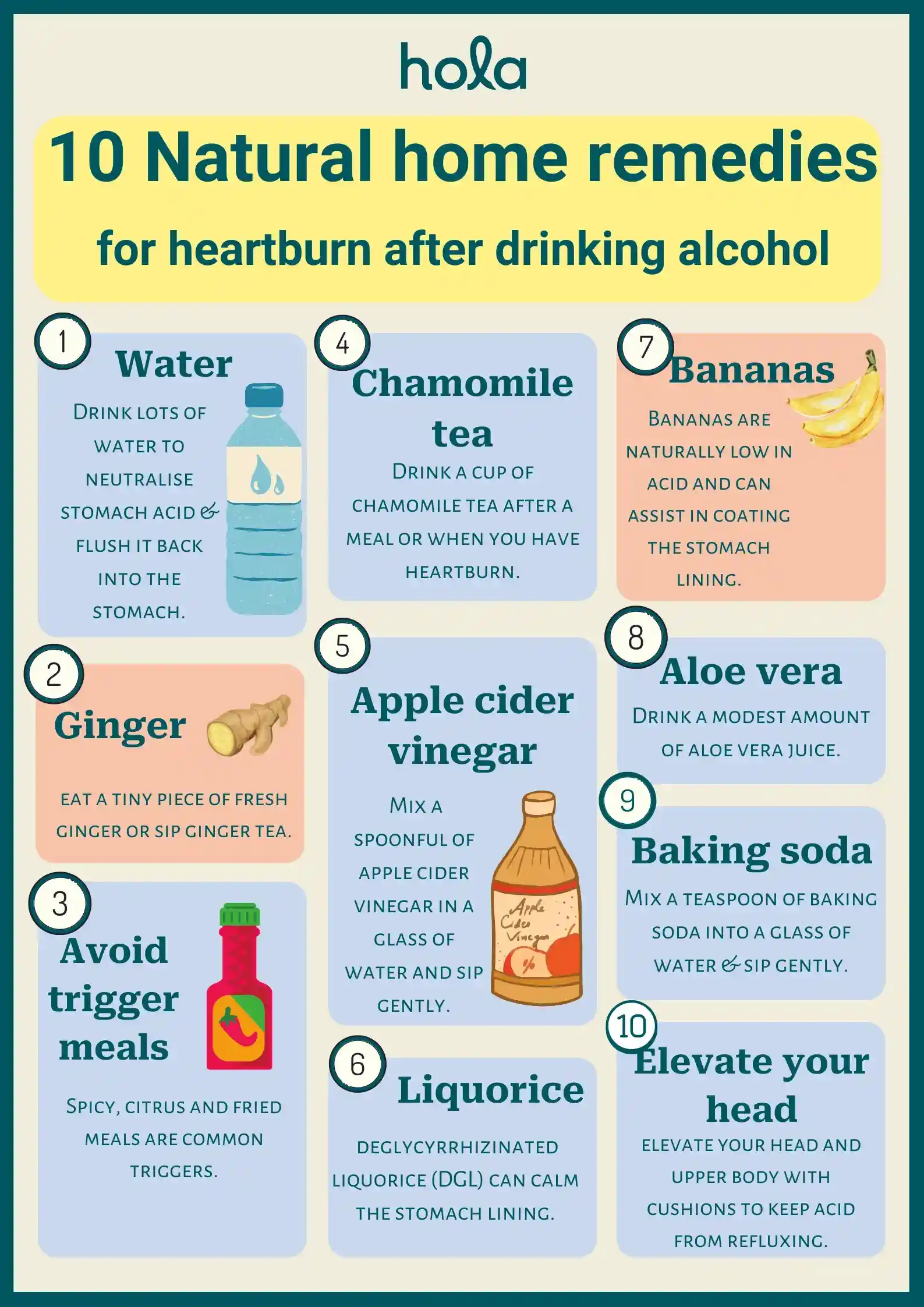
Try any of the following to calm the fire:
- Baking soda: A spoonful of baking soda mixed with water can calm stomach acid almost instantly, easing discomfort. It acts fast, perfect if heartburn strikes soon after drinking. However, intake should be limited: taking more than ½ to 1 teaspoon at once may disrupt electrolyte balance and cause abdominal bloating. Not recommended for people on low-sodium diets.
- Plain water (non-carbonated): Water dilutes excess acid and helps wash it away, relieving symptoms within minutes. It is the safest option, except in cases where fluid intake is medically restricted. Avoid sparkling or citrus-flavoured drinks, as they may worsen reflux.
- Ginger tea: Warm ginger tea helps your stomach empty faster, reducing the likelihood of reflux by moving acid downwards. Relief usually comes within 15 to 30 minutes. Stick to one small cup, as excess can upset sensitive stomachs or even trigger reflux in some individuals.
- Banana: Bananas have a gentle alkaline effect and form a light coating on the oesophagus, calming irritation. Symptom improvement is often noticed within 10 to 20 minutes. They are generally safe, but if you have kidney issues, consult your doctor or authorised health practitioner about potassium intake.
- Sugar-free chewing gum (non-mint flavour): Chewing promotes saliva production and encourages regular swallowing, which helps neutralise acid. You’ll likely feel better in around 20 to 30 minutes. Choose sugar-free options and avoid mint flavours, which can relax the LES and worsen the reflux.
- Deglycyrrhizinated Liquorice (DGL): DGL tablets or chewables help boost the production of soothing mucus in the oesophagus. It works more slowly, over a few hours or with repeated doses. Opt for DGL instead of regular licorice to reduce the risks of high blood pressure and low potassium levels. If you have hypertension, check with your GP first.
Why does alcohol make it worse?
Drinking alcohol contributes to reflux symptoms in several ways:
- It relaxes the LOS, promoting backflow of gastric acid.
- It stimulates stomach acid production.
- It irritates the lining of the stomach and oesophagus.
- It lowers your guard, often leading to late-night overeating or indulgence in heavy foods.
- Alcoholic drink types and mixers like citrus-based, fizzy, or sugary ones aggravate symptoms.
See an AHPRA-registered doctor online, anytime
24/7 across Australia
How to avoid heartburn when drinking alcohol
Health experts recommend moderation when consuming alcohol, especially if you experience frequent heartburn. Some key recommendations include:
- Drink in moderation; even small amounts may trigger reflux. Australian health guidance (e.g., healthdirect) now explicitly includes cutting back on alcohol as a key lifestyle modification to ease reflux and heartburn symptoms.
- Choose smoother spirits such as whiskey or gin and avoid acidic or fizzy mixers.
- Avoid lying down right after drinking.
- Opt for smaller portions and skip known triggers before drinking.
- Keep a healthy weight, as increased pressure on the belly can exacerbate heartburn.
- Elevate your head while sleeping and favour your left side to reduce nocturnal reflux episodes.
- Wear comfortable, loose clothing to minimise gastric compression.
- Limit smoking and manage stress, as both can aggravate reflux.
Treatment and prevention
Simple changes in diet and lifestyle can significantly reduce heartburn episodes. Consider implementing the following strategies:
- Maintain a food and drink journal to identify your heartburn triggers.
- Adjust your daily routines by having smaller meals, keeping yourself upright after eating, and raising your head while you sleep.
- Alter dietary choices; eliminate known triggers and alcohol, and choose gentler, non-acidic options.
- Use simple home fixes such as water, baking soda, ginger tea, or sugar-free gum.
- Consider adopting healthier habits, such as staying properly hydrated, managing your weight, quitting smoking, and finding ways to manage stress.
When should you consult a GP
The majority of heartburn instances are mild and can typically be handled through dietary adjustments, over-the-counter antacids, or home remedies. However, certain circumstances necessitate medical attention.
Seek urgent medical help if:
- You have chest pain that feels tight, crushing, or radiates to your arm or jaw; it could be a heart attack, not heartburn.
- Chest discomfort comes with shortness of breath, dizziness, sweating, or nausea.
- You throw up blood or notice black, tarry stools; It can indicate bleeding in the digestive tract.
- You experience unintentional weight loss or trouble swallowing; this could suggest a serious problem such as oesophageal injury.
Book a GP appointment if:
- Heartburn occurs more than twice weekly, suggesting possible gastro-oesophageal reflux disease (GORD).
- You are experiencing heartburn for the first time, especially if you’re over 50, to exclude other conditions.
- You’re pregnant; your doctor or medical practitioner can suggest safe options and rule out other causes.
- You have a persistent cough, sore throat, or hoarseness; reflux can irritate the airways and be mistaken for other illnesses.
- Nighttime reflux disturbs your sleep; if left untreated, it may cause damage to the oesophagus over time.
- Over-the-counter medications provide inadequate relief; you may need stronger or prescription medicines.
- Need time to rest, and a online medical certificate for work can help your leave application.
- If your symptoms flare up late at night or over the weekend, you can speak with an after-hours doctor or authorised health practitioner immediately rather than waiting for your regular clinic to open.
Can a telehealth doctor help with heartburn?
If heartburn symptoms are frequent, severe, persistent or affecting your daily life, speaking with a doctor can help you understand possible causes and appropriate treatment options. A telehealth doctor may be able to assess your symptoms through an online consultation when your condition is suitable for telehealth.
During a telehealth consultation, a doctor can ask about your symptoms, how often they occur, your diet and lifestyle, medications and any other relevant medical history. If you need an examination, testing or further assessment, the doctor can advise you on the next appropriate step.
If you’re eligible for the service, you can book a telehealth appointment through Hola Health and speak with an AHPRA-registered practitioner.
How Hola Health may be able to help
Hola Health is an Australian telehealth platform that connects you with registered doctors and nurse practitioners – from the comfort of your home, at a time that suits you. Depending on your situation, a Hola Health clinician may be able to help with:
- 24/7 General medical advice via online doctor consult – talk through symptoms or health concerns with a registered doctor or medical practitioner.
- Doctor cert – for work or personal leave, when clinically appropriate
- Referrals to specialists – or in-person services when needed
- Instant scripts online (if clinically appropriate) – at a clinician’s discretion and where clinically suitable.
- Pathology or imaging requests – when assessed as appropriate by your treating clinician.
Hola Health clinicians are AHPRA-registered Doctors and medical practitioners in Australia. They will always recommend an in-person consultation, specialist referral, or emergency care if that is in your best interest.
Note: Telehealth is not suitable for all conditions. Hola Health does not replace your regular GP, specialist, or emergency services. If you are unsure whether telehealth is right for your situation, we recommend speaking with your usual healthcare provider. In emergencies, call 000.
Conclusion
So, while these tricks and tweaks can help manage the aftermath of indulgence, remember to listen to your body and seek advice if heartburn continues. Whether it’s adjusting your drink choices, mastering your meal timing, finding what works best for you ensures you can sip, savour and enjoy without the acid reflux making a comeback.
ek or more, may warrant discussion with a doctor because recurrent symptoms can be associated with GORD.
Consult for online scripts anytime, receive via SMS
24/7 across Australia
FAQ
Alcohols more likely to trigger heartburn include red wine, beer, and spirits like whiskey or brandy. They can relax the lower oesophageal sphincter (LOS) and stimulate excess acid production. Carbonated and acidic mixers (like citrus or soda) may worsen discomfort. Milder alternatives, such as white wine or diluted clear spirits, may be gentler, but moderation is key. Avoid drinking on an empty stomach or just before bedtime to minimise symptoms.
Home remedies for heartburn after drinking alcohol include sipping cold water, chewing sugar-free gum to stimulate saliva and balance acid, and choosing non-citrus herbal teas like ginger tea. Having a small serving of banana or plain yoghurt may also calm the stomach. Avoid lying down and stay upright for a couple of hours. Dissolving half a teaspoon of baking soda in water can provide quick relief, but it should be used occasionally.
To prevent heartburn when drinking alcohol, follow these tips: 1. Drink in moderation and avoid heavy sessions and binges. 2. Choose milder options such as white wine or diluted clear spirits. 3. Avoid sparkling drinks and sour mixers (citrus juices or sodas). 4. Eat before or while drinking to reduce acid irritation. 5. Remain upright for at least 2 to 3 hours after drinking. 6. Drink slowly, take small sips, and avoid lying down immediately. If you're prone to heartburn, consult a registered GP or authorised health practitioner about preventative antacids.
Heartburn is a burning feeling in the chest or throat, caused by gastric acid reflux into the oesophagus. It is commonly caused by a weakened or relaxed lower oesophageal sphincter (LOS) or by an overproduction of gastric acid.
- ✓ GORD is common in Australia: Australian general practice data has estimated GORD prevalence at around 11.6%, with higher rates reported in some populations.
- ✓ Heartburn symptoms are widespread: Australian research has reported that 15–20% of adults experience heartburn at least weekly, although estimates vary depending on the population and how symptoms are defined.
- ✓ Alcohol may contribute to reflux symptoms in some people: Alcohol consumption has been identified as one factor associated with GORD, although individual triggers vary and drinking alcohol does not mean someone will develop GORD.
- ✓ GORD prevalence varies between populations: A systematic review found estimated prevalence ranging from 18.1–27.8% in North America to 3–8% in East Asia, highlighting substantial geographic variation in reported GORD rates.
- ✓ Home remedies may provide symptom relief, but evidence and response vary: Measures such as staying upright after eating, avoiding personal trigger foods and drinks, and chewing gum may help some people manage reflux symptoms. However, there is not enough evidence to state that specific remedies will reliably relieve heartburn within a particular timeframe.
- ✓ Frequent heartburn may need medical assessment: Heartburn occurring regularly, particularly twice a week or more, may warrant discussion with a doctor because recurrent symptoms can be associated with GORD.
Sources & references
- Medicine Today — Heartburn: Always reflux? An update on gastro-oesophageal reflux
Medicine Today — Heartburn: Always reflux - PubMed Central — Systematic review of GORD prevalence
Use this for the international prevalence ranges, including 18.1–27.8% in North America and 3–8% in East Asia.
PubMed Central — GORD systematic review - NIDDK — Acid Reflux (GER & GERD) in Adults
Useful for explaining GORD symptoms, risk factors and management.
NIDDK — Acid Reflux (GER & GERD) in Adults - PubMed Central — GORD reference
PubMed Central — GORD reference
Authors

Editorial staff
Medically reviewed by

Dr Nelson Lau
MBBS FRACGP, General Practitioner
30+ Years of Experience
Dr Nelson Lau is a highly experienced Doctors in Australia and digital health innovator with over 30 years of clinical practice. He is a graduate of the University of Western Australia and a Fellow of the Royal Australian College of General Practitioners (FRACGP).

Dr Ammar Al-Ani
General Practitioner - MBChB, CCBST, AMC
28+ Years of Experience
Dr Ammar Al-Ani is an experienced GP with over 28 years of clinical practice, including a strong background in surgery and primary care. He delivers evidence-based telehealth consultations, offering comprehensive and patient-focused care across a wide range of conditions.
Disclaimer
This blog is for general informational purposes only and does not indicate that Hola Health provides all treatments or preventive measures mentioned. It is not intended to be a substitute for professional medical advice. Always seek the guidance of your doctor or other qualified health professional with any questions you may have regarding your health or a medical condition. For emergencies please immediately contact 000. Any medical topics discussed are intended to educate, not to imply availability through Hola Health.
Note: At Hola Health, we're committed to offering trustworthy, accurate and up-to-date health information. Our Editorial Process entails thorough research, fact- checking, and medical review by doctors in diverse health fields, including medical practitioners, doctors, and psychotherapists based in Australia. We take guidance from qualified Australian doctors. We prioritise primary sources and avoid tertiary references wherever possible.
See a Aussie GP online, available 24/7
Download the app today.