Contents
How Telehealth Compliments General Practice?

 ChatGpt
 Google AI Mode
 Perplexity
 Claude
This blog is for educational purposes only and does not replace professional medical advice or diagnosis. If you have health concerns, consult an AHPRA-registered telehealth doctor or request a medical certificate online if clinically appropriate. Please note: Hola Health does not currently offer Mental Health Care Plans.
Overview
Telehealth has quietly become one of the most useful tools in Australian healthcare. It does not replace your doctor or medical practitioners. It just makes getting care a lot easier, more often than not.
Telehealth appointments are more than just a modern convenience; they represent a significant advancement in the way healthcare is delivered. By improving access, efficiency and flexibility, telehealth is helping reshape general practice across Australia.
What Is Telehealth in General Practice?
General practice covers most of your everyday health needs. Your doctor or medical practitioners handles everything from prescriptions and referrals to mental health and chronic disease management.
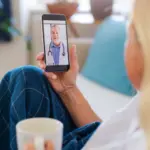
Telehealth simply means having that online doctor consultation over a phone or video call instead of walking into a clinic. Since Medicare permanently expanded telehealth coverage after the pandemic, millions of Australians now use it regularly.
Telehealth does not replace the traditional doctor or medical practitioners –patient relationship. Instead, it complements it. While face-to-face consultations remain crucial for examinations and procedures, telehealth offers an additional layer of support for follow-ups, quick consultations and ongoing care. Telehealth doctors and regular doctor or medical practitioners can work in tandem, sharing information to ensure comprehensive and continuous care.
See an AHPRA-registered doctor online, anytime
24/7 across Australia
Why It Matters Right Now
Australia has a doctor or medical practitioners shortage problem. In rural and regional areas especially, waiting weeks for an appointment is normal. Telehealth helps close that gap without requiring anyone to drive two hours each way.
Even in cities, convenience matters. Fitting a doctor or medical practitioners visit around work, childcare or school isn’t always straightforward. Telehealth removes lots of that friction. It also reduces time spent in waiting rooms and lowers exposure to airborne infections.
Telehealth can also reduce indirect costs. Less travel, less time off work, and fewer logistical barriers can make accessing care more cost-effective for many patients.
What Works Well via Telehealth
- Repeat prescriptions for stable, ongoing conditions
- Mental health consultations, including Mental Health management Plans
- Chronic disease check-ins for asthma, hypertension
- Test result discussions after pathology or advanced imaging
- Referrals to specialists
- Medical certificates for work or study
- After-hours triage and medical advice when clinics are closed
- Post-operative follow-up discussions where physical examination is not required
- Review of certain dermatological conditions using clear images or video
These are the bread-and-butter appointments that make up a significant portion of what doctor or medical practitioners do every day. Telehealth is particularly valuable for ongoing monitoring, allowing more frequent check-ins and timely adjustments to management plans.
When You Still Need to Go In Person
Telehealth has real limits. A doctor or medical practitioners cannot examine you through a screen. See your doctor in person if you have:=
- A new or unexplained symptom that needs physical assessment
- A wound, skin concern, or anything that needs to be looked at properly
- A procedure, injection, or cervical screening due
- Symptoms that are worsening and not improving
If you’re experiencing chest pain, difficulty breathing, or signs of a stroke, call 000 immediately.
When in doubt, call your clinic and ask. They will point you in the right direction.
Telehealth and Chronic Disease Management
For anyone managing a long-term condition, regular doctor or medical practitioners contact is not optional. It is part of staying well. The problem is that frequent in-person visits are not always realistic.
Telehealth makes check-ins more achievable. Your doctor or medical practitioners can review your symptoms, adjust medications, and update your care plan without you needing to take time off work or arrange transport. Over time, that consistency genuinely improves health outcomes.
With more frequent touchpoints, patients can be continuously monitored and changes in their condition can be addressed promptly, supporting stronger continuity of care.
The Convenience Factor
No waiting room. No travel. No parking. That alone makes a difference for a lot of people.
Many patients also find it easier to talk openly about sensitive topics, including mental health, from their own home. That comfort is not trivial.
Telehealth also empowers patients to take greater control of their health by offering flexible scheduling and easier access to follow-up care.
Honest Limitations Worth Knowing
- Older Australians or those less comfortable with technology can find video platforms difficult to navigate
- Poor internet connectivity in rural areas can affect call quality
- Using different telehealth providers each time, rather than your regular doctor or medical practitioners, can lead to fragmented care
- Some concerns genuinely cannot be assessed without a physical examination
Telehealth works best as part of an ongoing relationship with a regular doctor or medical practitioners, not as a replacement for one.
Tips Before Your Next Telehealth Appointment
- Book with your regular doctor or medical practitioners where possibleHave your Medicare card ready
- Write down your symptoms or questions beforehand
- Find somewhere quiet and private
- Test your device or internet connection ahead of time
- Follow up in person if things are not improving
How Hola Health may be able to help
Hola Health is an Australian telehealth platform that connects you with registered doctors and nurse practitioners – from the comfort of your home, at a time that suits you. Depending on your situation, a Hola Health clinician may be able to help with:
- 24/7 General medical advice via telehealth doctor consult – talk through symptoms or health concerns with a registered doctor or medical practitioner.
- Telehealth medical certificate – for work or personal leave, when clinically appropriate
- Referrals to specialists – or in-person services when needed
- Online prescriptions – at a clinician’s discretion and where clinically suitable.
- Pathology or imaging requests – when assessed as appropriate by your treating clinician.
Hola Health clinicians are AHPRA-registered Doctors and medical practitioners in Australia. They will always recommend an in-person consultation, specialist referral, or emergency care if that is in your best interest.
Note: Telehealth is not suitable for all conditions. Hola Health does not replace your regular GP, specialist, or emergency services. If you are unsure whether telehealth is right for your situation, we recommend speaking with your usual healthcare provider. In emergencies, call 000.
Conclusion
Telehealth works because it fits into real life. It does not replace your doctor or medical practitioners, but it makes staying connected to good care a lot more practical. By improving access, efficiency and continuity of care — including outside of standard practice hours — telehealth strengthens the support patients receive. Knowing when to use it, and when to go in person, is really all you need to get the most out of it.
See an AHPRA-registered doctor online, anytime
24/7 across Australia
FAQ
It allows doctor or medical practitioners to handle routine, follow-up, chronic disease appointments and certain after-hours concerns remotely. This reduces pressure on clinics and improves access for patients who cannot easily attend in person.
No. Physical examinations, procedures, and complex presentations still require face-to-face care. Telehealth is a complement, not a substitute.
Repeat prescriptions, referrals, mental health plans, test result reviews, medical certificates, general health advice, certain follow-ups and after-hours triage are all commonly managed via telehealth.
Yes. Medicare covers a range of doctor or medical practitioners telehealth consultations. Eligibility conditions apply. Check with your provider about bulk billing* before booking.
Any time you have a new symptom requiring examination, need a procedure, or are unsure whether remote care is appropriate. If it’s an emergency, call 000.
Authors

Medically reviewed by
Dr Nelson Lau
MBBS FRACGP, General Practitioner
30+ Years of Experience
Dr Nelson Lau is a highly experienced Doctors in Australia and digital health innovator with over 30 years of clinical practice. He is a graduate of the University of Western Australia and a Fellow of the Royal Australian College of General Practitioners (FRACGP).
Disclaimer
This blog is for general informational purposes only and does not indicate that Hola Health provides all treatments or preventive measures mentioned. It is not intended to be a substitute for professional medical advice. Always seek the guidance of your doctor or other qualified health professional with any questions you may have regarding your health or a medical condition. For emergencies please immediately contact 000. Any medical topics discussed are intended to educate, not to imply availability through Hola Health.
Note: At Hola Health, we're committed to offering trustworthy, accurate and up-to-date health information. Our Editorial Process entails thorough research, fact- checking, and medical review by doctors in diverse health fields, including medical practitioners, doctors, and psychotherapists based in Australia. We take guidance from qualified Australian doctors. We prioritise primary sources and avoid tertiary references wherever possible.
See a Aussie GP online, available 24/7
Download the app today.