

- Home
- /
- Health Conditions
- /
- Vitamin B12 Deficiency
Vitamin B12
When to consult a doctor for vitamin B12 deficiency?
If you experience persistent fatigue, tingling, or memory problems
See a doctor if you feel constantly tired, notice pins-and-needles sensations in your hands or feet, or experience memory and concentration issues, as these can be early signs of B12 deficiency affecting nerves and brain function.
If you have pale or yellowish skin, dizziness, or digestive issues
Consult a GP if you notice changes in skin tone, feel lightheaded or dizzy, or have digestive problems such as those caused by Crohn’s disease, celiac disease, or past gastric surgery, which may impair B12 absorption.
If you are at higher risk due to diet or medical conditions
Seek medical advice if you follow a vegetarian or vegan diet, or have conditions that reduce B12 absorption, to ensure timely testing and treatment before complications develop.
This guide does not replace professional care. Consult a doctor to manage your symptoms. In emergencies, call 000. The content is research-backed & medically reviewed by Dr. Ammar AL-ANI, MBChB, CCBST, AMC
Causes
Vitamin B12 deficiency occurs when the body does not get enough B12 from the diet or cannot absorb it properly. Since B12 is essential for red blood cell formation, nerve function, and DNA production, its deficiency can lead to serious health issues.
1. Inadequate dietary intake
People who do not consume enough B12-rich foods are at a higher risk of deficiency. This includes:
- Vegans and vegetarians: B12 is primarily found in animal products like meat, eggs, and dairy.
- Older adults: May have reduced appetite or dietary restrictions leading to insufficient B12 intake.
2. Malabsorption issues
Even if a person consumes enough B12, their body may not absorb it properly due to:
- Pernicious anaemia: An autoimmune condition where the stomach does not produce enough intrinsic factor (a protein needed for B12 absorption).
- Gastrointestinal disorders: Conditions like Crohn’s disease, celiac disease, and atrophic gastritis can reduce absorption.
- Weight loss surgery: Procedures like gastric bypass remove parts of the stomach and intestines, limiting B12 absorption.
3. Low stomach acid production
- Stomach acid is essential for breaking down B12 from food. Older adults and individuals taking acid-reducing medications (such as PPIs or H2 blockers) are at a higher risk.
- H. pylori infection: This bacteria, linked to stomach ulcers, can affect B12 absorption.
4. Heavy alcohol use: Excessive alcohol consumption can damage the stomach lining and interfere with nutrient absorption, including B12.
5. Pregnancy and breastfeeding:Pregnant and breastfeeding women need higher B12 levels to support fetal and infant development. If they have low B12 intake, both the mother and baby may be at risk of deficiency.

When to seek emergency care
Call 000 or attend your nearest Emergency Department immediately if you or someone else experiences:
- Sudden severe weakness or inability to walk — severe B12 deficiency can cause acute spinal cord involvement
- Sudden confusion, extreme memory loss, or loss of contact with reality — may indicate severe neurological B12 complication
- Severe shortness of breath — may indicate severe anaemia from B12 deficiency requiring urgent treatment
- Chest pain associated with pallor, extreme fatigue, or rapid heart rate — may indicate haemodynamic compromise from severe anaemia
Do not book a telehealth consultation for these presentations.
A Hola Health telehealth consultation for vitamin B12 concerns is appropriate for symptom assessment, pathology referrals for B12 and related tests, dietary advice, and management of known deficiency. If you are unsure whether your symptoms require emergency care, call 000 — it is always safer to seek immediate help than to delay.
Clinical note: An online GP assessment helps provide medical advice for your symptoms and evaluate if a face-to-face consultation or physical examination is needed. Online GPs can provide prescriptions, pathology referrals, or GP medical certificates if clinically indicated. Telehealth is a complementary service; while a GP can provide clinical advice and pathology referrals, a physical examination or in-person blood test is required to confirm a diagnosis. elehealth is a complementary service — diagnosis of B12 deficiency requires an in-person blood test, and neurological complications of B12 deficiency (such as numbness, balance problems, or cognitive changes) require a physical neurological examination that cannot be performed via telehealth. If neurological symptoms are significant, your practitioner may recommend urgent in-person assessment or specialist referral. Consultations are secure, encrypted, and Australian-stored (in compliance with the Australian Privacy Principles). In case of sudden severe weakness, confusion, or medical emergencies, call 000 immediately. We recommend sharing your consult summaries with your regular GP to ensure continuity of care.

Frequently Asked Questions
Can vitamin B12 deficiency be a sign of cancer?
What is Vitamin B12?
What foods are rich in vitamin B12?
Vitamin B12 is naturally found in animal-based foods, including:
- Meat and poultry
- Fish and seafood
- Eggs
- Milk and dairy products
How do we get vitamin B12?
How long does it take to recover from a B12 deficiency?
Speak to our doctors 24/7
Providing consults for
Helpful resources



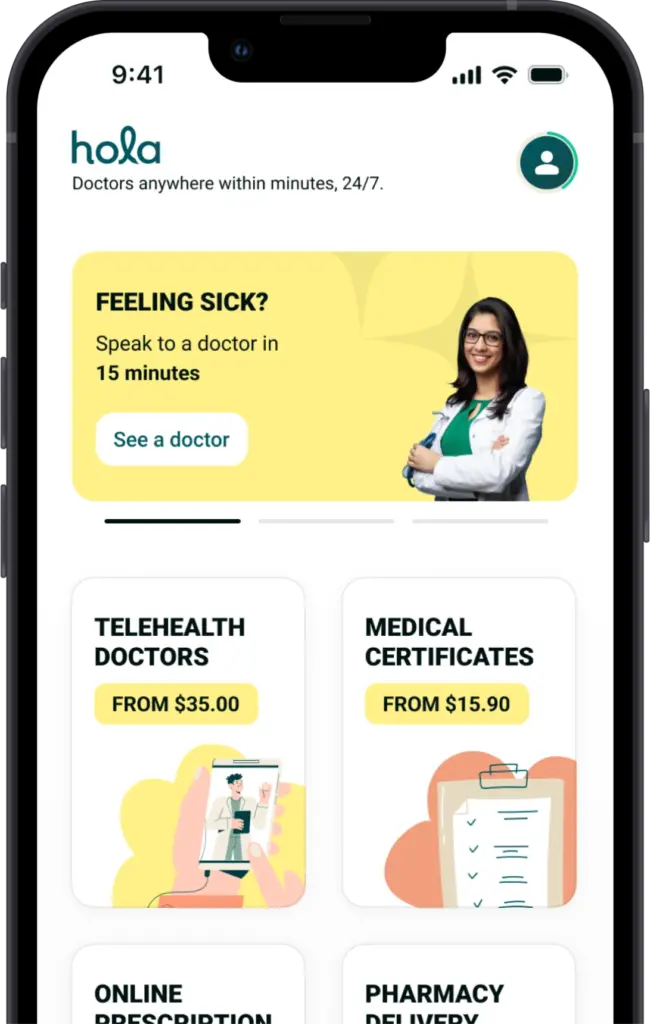
Download our Mobile App for better performance
- Consult a GP anytime you need to.
- Stay connected wherever you are.
- Experience healthcare, uninterrupted.
 Scan the QR Code to download the Hola app.