

- Home
- /
- Health Conditions
- /
- Whooping Cough
Whooping Cough
When to consult a doctor for whooping cough ?
If coughing is severe, persistent, or affects breathing
See a doctor urgently if you experience intense coughing fits that last for weeks, a “whooping” sound when breathing in, vomiting after coughing. Call 000 if any signs of breathing difficulty, including pauses in breathing or turning blue, especially in infants.
If symptoms last longer than two weeks or worsen
Consult a GP if a cough continues for more than two weeks, gets worse over time, or starts as a mild cold but does not improve, as early treatment can reduce complications and spread.
If you are at higher risk or have been exposed
Seek medical advice immediately if the person affected is a baby, young child, or pregnant woman, or if you have had close contact with someone diagnosed with whooping cough.
This guide does not replace professional care. Consult a doctor to manage your symptoms. In emergencies, call 000. The content is research-backed & medically reviewed by Dr. Ammar AL-ANI, MBChB, CCBST, AMC
Symptoms
Whooping cough (pertussis) often starts like a regular cold but quickly develops into more serious symptoms. Here’s what to watch for:
- Runny nose, sneezing, and mild fever in the early stages
- A persistent, dry cough that gets worse over time
- Severe coughing fits that can last several minutes
- A distinctive “whooping” sound when breathing in after a coughing spell (though not everyone gets this, especially adults and babies)
- Vomiting or exhaustion after coughing
- Breathing difficulties, turning blue, or pauses in breathing (particularly in babies)
- Coughing fits at night that disrupt sleep
Causes
- Caused by infection with the Bordetella pertussis bacteria, spread through coughs, sneezes, or close contact.
- Adults often catch it from unvaccinated children or other adults.
- Waning immunity, the whooping cough vaccine’s protection decreases over time if booster shots aren’t taken.
- Close contact with infected infants or school-aged kids increases risk.
Prevention tips
Whooping cough (pertussis) is highly contagious, but thankfully, it’s preventable with the right precautions. Here’s how:
- Vaccination: The most effective way to prevent whooping cough.
- Pregnancy booster: Pregnant women should get a whooping cough vaccine in every pregnancy to protect their newborn in those critical early months. Find out more from your GP regarding this.
- Booster shots for adults: Especially for parents, grandparents, and carers of young children.
- Avoid contact with infected individuals
- Good hygiene practices: Such as regular handwashing, covering your mouth when coughing or sneezing, and using hand sanitisers.
- Prompt treatment and isolation: If diagnosed, start medication early and avoid public places for at least 5 days after starting treatment to stop the spread.
Note: Whooping cough is a notifiable disease in Australia. If you or a family member is diagnosed, your doctor is required to notify your local health department. This helps track outbreaks and protect the community — particularly vulnerable infants.

What to expect with whooping cough
Understanding how symptoms progress can help you manage the illness better and know when to seek medical support.
- Early symptoms: Starts like a mild cold with a runny nose, sneezing, mild fever, and a dry cough.
- Worsening cough: After 1–2 weeks, the cough becomes more severe, with intense coughing fits.
- Whooping sound: A sharp “whoop” may occur when breathing in after a coughing spell, especially in children.
- Exhaustion and vomiting: Coughing episodes can leave you extremely tired and may cause vomiting.
- Sleep disruption: Night-time coughing can interfere with rest and recovery.
- Long recovery: In adults, the cough may last for several weeks or even months.
- Supportive care: Rest, staying well hydrated, and early medical treatment can help reduce symptoms and support recovery.
How telehealth can help
Hola Health provides a convenient way for you to consult a doctor online, 24/7 across Australia. Our AHPRA-registered Australian online GP will conduct a comprehensive assessment to provide the appropriate care.
Clinical note: An online GP assessment helps provide medical advice for your symptoms and evaluate if a face-to-face consultation or physical examination is needed. Online GPs can provide prescriptions, referrals or GP medical certificates if clinically indicated. Telehealth is a complementary service; a physical examination is required to assess lung sounds (auscultation) or acute respiratory distress. Consultations are secure, encrypted, and Australian-stored (in compliance with the Australian Privacy Principles). In case of difficulty breathing, coughing up blood, or blue lips, call 000 immediately. We recommend sharing your consult summaries with your regular GP to ensure continuity of care.

Frequently Asked Questions
What is Whooping Cough (Pertussis) ?
How long does the whooping cough vaccine last?
How can I stop whooping cough bouts at night?
Whooping cough bouts are often more severe at night. While there is no immediate way to stop the cough, certain steps may provide relief.
- Drinking fluids regularly
- Using a humidifier if appropriate
- Resting in a comfortable position
- Avoiding smoking and other airway irritants
If you experience severe, worsening, or life-threatening symptoms, such as breathing difficulties or loss of consciousness, call 000 immediately or attend your nearest Emergency Department (ED).
What does Whooping Cough sound like?
What are the three stages of Whooping Cough?
Whooping cough typically develops in three stages:
- Early stage (catarrhal stage): Symptoms resemble a typical cold, including a runny nose, slight cough, and fatigue.
- Coughing stage (paroxysmal stage): Severe coughing fits occur, sometimes accompanied by vomiting or a whooping sound.
- Recovery stage (convalescence stage): Coughing progressively improves but may last for many weeks.
If you suspect whooping cough, especially in babies, pregnant people or those at higher risk of complications, seek immediate medical advice.
Speak to our doctors 24/7
Helpful resources



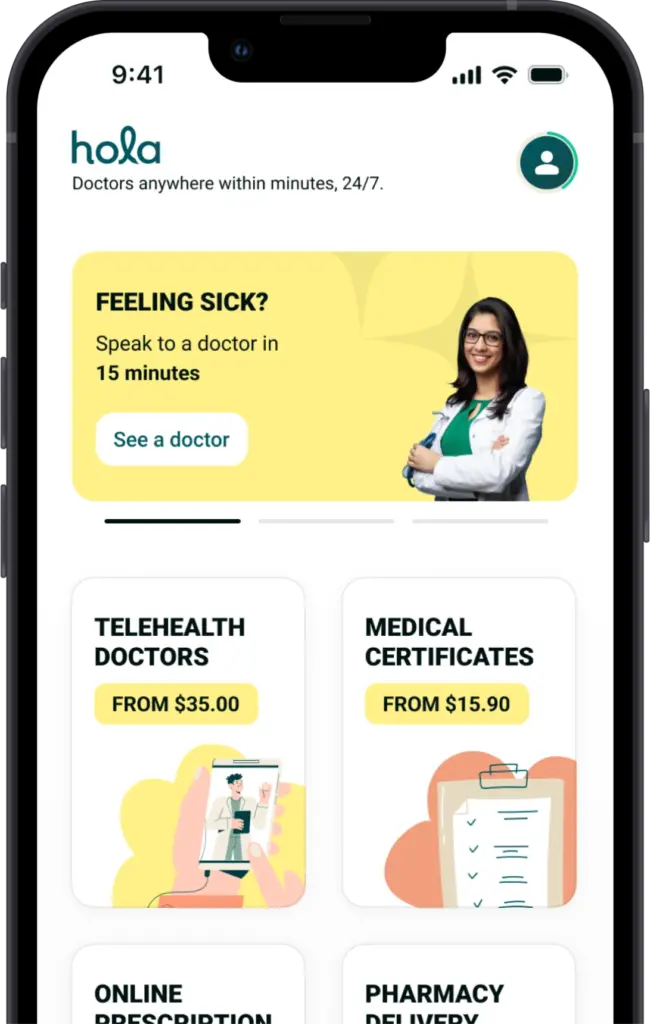
Download our Mobile App for better performance
- Consult a GP anytime you need to.
- Stay connected wherever you are.
- Experience healthcare, uninterrupted.
 Scan the QR Code to download the Hola app.