

How to Break a Fever in Adults? Management and Home Treatments

Contents
 Facebook
  X
X  Copy Link
Summarise with AI:
 ChatGpt
  Google AI Mode
  Perplexity
  Claude
 This blog is for educational purposes only and does not replace professional medical advice or diagnosis. If you have health concerns, consult an AHPRA-registered telehealth GP or request a medical certificate online if clinically appropriate.
Overview
The experience of waking up with heat and discomfort and body pain makes for an unpleasant day. Your body uses fever as a defense mechanism to fight off infections although it causes you discomfort. The following guide explains what a fever is and basic home management methods for adult patients. A fever, often an indication of the body's defensive reaction to infection or illness, can leave us grappling with uneasiness and restlessness. However, with the right approach, we can successfully manage a fever to foster healing and rejuvenate health. Let's delve into practical strategies for managing a fever without risk and with efficiency. Telehealth is a convenient option for appropriate healthcare needs and can complement in-person care. However, some conditions require a physical examination or in-person assessment.Consult an AHPRA-registered practitioner online, anytime
Consult NowAvailable 24/7 across Australia


What Is a Fever?
Your brain's hypothalamus functions as the internal body temperature control system. Your body increases its temperature when it detects an infection. The increased body temperature creates conditions that make it harder for pathogens to survive while your immune system performs its defense functions. A fever exists as a body response to infection rather than being an illness by itself because it indicates your body is fighting against an infection. When your body determines the existence of an infection or illness, it releases chemicals called pyrogens. These pyrogens signal to your brain's thermostat, known as the hypothalamus, to elevate your body's temperature. This rise in temperature helps your immune system operate more effectively by making it difficult for bacteria or viruses enabling the illness to survive. Fever is frequently associated with other symptoms like headache, sweating, chills, and body aches.A High Temperature Is Different To A Fever
Your body temperature functions as an internal temperature control system which maintains all your bodily systems in proper operation. The human body maintains a precise temperature range which supports all its operational functions and the typical body temperature is around 37°C. The normal body temperature exists as a range instead of a single fixed value. The body temperature shows natural variations between morning and late afternoon hours. Natural variations can also occur during menstrual cycles, after physical activity and after drinking hot beverages. Your body temperature rises above normal levels when your internal thermostat operates at elevated settings. Medical professionals identify fever through body temperature readings above 38°C.Temporary rise in temperature vs. a sustained fever caused by illness
Your body temperature increases briefly before it returns to its normal state. The situation requires medical attention if the person shows no signs of improvement while their fever persists.Causes of Fever
A fever is your body's way of creating an inhospitable environment for viruses and bacteria. It can be triggered by various factors, including:- Viral infections: such as the flu, COVID-19, or the common cold, gastroenteritis
- Bacterial infections: like strep throat, urinary tract infections (UTIs), or pneumonia
- Inflammatory conditions: such as rheumatoid arthritis or Crohn's disease, inflammatory bowel disease
- Immunisations or vaccinations
- Certain medications or management: like chemotherapy
- Others: fungal, parasitic (usually travel-related), tropical diseases (if you've travelled)
- Heat-related illness: heat exhaustion, heat stroke (Australia's climate makes this more relevant)
- Other causes: blood clots, food poisoning, reactions to medications
Do all fever cases result from infections?
The majority of fever cases stem from infections but other medical conditions can also trigger this symptom. The body experiences fevers because of infections but also can be a result of inflammatory diseases and certain medications and heat exposure.Does stress cause body temperatures to rise?
Yes, stress can lead to a temporary increase in body temperature. The body temperature increase from psychogenic fever remains mild and brief when someone experiences intense emotional or psychological stress.Symptoms
A fever exists as a single symptom which appears by itself. Your body experiences two main symptoms when you have a fever. Your body attempts to achieve its new temperature goal through chills and shivering. Your body uses fever to fight infections which results in body pain and headaches. Your body also uses sweating as a mechanism to lower its temperature after the thermostat returns to normal. And finally, your body requires rest and fluids because your immune system works at maximum capacity to fight infections.Common symptoms:
- Chills and shivering
- Feeling hot and sweating
- Headache
- Muscle or joint aches
- Feeling low or general fatigue
More severe symptoms:
- Dehydration
- Dizziness or light-headedness
- Nausea or vomiting
- Rash (especially sudden, spreading, or with bleeding)
- Confusion or drowsiness
- Chest pain
- Difficulty breathing
Temperature Ranges for Fever
The temperature ranges for fever might differ slightly depending on variables like age or individual health. However, the typical body temperature ranges that may indicate fever in adults are as follows:- Normal body temperature: around 36.5–37.5°C
- Low fever: 37.3–38.0°C
- Mild fever: 38.0–38.9°C
- Moderate fever: 38.1–39.0°C
- High fever: 39.0–41°C — time to consider seeing a doctor or medical practitioner
- Hyperthermia: 41°C
How to Manage a Fever at Home
If you're a generally healthy adult dealing with a mild fever, there are several effective home remedies you can try:- Stay hydrated: Drink plenty of fluids, such as water, broths, herbal teas, clear broths, or electrolyte-replacement therapy drinks. Dehydration can make a fever feel even worse.
- Take over-the-counter medication: Symptom management medications can help reduce fever and alleviate body aches and headaches. Follow the package's dosage instructions or seek advice from a healthcare professional, especially for children or those with pre-existing medical issues.
- Dress lightly: Wear lightweight, breathable clothing and avoid bundling up, which can trap body heat and raise your temperature. Choose lightweight, breathable clothing to help release body heat, and use a light sheet instead of heavy blankets.
- Take a lukewarm bath or shower: The cooling effect can help bring down a high fever gradually. Avoid cold water, as it can cause shivering and raise your body temperature.
- Use a cool compress: Apply a damp, cool (not cold) cloth to your forehead, neck, wrists, ankles, or armpits to help lower your body temperature. Use a fan to circulate air or keep the room temperature comfortable.
- Get plenty of rest: Your body needs energy to fight off the infection, so take it easy and avoid strenuous activities.
- Avoid alcohol and caffeine: When attempting to manage a fever, caffeine and alcoholic beverages should be avoided since they might cause dehydration.
- Herbal remedies: Certain plants including peppermint, elderflower, ginger, and chamomile, are thought to have fever-reducing qualities. These substances can be found in herbal teas or pills that may help reduce fever symptoms. If you have underlying medical concerns, you should speak with your doctor before utilising herbal therapies.
- Nutritious diet: Consuming a well-balanced diet full of whole grains, lean meats, fruits, and vegetables can help boost immunity and speed up the healing process after sickness. Steer clear of heavy or oily foods since they might be more difficult to digest and aggravate fever-related nausea or discomfort. Eat light meals that are easy to digest.
- Maintain good hygiene: Washing your hands with soap and water regularly will help stop the transmission of illnesses that can lead to fever. When you sneeze or cough, cover your mouth and nose with your elbow or a tissue to avoid the transmission of germs.
- Monitor your fever: Check your temperature regularly to ensure it doesn't rise too high or persist for too long. Seek medical assistance if the temperature worsens or stays high (usually above 103°F or 39.4°C in adults), or if you have severe symptoms like breathing problems, chest discomfort, or frequent vomiting.
- Keep the environment calm and comfortable.
What to Avoid
While home remedies can be helpful, there are a few things you'll want to steer clear of:- Alcohol: It can dehydrate you and interfere with your body's ability to regulate temperature.
- Aspirin: It can increase the risk of complications like Reye's syndrome in certain viral illnesses. The administration of aspirin to children under 12 years old requires direct medical authorisation from their doctor due to risk of serious side effects.
- Bundling up: Trapping body heat can raise your fever even higher.
Prevention Tips
Most fevers develop from infections so maintaining proper hygiene stands as your main protection against them. You should wash your hands multiple times throughout the day using soap and water or hand sanitiser. You should prevent yourself from using items that belong to someone who shows signs of illness. Maintain your vaccination schedule by following all recommended shots including the annual flu vaccine.What Signs Indicate Heat Exhaustion Instead of a Fever?
The situation requires understanding of all circumstances. The body temperature of someone with heat exhaustion will decrease after receiving cooling management while their skin remains wet to the touch. The body temperature of someone with a fever caused by illness will rise regardless of outside weather conditions while they experience body aches and chills.When to Consult a doctor?
In most cases, a mild fever in an otherwise healthy adult is nothing to worry about. However, there are certain situations where you should seek medical attention. Trust your instincts – if something doesn't seem right, it's always better to be safe than sorry.Warning signs in adults
See a doctor if the fever is:- Above 39°C (or about 102.2°F)
- Fever over 39.4°C
- Lasting more than 3 days, despite home care
- Signs of dehydration: like dry mouth, dizziness, or dark urine
- Difficulty breathing or chest pain
- Accompanied by chest pain, shortness of breath, or difficulty breathing
- Severe headache or stiff neck or sensitivity to light
- With confusion, a severe headache, or a strange rash
- Rash or other concerning symptoms
- In someone with a weakened immune system, chronic illness, or who has just been out of the hospital
When to consult for children and adults
For children, consult a doctor if an infant under 3 months has a rectal temperature of 38°C or higher, or if a child between 3 months and 3 years has a temperature of 38.9°C or higher. Seek medical management for children over three years old if fever lasts more than 72 hours, worsens, or if symptoms such as dehydration, trouble breathing, severe headache, or rash appear. Adults should consult a doctor if they have a fever above 38°C, especially if it is persistent for more than three days. If you happen to experience severe symptoms like trouble breathing, chest discomfort, disorientation, a severe headache with neck stiffness, a rash that doesn't blanch, or continuous vomiting, it is advisable to consult a doctor immediately. The online doctor or medical practitioner should be contacted when the fever lasts for more than three days or when you need to discuss particular symptoms that affect young children or elderly patients or people with ongoing medical conditions.When to See a doctor vs When to Go to the Hospital in Australia
Determining whether a fever is harmless or requires medical attention can be challenging. Here's how to tell.| When to See a GP (or Book a Telehealth Consult) | When to Go to the Hospital or Call 000 |
| Your fever is above 39°C and isn't coming down with proper medicines | You have severe chest pain or trouble breathing |
| Your fever lasts more than 3 days, even with rest and care | You're feeling confused or disoriented |
| You have mild to moderate symptoms like body aches, chills, or nausea, but you're still alert and able to eat and drink | You have a headache and are sensitive to light |
| You have a chronic condition (e.g. asthma) or are on medication that lowers immunity | You've had a seizure or your muscles are shaking involuntarily |
| You've recently travelled and now have a fever | You see blood in urine, stool, or vomit |
| You're unsure and want to check with a doctor | You're vomiting constantly, unable to keep anything down, or dehydrated |
| A GP (in person or online) can give advice, prescribe medications, and help decide if you need further care. | Your condition is deteriorating quickly, even if it started mildly. |
| If unsure and it feels urgent, call 000 or go to the nearest emergency department. |
Random Fever: Should I Go to the Emergency Department?
A sudden fever without obvious symptoms can be worrying, especially after travel. While most fevers settle with rest, hydration, and medication, it's important to know when to seek medical care. Adults should head to the ED if the fever exceeds 40°C or is paired with severe symptoms, while children under 3 months need urgent care for any fever. For mild or unclear cases, a telehealth online doctor or medical practitioner consult is a smart first step. A fever is the body's natural response to infection or inflammation. If you experience a sudden fever, consider these initial steps:- Rest and stay hydrated.
- Take doctor consult medicine.
- Monitor your temperature regularly.
- Observe for additional symptoms such as chills, sweating, rash, or breathing difficulties.
When to seek immediate medical attention for a fever
You should seek emergency care if you or someone else experiences:- A fever above 40°C (104°F).
- Severe headache, confusion, or difficulty staying awake.
- Shortness of breath or chest pain.
- Seizures.
- Stiff neck and sensitivity to light (possible meningitis).
- Persistent vomiting or inability to keep fluids down.
- Signs of dehydration, such as dizziness, confusion, or reduced urination.
- Fever accompanied by a non-blanching rash (possible meningococcal infection).
At what point should you go to the ED for a fever?
For most adults, a fever alone is not an immediate emergency. However, if it lasts more than three days, is extremely high, or is accompanied by severe symptoms, you should go to the emergency department. Adults should go to the hospital for a fever if they experience:- A fever over 40°C.
- Severe headaches, confusion, or seizures.
- Difficulty breathing or chest pain.
- Persistent fever lasting more than three days without improvement.
- A weakened immune system (e.g., due to chemotherapy).
How long is too long to have a fever?
A fever that lasts longer than three days without improvement or recurs frequently may indicate an underlying condition that requires medical evaluation.When to take a child to the hospital for a fever in Australia
For children, fever management depends on their age:- Under 3 months: Any fever above 38°C requires immediate medical attention.
- 3-6 months: A fever over 38.5°C, especially with other symptoms, should prompt a doctor visit.
- Over 6 months: Seek medical help if the fever exceeds 39°C, lasts more than 48 hours, or is accompanied by concerning symptoms.
- The child is under 3 months old with any fever.
- They have a fever above 39°C and seem lethargic or irritable.
- There is difficulty breathing, persistent vomiting, or signs of dehydration.
- A rash, seizure, or unresponsiveness occurs.
What can cause a fever with no other symptoms?
A fever without other symptoms may be caused by:- Viral infections (e.g., flu, COVID-19)
- Bacterial infections (e.g., urinary tract infections, pneumonia).
- Autoimmune conditions (e.g., lupus or rheumatoid arthritis).
- Heat-related illnesses (e.g., heatstroke).
- Certain medications or vaccinations.
Should I first consult a doctor or medical practitioner?
For non-emergency cases, consulting a doctor or medical practitioner is a good first step. A doctor can assess your symptoms, recommend management, and determine if further testing is needed.Is Telehealth a Good Option for Managing Fever in Adults?
Yes, Telehealth is a convenient option for managing mild to moderate symptoms when an in-person physical examination is not required. With Hola Health, you can:- Consult a online doctor or medical practitioner without leaving home
- Get straightforward advice on fever care and when to seek further medical help
- Access a consultation to discuss symptom management. If clinically appropriate, an eScript may be issued during your review.
- If symptoms are severe, they can help you identify when hospitalisation might be necessary
Talking to a doctor online – questions to ask
If you're consulting a telehealth doctor, consider asking:- What could be causing my fever?
- Should I take medication to lower the fever?
- Do I need further tests, such as blood work or imaging?
- Are there warning signs I should watch for?
- Should I be worried about any specific illnesses based on my symptoms?
How Hola Health Can Help
A fever can be worrying — especially when symptoms escalate or don't improve with home care. Hola Health makes it easy to get medical support quickly, without sitting in a clinic or waiting for an appointment. Here's how our Australian-registered online doctors can help:- Telehealth consultations: Speak with a doctor or medical practitioner online within few minutes to understand whether your fever is caused by a viral illness, bacterial infection, medication reaction, or another condition.
- Personalised management advice: Your doctor will assess your symptoms, guide you on safe home care, and advise whether you need medication, rest, testing, or further investigation.
- Online prescriptions when appropriate: If your fever is linked to a bacterial infection or requires symptom-management medications, your doctor or medical practitioner can issue an instant eScript.
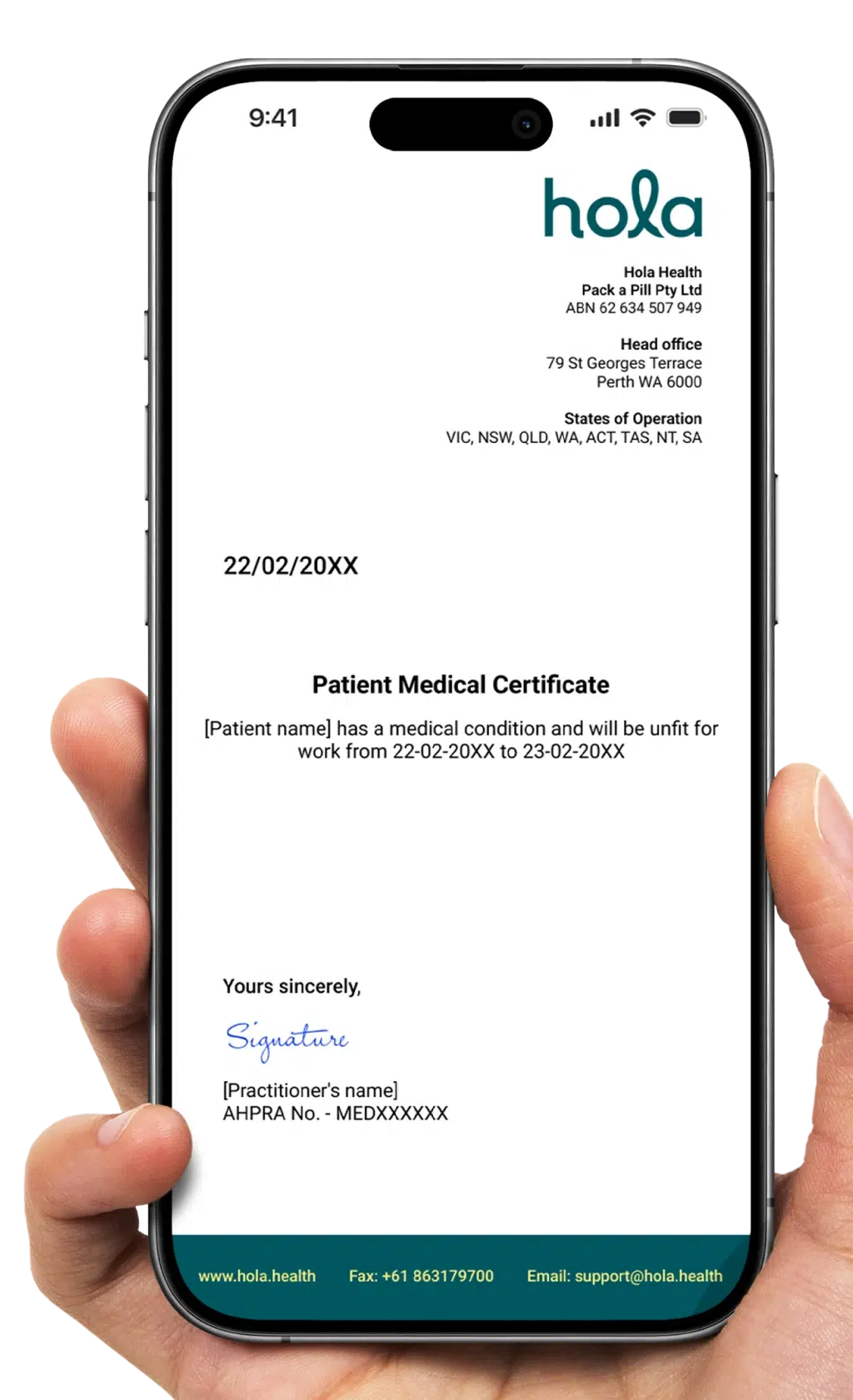
- Online Medical certificates : If your fever is affecting your ability to attend work or university, Hola Health can provide a same-day online medical certificate.
- Referrals for further testing: If blood tests, imaging, or specialist review are needed, our doctors can arrange referrals to pathology, radiology, or specialists.
- Support for high-risk individuals: People with chronic conditions, pregnancy, or weakened immunity often need earlier intervention. Hola Health online doctor or medical practitioner can help you decide the safest next steps.
- 24/7 General medical advice via telehealth doctor consult — talk through symptoms or health concerns with a registered doctor or medical practitioner.
Conclusion
Most fevers aren't dangerous, but it's important to know when to seek help. Telehealth provides convenient way to access medical advice without the need to leave home. The content of this blog is for informational purposes only and does not replace professional medical diagnosis, advice, or treatment.FAQ
What temperature is considered a high fever in adults?
Adults with fevers above 38.5°C are considered to have high-grade fever. Normal body temperature ranges between 36.5°C and 37.5°C. A high fever in adults is generally 39°C or higher. At this point, you should consider speaking with a doctor or medical practitioner, especially if it doesn't respond to appropriate over-the-counter options, or if other symptoms like dizziness or weakness appear.How long does a fever usually last?
The duration of a typical viral fever in adults usually spans from two to three days. When your fever extends beyond three days you should visit a doctor for medical evaluation.Should I take medication for a mild fever?
You should avoid taking medication for managing a mild fever. Your body uses fever as a natural defense mechanism to fight infections. Rest and hydration should be your first priority when dealing with a fever. You can use symptom management medications to relieve severe discomfort when necessary.Can dehydration cause fever?
A fever does not result from dehydration but dehydration can occur as a side effect of having a fever which will worsen your symptoms. You need to drink enough fluids to stay hydrated.When should I see a doctor for a fever?
You should visit a doctor when your fever reaches dangerous levels or when it persists for an extended period. Seek immediate medical help when your fever reaches dangerous levels or when it persists for an extended period. You should see a doctor if your fever is above 39°C, lasts more than 3 days, or comes with symptoms like chest pain, breathing difficulty, confusion, or rash. A doctor or medical practitioner —either in person or via telehealth—can assess your condition and advise whether further tests or hospital care are needed.What temperature range is considered dangerous for adult patients?
A doctor needs to evaluate patients who maintain body temperatures above 39.4°C for an extended period. The number of symptoms including confusion and breathing difficulties becomes more important than the actual temperature reading.When Does a High Temperature Become Dangerous?
A temperature exceeding 40°C is considered dangerous for most adults. At this point, the risk of complications increases and if someone's temperature reaches this level, it's crucial to seek medical attention immediately. Prolonged high temperatures can lead to dehydration, hallucinations, confusion, and in severe cases, organ failure.Can I manage a fever at home?
Yes, mild fevers can usually be managed at home with rest, hydration, proper medicine. Eat light meals, avoid overexertion, and keep your environment cool. However, if your condition worsens or you develop severe symptoms, seek medical help immediately.Is telehealth a safe option for fever management?
Yes. Telehealth consultations are a convenient and safe option for managing fever when symptoms are mild or moderate. Services like Hola Health let you consult a doctor or medical practitioner online, get medical advice, and even receive an eScript for medication—all without visiting a clinic.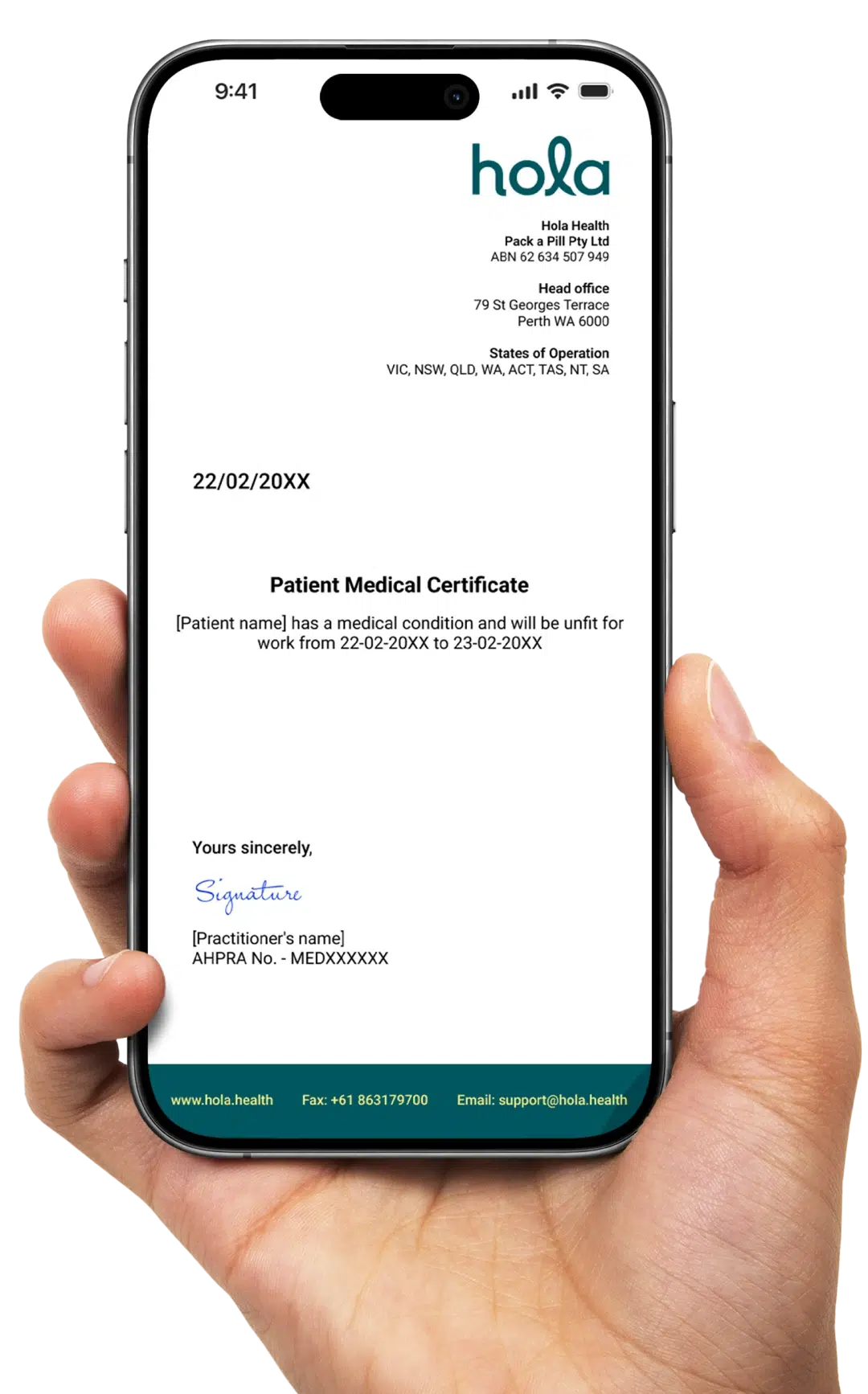
See a Aussie GP online, available 24/7
Download the app today.


Related Articles



Disclaimer
This blog is for general informational purposes only and does not indicate that Hola Health provides all treatments or preventive measures mentioned. It is not intended to be a substitute for professional medical advice. Always seek the guidance of your doctor or other qualified health professional with any questions you may have regarding your health or a medical condition. For emergencies please immediately contact 000. Any medical topics discussed are intended to educate, not to imply availability through Hola Health. Hola Health's telehealth services facilitate access to AHPRA-registered healthcare professionals in Australia; however, a telehealth consultation is not equivalent to an in-person medical examination. Telehealth may not be appropriate for all conditions, symptoms, or circumstances.