

- Home
- /
- Health Conditions
- /
- Fatigue
Fatigue
When to consult a doctor for fatigue ?
If fatigue is persistent or affects daily life
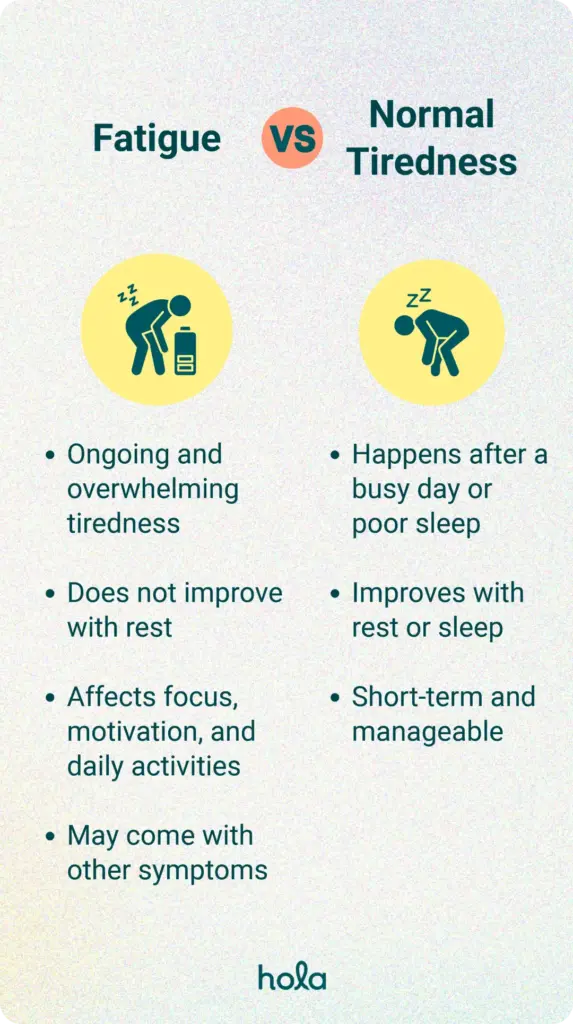
See a doctor if your tiredness lasts longer than two weeks or starts interfering with work, daily tasks, or concentration.
If fatigue is linked to mental or physical health conditions
Consult a GP if you have chronic illness, depression, anxiety, or ongoing stress and fatigue is becoming more frequent or severe.
If fatigue worsens or does not improve with self-care
Seek medical advice if adequate rest, sleep, and lifestyle changes do not help, or if your symptoms continue to get worse over time.
This guide does not replace professional care. Consult a doctor to manage your symptoms. In emergencies, call 000. The content is research-backed & medically reviewed by Dr. Ammar AL-ANI, MBChB, CCBST, AMC
Causes
Here are some common causes of fatigue:
- Lack of sleep, insomnia or sleep apnoea
- Physical exertion or inadequate recovery time after overexertion
- Emotional and mental stress
- Poor nutrition and vitamin deficiencies
- Dehydration
- Chronic illnesses such as diabetes, heart disease, thyroid disorders, and chronic fatigue syndrome
- Certain medications, including antihistamines, antidepressants, and blood pressure medications
- Excessive consumption of alcohol or caffeine
- Sedentary lifestyle
- Conditions like depression and anxiety
- Physical conditions such as anaemia, viral infections, fevers, etc.
Symptoms
Fatigue can have physical, emotional, and mental symptoms. It can lead to many issues in daily life, work, or relationships. Most people suffering from fatigue experience at least a few of the symptoms below:
- Constant exhaustion: A constant feeling of lack of energy, even after adequate rest.
- Trouble concentrating: Difficulty focusing, or remembering things, often described as “brain fog.”
- Irritability: Feelings of frustration and irritability even during the slightest change in the situation
- Lack of motivation: No interest in activities or tasks that once brought joy
- Sleep disturbances: Difficulty falling asleep, staying asleep, or experiencing unrefreshing sleep
- Muscle weakness: Reduced strength, making physical tasks feel more challenging.
- Headaches: Frequent headaches or migraines which are often linked to tension or stress.
- Changes in appetite: Either overeating or loss of appetite.
- Mood changes: Increased feelings of anxiety or depression
- Physical symptoms: Body aches, joint pain, gastrointestinal issues and a general feeling of illness
Prevention tips
Restores energy levels: Prioritising quality sleep and regular rest helps the body recover and reduces ongoing exhaustion.
Supports physical health: Eating a balanced diet, staying hydrated, and engaging in light to moderate physical activity can improve stamina and reduce fatigue.
Reduces stress: Self-care practices such as mindfulness, meditation, yoga, or deep breathing help lower stress, a common cause of persistent tiredness.
Improves mental well-being: Taking time for self-care can improve focus, mood, and emotional resilience, helping prevent burnout-related fatigue.
Prevents long-term exhaustion: Regular self-care, especially for professionals under daily stress, helps stop fatigue from becoming chronic.
Hola Health provides a convenient way to consult an AHPRA-registered doctor online, 24/7 across Australia.
Clinical note: A telehealth assessment can help evaluate fatigue symptoms, arrange pathology referrals (including full blood count, thyroid function, iron studies, B12, vitamin D, and glucose), and provide lifestyle advice and prescriptions if clinically indicated. Telehealth is a complementary service — fatigue with physical signs (pallor, lymphadenopathy, cardiac or respiratory abnormalities) requires in-person physical examination and investigation. Fatigue that is rapidly worsening, accompanied by significant weight loss, or associated with chest or neurological symptoms should be assessed in person promptly. Consultations are secure, encrypted, and Australian-stored in compliance with the Australian Privacy Principles. If fatigue is accompanied by chest pain, sudden weakness, collapse, or thoughts of self-harm, call 000 or attend an Emergency Department immediately. We recommend sharing your consult summaries with your regular GP to ensure continuity of care.
When to seek emergency care
Call 000 or attend your nearest Emergency Department immediately if fatigue is accompanied by:
- Chest pain, pressure, or shortness of breath at rest — may indicate a cardiac emergency
- Sudden severe weakness or inability to move limbs — may indicate stroke or serious neurological event
- Collapse or loss of consciousness
- High fever with extreme weakness or confusion — may indicate sepsis
- Severe unexplained weight loss alongside rapidly worsening fatigue — requires urgent in-person investigation
- Thoughts of self-harm or suicide — contact Lifeline on 13 11 14 (24/7) or call 000 immediately
Do not book a telehealth consultation for these presentations.
A Hola Health telehealth consultation for fatigue is appropriate for persistent tiredness without emergency symptoms, investigation referrals (blood tests, sleep studies), lifestyle and dietary advice, and management of known chronic conditions. If you are unsure whether your symptoms require emergency care, call 000 — it is always safer to seek immediate help than to delay.

Frequently Asked Questions
Why am I constantly tired and fatigued?
Constant tiredness can have several causes. Common causes include poor sleep, depression, anxiety, stress, dehydration, poor nutrition, lack of exercise, and some medications. Medical conditions such as diabetes, thyroid disease, iron deficiency, sleep apnoea, and infections can also cause fatigue. If fatigue continues for several weeks, consult your doctor or medical practitioner for an assessment.
When should I be concerned about fatigue?
Consult a doctor if fatigue lasts longer than two weeks, gets worse, does not improve with rest, or is accompanied by other symptoms. Warning signs include fever, chest pain, unexplained weight loss, severe headache, or shortness of breath. You should always have a doctor assess sudden, severe fatigue.
Note: If you experience severe, worsening, or life-threatening symptoms, such as chest pain or breathing difficulties, call 000 immediately or attend your nearest Emergency Department (ED).
Can stress and anxiety cause fatigue?
Can vitamin deficiencies cause fatigue?
How long does fatigue usually last?
How can I improve fatigue naturally?
How can I reduce fatigue quickly?
Speak to our doctors 24/7
Providing consults for
Helpful resources




Download our Mobile App for better performance
- Consult a GP anytime you need to.
- Stay connected wherever you are.
- Experience healthcare, uninterrupted.
 Scan the QR Code to download the Hola app.