

Contents
Acute stress disorder vs adjustment disorder: Signs & treatment

 ChatGpt
  Google AI Mode
  Perplexity
  Claude
 This blog is for educational purposes only and does not replace professional medical advice or diagnosis. If you have health concerns, consult an AHPRA-registered telehealth doctor or request a medical certificate online if clinically appropriate. Please note: Hola Health does not currently offer Mental Health Care Plans.
Acute Stress Disorder: Symptoms, Causes & Differences From PTSD and Adjustment Disorder
Summary: Acute Stress Disorder (ASD) and Adjustment Disorder (AD) are both stress-related mental health conditions, but they differ in cause, symptoms, and duration. AD arises from major life changes or ongoing stress, leading to emotional distress, anxiety, and social withdrawal. ASD, on the other hand, results from traumatic events and includes severe fear, flashbacks, and dissociation. Treatment varies, with AD benefiting from therapy, support groups, and lifestyle changes, while ASD often requires trauma-focused therapy and crisis intervention.
What is acute stress disorder?
Acute Stress Disorder (ASD) is a mental health condition that may arise after experiencing or witnessing a traumatic event. It usually develops within three days to four weeks after the trauma and is marked by symptoms such as emotional detachment, mood swings, intrusive memories, and difficulty sleeping. These reactions are the body’s natural response to stress, but when they continue or disrupt daily functioning, they may indicate ASD. While the symptoms can be intense, they often get better with proper support and treatment, like therapy, before possibly evolving into a more chronic condition known as Post-Traumatic Stress Disorder (PTSD).
See an AHPRA-registered doctor online, anytime
24/7 across Australia
Acute Stress Disorder (ASD) is the brain’s way of triggering a “panic response” following a traumatic experience. It’s the intense surge of thoughts, emotions, and reactions that may surface shortly after a traumatic event—often within a few days to a few weeks. While it may seem like your mind and body are overwhelmed, it’s your brain’s way of trying to process the turmoil. Though like Post-Traumatic Stress Disorder (PTSD), ASD is short-lived and can usually improve with the right care. However, it may persist without support, leading to more severe difficulties over time.
What is an example of an acute stress disorder?
An example of Acute Stress Disorder could be a person who witnesses a car crash and undergoes intense emotional reactions like intrusive memories, nightmares about the crash, heightened anxiety, worry, and difficulty sleeping within the days or weeks after the event. These symptoms may interfere with their daily life, making it hard for them to focus on work or interact with others, but with proper treatment, they may get better over time.
How common is ASD?
Acute Stress Disorder is relatively common, typically among individuals who have experienced traumatic events. According to the U.S. Department of Veterans Affairs1, approximately 6% to 33% of individuals who experience a traumatic event develop ASD. The occurrence can differ depending on the type and severity of the trauma. For example, individuals who experience violent events, natural disasters, or serious accidents, may be at a higher risk of developing ASD. However, not everyone who faces trauma will develop ASD, and many people may experience some symptoms of stress without meeting the full criteria for the disorder. Early intervention and support can significantly lower the chances of ASD progressing into Post-Traumatic Stress Disorder (PTSD).
Symptoms and causes
Symptoms of ASD:
- **Intrusive thoughts or flashbacks of the traumatic event
- Recurring nightmares
- Disturbed sleep
- Irritability
- Difficulty concentrating
- Feeling numb or detached
- Avoidance
- Negative mood
- Heightened anxiety
- Reckless or aggressive behaviour
- Palpitations
- Memory loss
Causes of ASD:
The primary cause of ASD is encountering a traumatic or life-threatening situation. These events may vary widely, but common causes include:
- Accidents or other unexpected dangerous events
- Natural disasters like earthquakes, wildfires, or floods
- Violence such as domestic violence or physical assault
- Death of a loved one
- Life-threatening illnesses or severe injuries
The risk of developing ASD can be affected by factors such as previous mental health conditions, the severity of the traumatic event, the individual’s support network, and their ability to manage and deal with stress. People with limited social support or a history of trauma may be more susceptible to developing ASD.
What’s the difference between adjustment and acute stress disorders?
Adjustment Disorder and Acute Stress Disorder (ASD) both encompass emotional and psychological reactions to stressful situations. Adjustment Disorder is usually prompted by significant life alterations or persistent stress, whereas ASD is a response to intense trauma. Recognising their distinctions can aid in identifying symptoms and obtaining the necessary support.
| Aspect | Adjustment Disorder | Acute Stress Disorder (ASD) |
| Definition | Emotional or behavioural difficulties triggered by a specific stressor. Symptoms arise within three months of the event and are more intense than expected. | A severe stress reaction following exposure to a traumatic event (accident, assault, disaster). Symptoms begin within three days and persist for up to one month after the trauma. |
| Causes | Major life transitions or challenges (divorce, job loss, relocation, financial strain). Ongoing stressors (chronic illness, family disputes). | Direct or indirect exposure to trauma (witnessing or experiencing a life-threatening situation). Shares similarities with PTSD but has a shorter duration. |
| Symptoms | Feelings of sadness, hopelessness, excessive worry, or anxiety. Trouble focusing, social withdrawal, or disruptions in sleep and appetite. Emotional distress that significantly impacts daily activities. | Recurrent distressing memories, nightmares, or flashbacks related to the trauma. Feelings of detachment, emotional numbness, or heightened alertness. Avoidance of reminders associated with the traumatic event. |
| Type of Stressor | Can be caused by any significant life stress, even if it is not life-threatening. Includes common challenges like work stress, academic pressure, or relationship conflicts. | Always linked to trauma, such as physical violence, accidents, or natural disasters. The stressor must be severe and perceived as life-threatening. |
Difference in symptoms
Adjustment Disorder and Acute Stress Disorder (ASD) both involve emotional turmoil; however, they differ in terms of severity and symptom characteristics.
Symptoms of Adjustment Disorder include:
- Emotional symptoms: Ongoing sadness, anxiety, excessive worries, feelings of despair, and fluctuating moods.
- Cognitive symptoms: Trouble focusing, intrusive thoughts related to the stressor, and negative self-image.
- Behavioural symptoms: Withdrawal from social interactions, avoidance of stress-inducing situations, and changes in sleep or eating patterns.
Symptoms of Acute Stress Disorder consist of:
- Emotional symptoms include severe fear, terror, emotional numbing, abrupt mood changes, and a sense of disconnection.
- Cognitive symptoms: Flashbacks, unwanted memories, confusion, disorientation, and experiences of dissociation (feeling separated from oneself).
- Behavioural symptoms include avoidance of anything linked to the trauma, hyperawareness (constantly feeling alert), and exaggerated startle reflexes.
What is the difference between PTSD and stress disorder?
Post-Traumatic Stress Disorder (PTSD) and Acute Stress Disorder (ASD) are mental health issues that arise after experiencing traumatic events. Although they exhibit comparable symptoms, the main distinction is the length of time these symptoms persist. Gaining insight into these conditions is crucial for accurate diagnosis and appropriate treatment.
| Aspect | Post-Traumatic Stress Disorder (PTSD) | Acute Stress Disorder (ASD) |
| Meaning | A mental health disorder that arises following the experience or observation of life-threatening trauma. Symptoms persist for over a month and can endure for many years. | A response to traumatic stress that manifests right after a distressing event. Symptoms range from 3 days to 1 month in duration. |
| Causes and Symptoms | Originates from trauma exposure (for instance, accidents, violence, warfare, or assault). Indicators include flashbacks, nightmares, heightened alertness, dissociative symptoms, and efforts to avoid reminders. Emotional detachment, irritability, and challenges in trusting others. | Caused by trauma exposure, akin to PTSD (such as witnessing or undergoing violence). Signs involve intrusive thoughts, dissociation, irritability, and anxiety. Symptoms can also lead to avoidance of triggers and trouble sleeping. |
| Treatment and Diagnosis | Diagnosis: Symptoms need to persist for over a month and result in significant distress. Treatment: Involves trauma-focused therapies like Cognitive Processing Therapy (CPT), Eye Movement Desensitisation and Reprocessing (EMDR), and exposure therapy. Medication alternatives include SSRIs (Selective Serotonin Reuptake Inhibitors) to address depression or anxiety. | Diagnosis: Symptoms appear within 3 days to 1 month after the trauma. Treatment: Includes early intervention through Cognitive Behavioural Therapy (CBT), relaxation techniques, and crisis management. Medication might be prescribed in certain instances to alleviate anxiety or sleep disturbances. |
What is the difference between PTSD, acute stress disorder, and adjustment disorder?
Post-Traumatic Stress Disorder (PTSD), Acute Stress Disorder (ASD), and Adjustment Disorder (AD) are all mental health conditions related to stress, but vary in their triggers, duration of symptoms, and levels of severity.
- PTSD arises after severe trauma (accidents, violence) and its symptoms can last for more than a month. These symptoms may include flashbacks, nightmares, emotional numbness, and hypervigilance. If untreated, PTSD can lead to significant long-term impairment.
- Acute Stress Disorder occurs within 3 days to 1 month after trauma. It shares several symptoms with PTSD, such as intrusive memories and dissociation. However, its shorter duration means it can only be diagnosed as PTSD if symptoms extend beyond a month.
- Adjustment Disorder is a reaction to major life stressors (divorce, job loss, work stress) that results in emotional or behavioural symptoms, yet it is less severe than PTSD and typically lasts no longer than 6 months. Symptoms may encompass anxiety, depression, or challenges in adapting to changes, though they are not as intense as those in PTSD or ASD.
Diagnosis and tests
The diagnosis of acute stress disorder (ASD) requires a clinical interview conducted by a mental health professional. During this assessment, the professional evaluates the individual’s symptoms and traumatic history. Standardised diagnostic tools are employed, and the criteria outlined in the DSM-5- TR are referenced. These criteria stipulate that symptoms must manifest within a timeframe of three days to four weeks following the traumatic event. Furthermore, the clinician will eliminate the possibility of other conditions, such as post-traumatic stress disorder or anxiety disorders, during the diagnostic process. In certain instances, a physical examination may be performed to rule out any medical causes. The diagnosis ultimately relies on the identification of specific symptoms, which include dissociation, intrusive thoughts, and hyperarousal.
Treatment
Though both Adjustment Disorder (AD) and Acute Stress Disorder (ASD) need psychological assistance, their treatment methods differ according to how severe and long-lasting the symptoms are:
For Adjustment Disorder, treatments include:
- Psychotherapy (talk therapy): Cognitive Behavioural Therapy (CBT) assists individuals in altering negative thoughts and forming coping mechanisms.
- Support groups: Participating in group therapy or peer support circles offers emotional affirmation.
- Lifestyle adjustments: Regular physical activity, relaxation practices (such as meditation and yoga), and fostering social interactions can enhance resilience.
- Medications (if necessary): Temporary use of antidepressants or anti-anxiety drugs may be recommended for severe symptoms.
For Acute Stress Disorder, treatment options encompass:
- Trauma-focused therapy: Cognitive Processing Therapy (CPT) and Exposure Therapy aid individuals in processing and reframing traumatic memories.
- Crisis intervention: Immediate psychological support can prevent the development of PTSD.
- Relaxation and stress management: Techniques such as deep breathing, mindfulness, and grounding can help alleviate anxiety and feelings of dissociation.
- Medications (if necessary): Brief use of selective serotonin reuptake inhibitors (SSRIs) or sleep remedies may be advised for significant distress or sleep difficulties.
Management and treatment
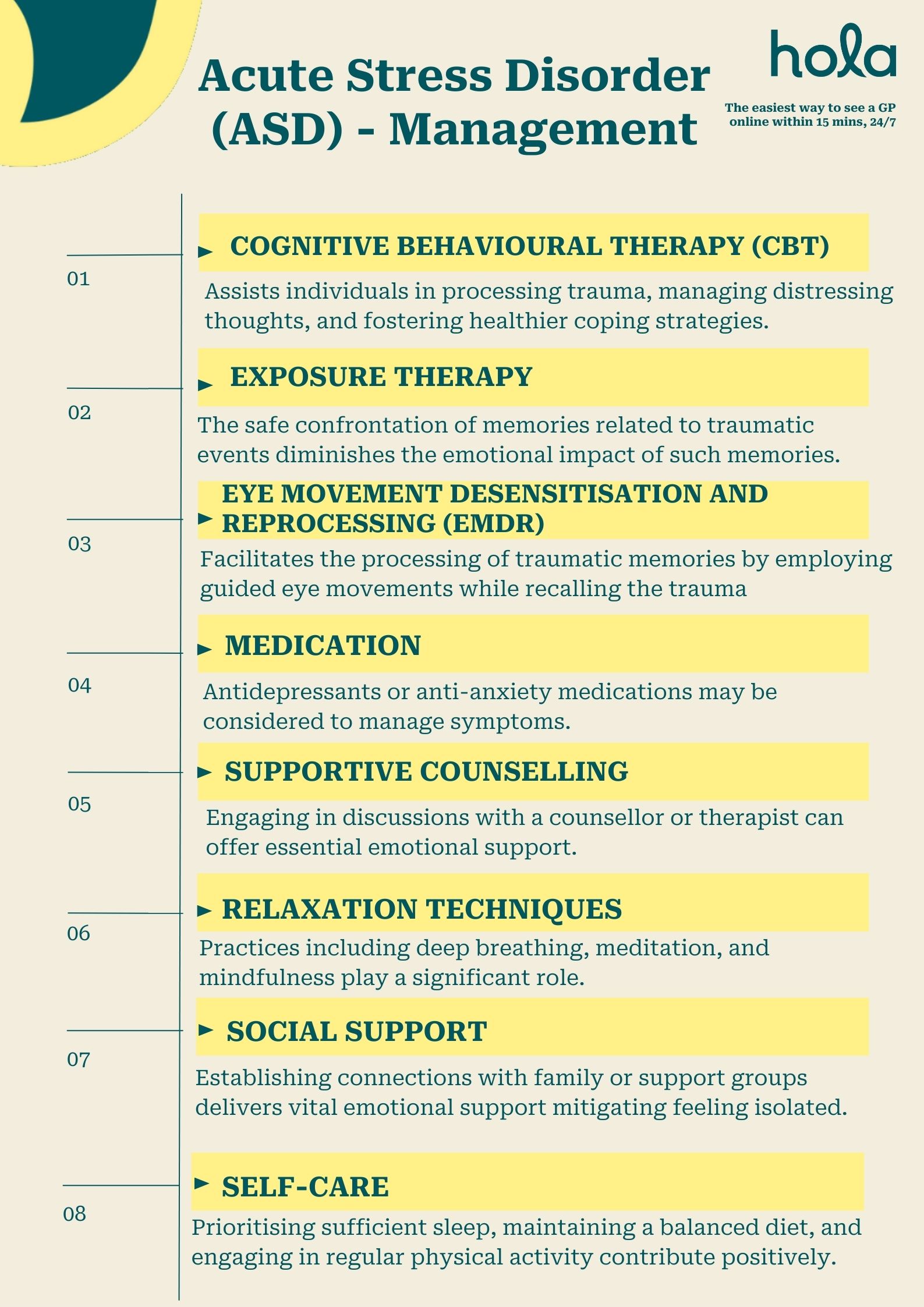
Management and treatment of acute stress disorder (ASD) focus on reducing symptoms and preventing the development of post-traumatic stress disorder (PTSD). Key approaches include:
- Cognitive behavioural therapy (CBT): Cognitive behavioural therapy represents one of the most effective treatment modalities available. It assists individuals in processing trauma, managing distressing thoughts, and fostering the development of healthier coping strategies.
- Exposure therapy: As a specific application of cognitive behavioural therapy, exposure therapy encompasses the safe confrontation of memories related to traumatic events. This approach aims to diminish the emotional impact of such memories.
- Eye movement desensitisation and reprocessing (EMDR): Eye movement desensitisation and reprocessing facilitates the processing of traumatic memories by employing guided eye movements while the individual recalls the trauma.
- Medication: Prescribing antidepressants or anti-anxiety medications may be considered to manage symptoms associated with anxiety or depression; however, such medications are generally used for short durations.
- Supportive counselling: Engaging in discussions with a counsellor or therapist can offer essential emotional support, assisting individuals in coping with feelings of helplessness or isolation.
- Relaxation techniques: Practices including deep breathing, meditation, and mindfulness play a significant role in alleviating anxiety and stress levels.
- Social support: Establishing connections with family, friends, or support groups delivers vital emotional support and mitigates feelings of isolation during the recovery process.
- Self-care: Prioritising sufficient sleep, maintaining a balanced diet, and engaging in regular physical activity contribute positively to both physical and mental well-being, facilitating recovery.
How long does acute stress disorder last?
Acute stress disorder (ASD) generally persists for a minimum of three days and may continue for a maximum of four weeks after a traumatic event. Should the symptoms remain unresolved after one month, there is a possibility that the condition may evolve into post-traumatic stress disorder (PTSD). The duration of ASD exhibits variability based on factors such as the individual’s coping strategies, the availability of support systems, and the degree of trauma experienced. Timely intervention, encompassing therapeutic approaches and supportive measures, can mitigate both the duration and intensity of symptoms, thereby facilitating a more expedited recovery process.
Prevention of ASD
Prevention of acute stress disorder (ASD) involves proactive strategies to reduce the risk of developing the condition following traumatic events. These include:
- Enhancing resilience: Developing effective coping strategies through the implementation of stress management techniques, mindfulness practices, and emotional regulation can facilitate an individual’s ability to process traumatic experiences more effectively.
- Social support systems: Establishing and sustaining robust connections with family, friends, and support networks can offer essential emotional resources that mitigate the effects of trauma and foster the healing process.
- Timely professional intervention: Pursuing professional assistance immediately following a traumatic event can play a significant role in averting the progression of symptoms into acute stress disorder (ASD) or post-traumatic stress disorder (PTSD).
- Promotion of a healthy lifestyle: Engaging in consistent physical exercise, adhering to a nutritious diet, and ensuring sufficient sleep are fundamental to improving mental and physical health, decreasing susceptibility to stress.
- Trauma-informed approaches: Participation in therapeutic environments that acknowledge and address the repercussions of trauma can be instrumental in preventing the development of ASD after distressing incidents.
- Education and public awareness: Increasing awareness of the signs and symptoms associated with trauma and stress enables individuals to identify early indicators of ASD and encourages timely intervention.
What is the central criterion distinguishing between PTSD and acute stress disorder?
The key factor that differentiates Post-Traumatic Stress Disorder (PTSD) from Acute Stress Disorder (ASD) is the duration of symptoms.
- Acute Stress Disorder arises soon after a traumatic incident and persists for 3 days to 1 month.
- Post-Traumatic Stress Disorder (PTSD) is diagnosed when symptoms continue for over one month and can last for many years if left untreated.
In conclusion, PTSD entails long-lasting symptoms that endure beyond 30 days, while ASD represents a short-term reaction to trauma that lasts no longer than a month.
When to get help
It’s crucial to seek assistance if you have ongoing or severe symptoms after a traumatic or stressful incident. For Acute Stress Disorder (ASD), if symptoms persist for more than 3 days or significantly disrupt daily life, it is advisable to consult a healthcare provider. In the case of Post-Traumatic Stress Disorder (PTSD), reach out for help if symptoms continue for over 1 month or become more intense over time. Adjustment Disorder should be addressed if emotional distress or behavioural changes considerably impact work, relationships, or overall health, especially if symptoms last longer than 6 months. If you experience overwhelming feelings of hopelessness, intense anxiety, difficulties sleeping, or challenges in handling daily activities, it is important to get professional help for accurate diagnosis and treatment. Early intervention can facilitate a better recovery.
Acute Stress Disorder might feel like everything is falling apart, but with the right help, you can regain your balance. Whether it’s seeking online doctors advice, leaning on loved ones, or focusing on self-care, there are numerous ways to heal. The key is recognising it early and taking steps so you can move forward with strength and confidence. Healing is possible, and you don’t have to face it alone!
In conclusion, while both Acute Stress Disorder and Post-traumatic Stress Disorder stem from traumatic experiences, they differ in severity, duration, and overall impact. ASD is generally short-term and often resolves with treatment, while PTSD is a long-term disorder that may disrupt everyday functioning. Prompt intervention using therapies like Cognitive Behavioural Therapy and medication is vital for managing both conditions effectively. Understanding these differences ensures the delivery of proper treatment and support for those in need.
In conclusion, while both Acute Stress Disorder and Adjustment Disorder are caused by significant stress, they differ in their origins, symptoms, and treatment methods. ASD is related to trauma and generally involves more intense symptoms, while AD is a response to life changes and is characterised by emotional discomfort. Early intervention is important for both, with therapies like Cognitive Behavioural Therapy and stress management strategies vital for recovery. Understanding these distinctions helps ensure more targeted and effective care for individuals dealing with stress-related issues.
Get medical certificate sent via SMS, if approved
24/7 across Australia
Authors

Editorial staff
Medically reviewed by

Amira Shah
Master’s in Counselling Psychology, Psychotherapist & Counsellor
8+ Years of Experience
Amira Shah is a trauma-informed psychotherapist with over a decade of experience in supporting women through complex mental health challenges. She holds a Master’s in Counselling Psychology and has worked extensively at a women’s centre, offering therapy to survivors of physical abuse, sexual assault, PTSD, and human trafficking. Amy owns her practice, Empathetic Counselling & Psychotherapy (ECP), and is committed to continuing her support for women.
Disclaimer
This blog is for general informational purposes only and does not indicate that Hola Health provides all treatments or preventive measures mentioned. It is not intended to be a substitute for professional medical advice. Always seek the guidance of your doctor or other qualified health professional with any questions you may have regarding your health or a medical condition. For emergencies please immediately contact 000. Any medical topics discussed are intended to educate, not to imply availability through Hola Health.
Note: At Hola Health, we're committed to offering trustworthy, accurate and up-to-date health information. Our Editorial Process entails thorough research, fact- checking, and medical review by doctors in diverse health fields, including medical practitioners, doctors, and psychotherapists based in Australia. We take guidance from qualified Australian doctors. We prioritise primary sources and avoid tertiary references wherever possible.
See a Aussie GP online, available 24/7
Download the app today.