Depression is one of the most common mental health conditions in Australia where people often experience intense low mood, which interferes with their daily activities. Depression could occur due to a life-changing event, illness, accidents, changes in relationships, or financial distress. Speak to an AHPRA-registered doctor using 24/7 telehealth services from anywhere in Australia.
Important: If you are having thoughts of self-harm, please reach out for immediate support:
Lifeline: 13 11 14 (24/7)
Beyond Blue: 1300 22 4636 (24/7)
Crisis Text Line: Text HELLO to 741741
Emergency services: Call 000
You do not need to be in immediate danger to call. These services are free and confidential.
When to consult a doctor for depression?
If low mood is affecting your daily life
Seek help if you are unable to focus on work, school, or routine activities, or if you feel sad, teary, or overwhelmed most of the time.
If symptoms persist or become physical
Consult a mental health professional if low mood lasts longer than two weeks or if you experience physical symptoms such as insomnia, headaches, or a churning stomach.
Call 000 if there are thoughts of self-harm
If you are having thoughts of self-harm, contact immediately: Lifeline: 13 11 14 (24/7), Beyond Blue: 1300 22 4636 (24/7), Emergency: Call 000
This guide does not replace professional care. Consult a doctor to manage your symptoms. In emergencies, call 000. The content is research-backed & medically reviewed by Dr Vishnu Gopalan, MBBS, FRACGP, Co-Founder and Chief Medical Officer, Hola Health.
Types
Depression types vary in severity and duration, ranging from short-term mood changes to long-term, chronic mental health conditions
Major Depressive Disorder (MDD): Persistent feelings of sadness and loss of interest in daily activities.
Persistent Depressive Disorder (PDD): A long-term, chronic form of depression lasting for two years or more.
Bipolar Disorder: Alternating periods of depressive lows and manic highs.
Seasonal Affective Disorder (SAD): Depression that occurs seasonally, typically during the winter months.
Postpartum Depression: Depression experienced by some women and a few men after the birth of their child.
Symptoms
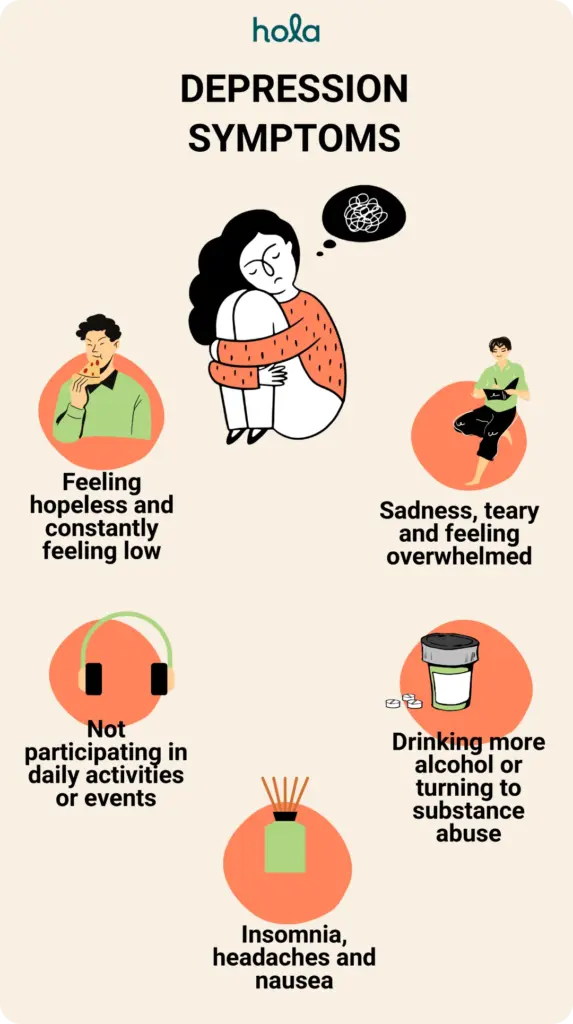
Depression symptoms can affect both emotional wellbeing and physical health, often interfering with daily life and normal routines.
Feeling hopeless and constantly feeling low
Sadness, teary and feeling overwhelmed
Not participating in daily activities or events which the person used to enjoy
Drinking more alcohol or using substances as a way of coping
Insomnia
Headaches and nausea
Prevention
Preventing and managing depression often involves a combination of healthy lifestyle habits, early support, and evidence-based treatments
Stay physically active with regular exercise, which boosts mood and reduces stress
Maintain a healthy sleep routine and balanced diet
Build strong social connections and avoid isolation
Practice stress-management techniques such as mindfulness, meditation, or yoga
Limit alcohol and avoid substance misuse
Seek early support when you notice persistent low mood, anxiety, or burnout
Talking therapies such as counselling, cognitive behavioural therapy (CBT), or psychotherapy.
Telehealth care for depression
It is important to speak to a GP first to understand and manage your symptoms. Hola Health provides a convenient way to consult an AHPRA-registered doctor online, 24/7 across Australia.
Clinical note: An online GP consult provides a mental health assessment and evaluates if a medication or referral to a specialist is appropriate. Telehealth is a complementary service; an in-person physical examination is the clinical standard to rule out underlying medical causes for depressive symptoms (such as hormonal imbalances or nutritional deficiencies). Online GPs can prepare or review MHTPs, provide pathology referrals, or prescribe medication if clinically indicated. Assessment via telehealth relies on real-time video.If you are experiencing thoughts of self-harm, a sense of immediate crisis, or severe physical symptoms, call 000 immediately or contact Lifeline on 13 11 14 or Beyond Blue on 1300 22 4636. We recommend sharing your consult summaries with your regular GP to ensure continuity of care.
Mild symptoms may lessen with time, but depression might stay or worsen without management. Early medical evaluation might help with symptom management and management planning.
Untreated depression can have an impact on sleep, employment, relationships, physical health, and overall quality of life. Symptoms may intensify over time in certain circumstances.






 Scan the QR Code to download the Hola app.