Ingrown hairs occur when a hair curls back or grows sideways into the skin, leading to redness, irritation, and painful bumps. Speak to our AHPRA-accredited online doctors via telehealth 24/7 for expert advice within 15 minutes.
When to consult a doctor for ingrown hair?
If symptoms are persistent or recurrent
See a doctor if ingrown hairs are painful, inflamed, or occur frequently, as they may require preventive advice or treatment.
If signs of infection appear
Consult a doctor if you notice redness, pus, warmth, or spreading tenderness, which could indicate a bacterial infection.
If complications develop
Seek medical attention for scarring, darkened skin, or large/deep bumps that may need medical treatment or drainage.
This guide does not replace professional care. Consult a doctor to manage your symptoms. In emergencies, call 000. The content is research-backed & medically reviewed by Dr. Ammar AL-ANI, MBChB, CCBST, AMC
Symptoms
The symptoms of ingrown hair include:
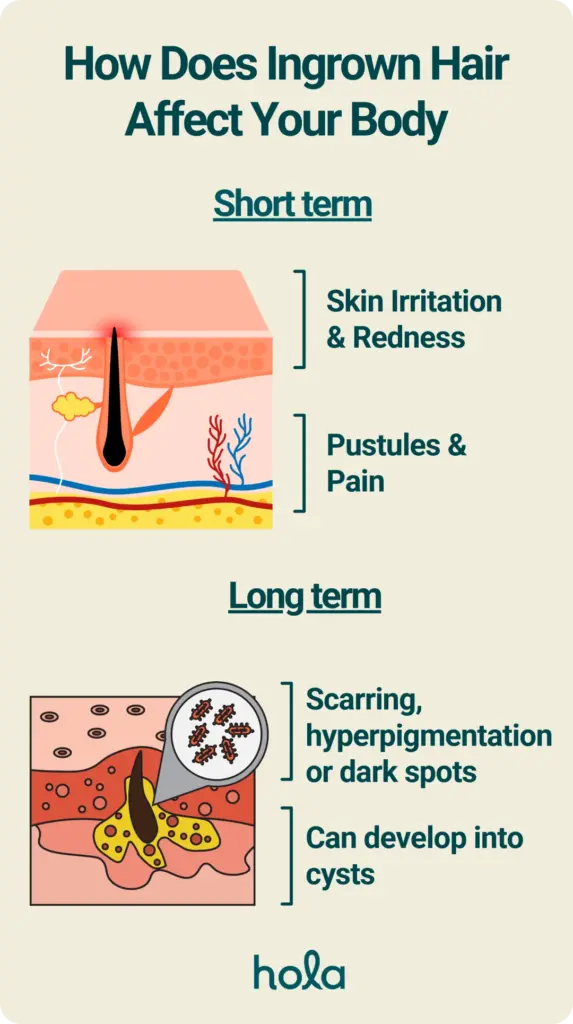
Small, round bumps (papules) or pus-filled lesions (pustules)
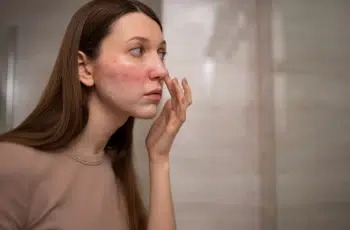
Redness, inflammation, and tenderness
Itching and irritation around the affected area
Pain or discomfort, especially if infected
Darkened skin or scarring in chronic cases
A visible hair trapped beneath the skin
Causes
Ingrown hairs occur when a hair grows back into the skin instead of emerging properly. Common causes include:
Shaving: Cutting hair too close to the skin can create sharp edges that curl back.
Waxing or plucking: Removing hair from the root can cause it to grow improperly.
Curly or coarse hair: Hair that naturally curls is more likely to grow sideways into the skin.
Tight clothing: Friction from tight clothing can push hairs back into the skin.
Dead skin buildup: Clogged hair follicles prevent hair from growing outward.
Ingrown hair complications
If left untreated, ingrown hairs can lead to:
Chronic inflammation: Long-term irritation may cause persistent redness and discomfort.
Infection: Bacteria can enter the follicle, causing abscesses or pus-filled bumps.
Scarring and hyperpigmentation: Frequent ingrown hairs may leave dark spots or permanent scars.
Cysts: Deep ingrown hairs can form painful cysts that may require medical drainage.
Ingrown hair prevention
Struggling with annoying ingrowns? Once you’ve had a quick chat with a GP, try these simple home remedies
Exfoliate regularly: Removes dead skin cells that clog hair follicles.
Use a sharp, clean razor: Dull blades increase the risk of ingrown hairs.
Shave in the direction of hair growth: Prevents hair from being cut too short and curling back.
Avoid tight clothing: Reduces friction that can push hairs into the skin.
Consider alternative hair removal methods: Laser hair removal or depilatory creams may be safer options for those prone to ingrown hairs.
Hola Health provides a fast and convenient way for you to consult a doctor online in minutes, 24/7 across Australia. Much like an in-person GP clinic, our AHPRA-registered Australian online GP will conduct a comprehensive assessment to provide the best possible care, instantly.



 Scan the QR Code to download the Hola app.
