

- Home
- /
- Health Conditions
- /
- Cholesterol
Cholesterol
When to consult a doctor for cholesterol?
If you have a family history of heart disease
If you have a family history of high cholesterol or heart disease, are over 45 (or over 30 for Aboriginal and Torres Strait Islander people), regular cholesterol checks with your GP are recommended.
If you experience severe symptoms
Call 000 immediately if you have sudden chest pain, difficulty breathing, arm or jaw pain, or sudden weakness — these may indicate a heart attack or stroke. For ongoing or mild cardiovascular symptoms such as breathlessness on exertion or coldness in the hands and feet, consult a GP promptly.
If your health or medications change
Medical review is important if you already have high cholesterol or heart disease and are making lifestyle changes, starting new medications, or develop a new condition such as hypothyroidism or diabetes.
This guide does not replace professional care. Consult a doctor to manage your symptoms. In emergencies, call 000. The content is research-backed & medically reviewed.by Dr. Ammar AL-ANI, MBChB, CCBST, AMC
Causes and complications
Cholesterol causes
- Diet: Eating foods high in saturated fats and trans fats, like red meat, full-fat dairy, fried and processed foods
- Lack of exercise: Being sedentary can lower HDL (good) cholesterol
- Obesity: Excess weight can raise LDL cholesterol and lower HDL cholesterol.
- Smoking: Smoking damages blood vessels and lowers HDL cholesterol.
- Genetics: Family history can play a significant role
- Underlying conditions: Diabetes, hypothyroidism, and certain medications can also elevate cholesterol.
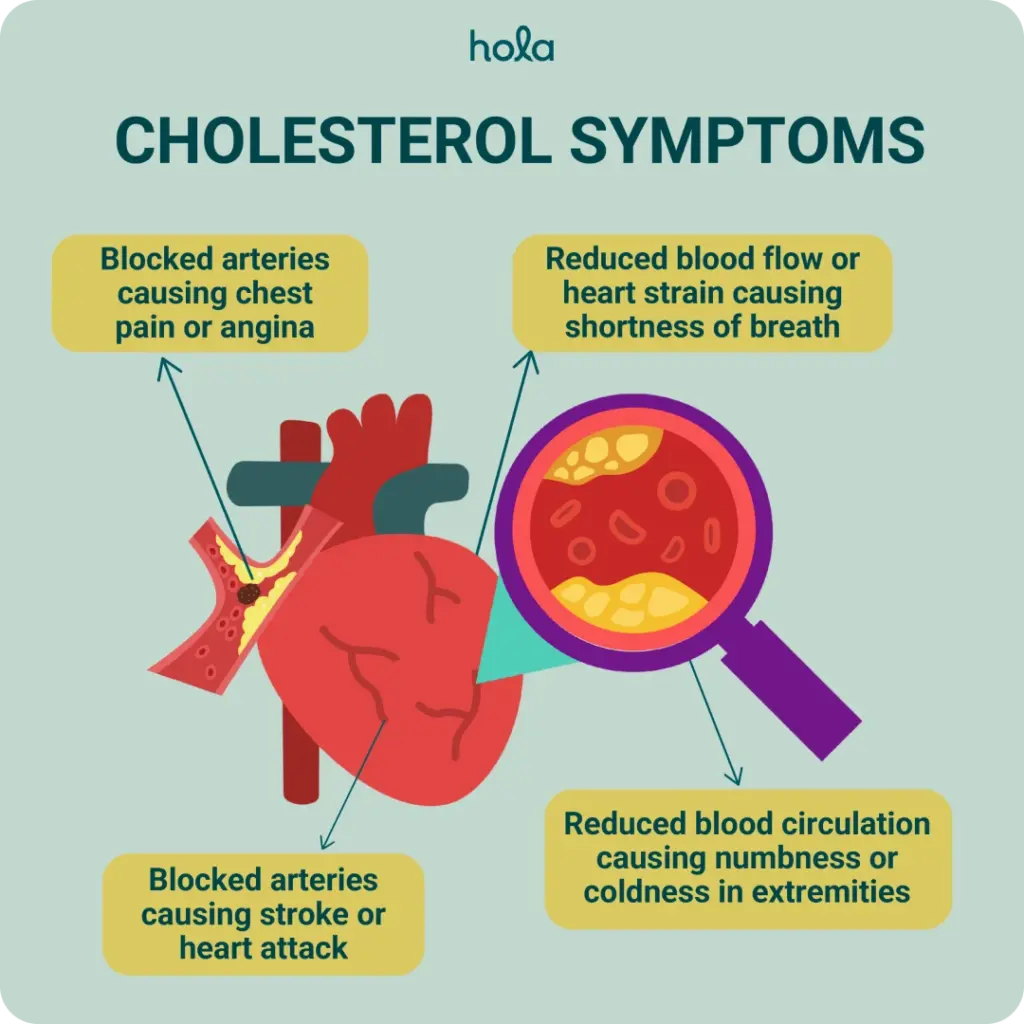
Types and prevention
Types of cholesterol
Cholesterol travels through the bloodstream in two main types:
- Low-Density Lipoprotein (LDL): Often called “bad” cholesterol, it can build up in the walls of your arteries, leading to hardening and narrowing that may increase the risk of heart attacks and strokes.
- High-Density Lipoprotein (HDL): Known as “good” cholesterol, it helps remove LDL from your bloodstream, transporting it to the liver to be broken down and removed from the body.
Prevention of cholesterol
- Eat a healthy diet (rich in fruits, vegetables, whole grains, and healthy fats).
- Exercise regularly or lose weight if needed.
- Avoid smoking and limit alcohol consumption.
- Take medications if prescribed by your doctor.
- Talk to GP to manage cholesterol early symptoms.
Hola Health provides a convenient way to consult an AHPRA-registered doctor online, 24/7 across Australia.
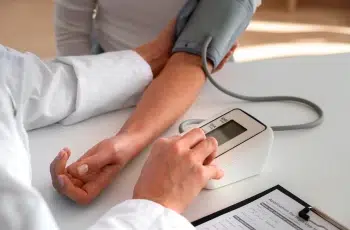
Clinical note: A telehealth assessment can help evaluate cardiovascular risk factors, arrange pathology referrals for cholesterol testing, and provide lifestyle advice and prescriptions if clinically indicated. High cholesterol cannot be diagnosed without blood testing — your GP can arrange a pathology referral during your consultation. Telehealth is a complementary service; cardiovascular risk assessment may require blood pressure measurement and other clinical data that your GP will discuss with you. If you experience chest pain, difficulty breathing, or other potential cardiac emergency symptoms, call 000 immediately — do not book a telehealth appointment for these presentations. We recommend sharing your consult summaries with your regular GP to ensure continuity of care.

Frequently Asked Questions
How to lower cholesterol?
Lowering cholesterol may entail good nutrition, regular exercise, weight control, quitting smoking and alcohol use, and medical therapy if clinically indicated. Small lifestyle modifications over time may help improve cholesterol levels.
What foods increase cholesterol?
Foods containing saturated and trans fats may raise cholesterol levels. These can include highly processed foods, fried foods, fatty meats, pastries, and takeaway meals.
Is cholesterol a serious condition?
Yes, high cholesterol raises the risk of heart disease, stroke, and blood vessel disorders over time. Many people exhibit no symptoms, which is why regular screenings may be necessary.
Which drink can reduce cholesterol?
No single drink can reduce cholesterol on its own. When paired with good lifestyle practices, water, high-fibre drinks, and reduced consumption of sugary or high-alcohol beverages may improve overall heart health.
Can stress affect cholesterol levels?
Yes. Chronic stress can lead to bad lifestyle patterns and hormonal changes that can influence cholesterol levels over time.
Can diabetes increase cholesterol levels?
Yes. Diabetes can raise the risk of high cholesterol and cardiovascular disease, particularly if blood sugar levels are not well controlled.
How long does it take to lower cholesterol levels?
It depends on the individual. Lifestyle adjustments may begin to improve cholesterol levels within a few weeks to a few months. Some patients may also require prescription therapy when clinically indicated.
Can weight loss improve cholesterol levels?
Yes. Maintaining a healthy weight may help lower cholesterol and reduce cardiovascular risk.
Speak to our doctors 24/7
Providing consults for
Helpful resources

Download our Mobile App for better performance
- Consult a GP anytime you need to.
- Stay connected wherever you are.
- Experience healthcare, uninterrupted.
 Scan the QR Code to download the Hola app.