

- Home
- /
- Health Conditions
- /
- Constipation
Constipation
Constipation is a common digestive issue which is recognised by infrequent, difficult, or painful bowel movements. Speak to an AHPRA-accredited online doctor or practitioner and get medical advice regarding constipation within minutes from anywhere in Australia, 24/7.
When to consult a doctor for constipation?
If constipation is persistent or worsening
See a doctor if constipation lasts longer than usual, does not improve with dietary or lifestyle changes, or if you notice a sudden, unexplained change in your normal bowel habits.
If you experience pain or additional symptoms
Consult a medical practitioner if constipation is accompanied by severe abdominal pain or cramping, nausea, vomiting, or a persistent feeling of fullness.
If there are warning signs
Consult a doctor urgently if you notice blood in your stool or experience unexplained weight loss along with constipation, as these may indicate a more serious underlying condition.
This guide does not replace professional care. Consult a doctor to manage your symptoms. In emergencies, call 000. The content is research-backed & medically reviewed by Dr. Ammar AL-ANI, MBChB, CCBST, AMC.
Causes and symptoms
Constipation causes
- Dietary factors: A low-fibre diet, insufficient water intake, or inadequate nutrition.
- Lack of physical activity: Sedentary lifestyles can reduce bowel movement frequency.
- Stress and anxiety: Emotional stress can disrupt normal digestion.
- Medical conditions and meds: Conditions like irritable bowel syndrome (IBS), hypothyroidism, diabetes, or neurological disorders and certain medications can affect bowel function.
- Ignoring the urge to go: Regularly ignoring the urge to have a bowel movement can disrupt normal bowel rhythms.
- Pregnancy: Hormonal changes during pregnancy can slow down the digestive system.
- Ageing: Older adults may experience slower bowel movements due to reduced muscle tone and other age-related changes.
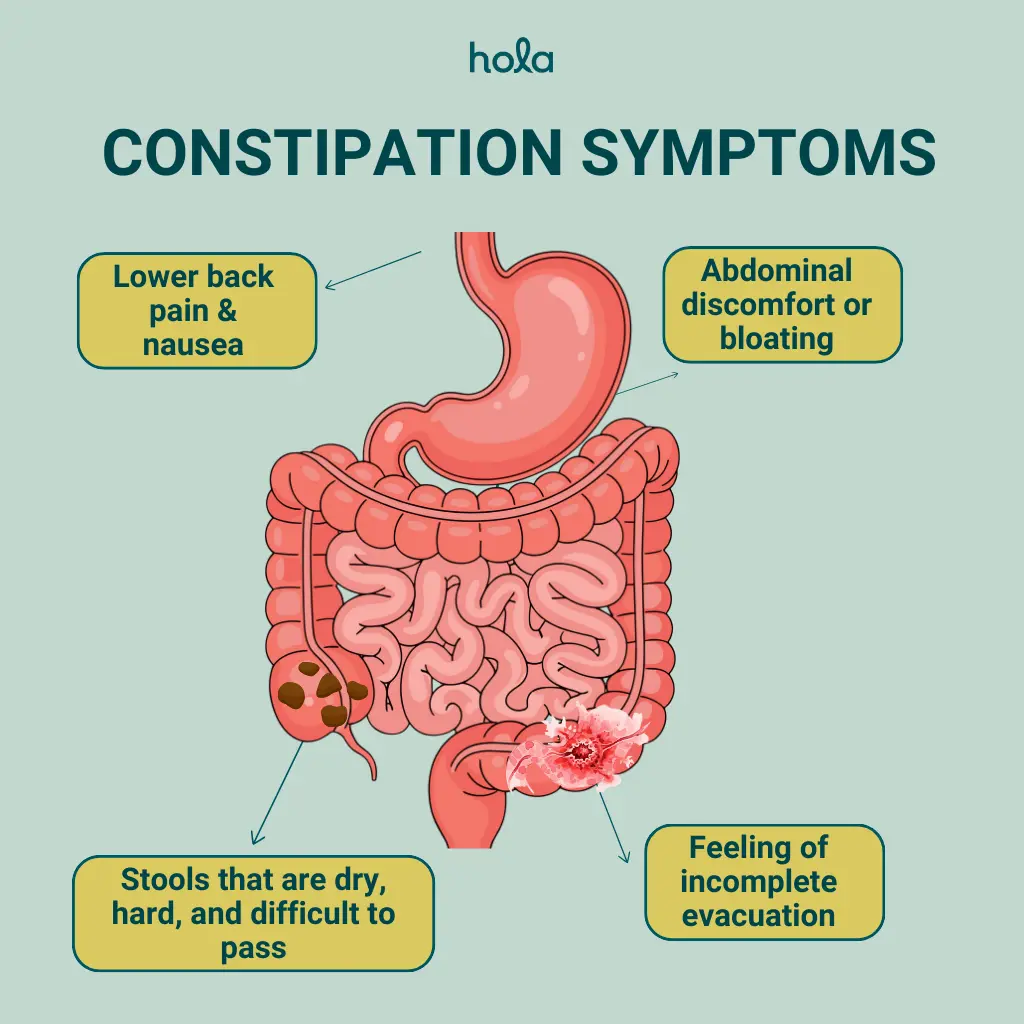
Constipation symptoms
- Infrequent bowel movements: Having less than three bowel movements per week.
- Straining: Difficulty or pain when trying to pass stools.
- Hard or lumpy stools: Stools that are dry, hard, and difficult to pass.
- Feeling of incomplete evacuation: A sensation that you haven’t fully emptied your bowels.
- Abdominal discomfort or bloating: Feeling of fullness, bloating, or cramps in the abdomen.
- Lower back pain: Some individuals may experience aching or pain in the lower back.
- Nausea: Feeling nauseous, especially if constipation is severe or chronic.
Prevention
Constipation is a common condition in Australia, affecting a significant portion of the adult population. It is estimated that approximately 24% of Australian adults experience chronic constipation. Additionally, about 40% of adults report sub-chronic constipation. The prevalence of constipation can vary based on factors such as age, gender, and lifestyle. Here are some prevention steps to be taken after your GP consult-
- Increase fibre intake: Eating more fruits, vegetables, whole grains, and legumes can help soften stools and promote regular bowel movements. Foods high in fibre, like prunes, apples, and spinach, are especially beneficial.
- Stay hydrated: Drinking plenty of water throughout the day helps soften stools and prevents dehydration, which can worsen constipation.
- Exercise regularly: Physical activity stimulates bowel movements. Even simple activities like walking or yoga can be effective.
- Use natural laxatives: Certain natural remedies like prunes, psyllium husk, or flaxseeds can act as mild laxatives and help relieve constipation.
- Try warm liquids: Drinking warm water, herbal teas (e.g., peppermint or ginger), or warm lemon water in the morning can help stimulate digestion.
- Establish a routine: Setting aside regular time each day to use the bathroom can help train your body to have consistent bowel movements.
- Avoid delaying the urge: When you feel the urge to go, try not to ignore it, as this can worsen constipation over time.
Hola Health provides a convenient way to consult an AHPRA-registered doctor online, 24/7 across Australia.
Clinical note: A telehealth assessment can help evaluate constipation symptoms, provide lifestyle and management advice, and issue prescriptions or referrals if clinically indicated. Telehealth is a complementary service — abdominal examination is required for assessing abdominal masses, tenderness, or distension. Blood in stool, unexplained weight loss, or severe abdominal pain should be assessed in person promptly, as these may indicate a serious underlying condition. In case of complete inability to pass stool or gas with severe abdominal pain, call 000 or attend an Emergency Department immediately — this may indicate bowel obstruction. We recommend sharing your consult summaries with your regular GP to ensure continuity of care.

Frequently Asked Questions
How to relieve constipation on the toilet immediately?
The right position can really help. Try not to strain and sit with your feet on a small stool so your knees are slightly higher than your hips. This can help make passing a bowel movement easier. Relax, breathe slowly and give yourself some time. Drinking warm water before sitting can also help stimulate a bowel movement.
How long is constipation considered serious?
Constipation may be considered serious if it lasts more than a couple of weeks, keeps coming back, or comes with symptoms like severe pain, vomiting, blood in your stool, or unexplained weight loss.
Can stress or anxiety contribute to constipation?
Yes, absolutely. The brain directly affects the stomach and bowel. Stress and anxiety can affect how your digestive system functions and may slow bowel movements, resulting in constipation in some people.
Does a low-fibre diet cause constipation?
Yes, it is one of the most common causes. Not consuming enough fibre can make stools harder to pass, contributing to constipation. Foods like fruits, vegetables, legumes, and wholegrains can help increase levels of fibres.
Can constipation cause bloating and gas?
Yes, constipation can cause bloating, abdominal discomfort and excessive gas because stool sits in the bowel for too long.
How can Hola Health help in an online consultation?
Hola Health is a 24/7 telehealth provider in Australia. You can consult an AHPRA-registered doctor or nurse-practitioner for medical advice, online prescriptions, medical certificates, and pathology or radiology referrals.
Speak to our doctors 24/7
Providing consults for
Helpful resources




Download our Mobile App for better performance
- Consult a GP anytime you need to.
- Stay connected wherever you are.
- Experience healthcare, uninterrupted.
 Scan the QR Code to download the Hola app.