- Home
- /
- Health Conditions
- /
- Travel Infections Treatment
Travel infections
When to consult a GP for travel infections
If you develop fever or flu-like symptoms after travel
See a GP if you experience a high fever, persistent chills, sweating, severe headaches, unusual fatigue, or body aches after returning from travel, as these may indicate a travel-related infection.
If digestive, respiratory, or skin symptoms persist or worsen
Consult a doctor if you have ongoing diarrhoea, vomiting, nausea, or abdominal pain, a persistent cough or shortness of breath, or notice unusual skin rashes, swelling, or infected insect bites.
If you have travelled to high-risk regions or symptoms do not improve
Seek medical advice if you have returned from areas with higher risks of infections such as malaria or dengue, or if symptoms continue, worsen, or do not improve within a few days, to ensure timely diagnosis and treatment.
This guide does not replace professional care. Consult a doctor to manage your symptoms. In emergencies, call 000. The content is research-backed & medically reviewed by Dr. Ammar AL-ANI, MBChB, CCBST, AMC
Common travel infections
- Traveler’s diarrhoea: Caused by consuming contaminated food or water, leading to symptoms like stomach cramps, diarrhoea, and vomiting.
- Malaria: A mosquito-borne disease found in tropical regions, characterized by fever, chills, and flu-like symptoms.
- Dengue fever: Also transmitted by mosquitoes, causing high fever, severe headaches, joint pain, and rash.
- Hepatitis A: A liver infection caused by consuming contaminated food or water, leading to jaundice, fatigue, and abdominal pain.
- Typhoid fever: Caused by the bacteria Salmonella typhi, often spread through contaminated food or water, leading to fever, stomach pain, and nausea.
- Zika virus: Spread by mosquitoes, it can cause fever, rash, and joint pain, and may pose risks during pregnancy.
- Cholera: A severe diarrheal disease caused by contaminated water, leading to dehydration and, in extreme cases, death if untreated.
- Tuberculosis (TB): A respiratory infection that can be contracted in areas with high rates of TB, causing cough, fever, and weight loss.
How to Prevent Travel Infections
Avoiding travel infections requires a combination of preventive measures to reduce exposure to harmful pathogens and minimise the risk of illness. Here are some key strategies:
- Stay up to date with vaccinations: Ensure you’re vaccinated for diseases common in your destination, such as Hepatitis A, typhoid, malaria, and yellow fever. Check with your doctor before travel to see what vaccines are recommended or required.
- Practice safe eating and drinking habits: A mosquito-borne disease found in tropical regions, characterized by fever, chills, and flu-like symptoms.
- Drink only bottled or purified water. Avoid tap water, ice cubes, or any beverages made with unclean water.
- Eat food that’s been thoroughly cooked and avoid raw or undercooked meats, seafood, and eggs.
- Avoid street food if you’re unsure about its preparation or cleanliness.
- Wash your hands thoroughly with soap and water before eating and after using the restroom.
- Use insect protection:
- Use insect repellent with DEET to prevent mosquito bites, especially in areas where diseases like malaria or dengue are common.
- Wear long-sleeved clothing and pants to reduce skin exposure during high-risk times (dawn and dusk).
- Sleep under a mosquito net if you’re staying in areas with high mosquito activity.
- Practice good hygiene:
- Regularly wash your hands with soap and water or use hand sanitizer with at least 60% alcohol.
- Carry disinfectant wipes or hand sanitizer when soap and water aren’t available.
- Be cautious with personal items:
- Don’t share personal items like towels, razors, or toothbrushes, which could spread infections.
- If you’re traveling to a malaria-prone area, take malaria prophylaxis as prescribed by your doctor.
- Avoid close contact with sick individuals: If you notice someone with symptoms of an infection (fever, coughing, diarrhoea), avoid close contact with them to reduce the risk of catching the illness.
- Keep your surroundings clean: In hotels or hostels, ensure your living space is clean, especially bedding and bathrooms. Use disinfectant wipes on surfaces you frequently touch.
- Monitor health symptoms: Be vigilant for any unusual symptoms such as fever, fatigue, or digestive issues during or after travel. Seek medical advice promptly if you feel unwell.
Management via telehealth
If you are experiencing symptoms, speak to a GP first to discuss your health.
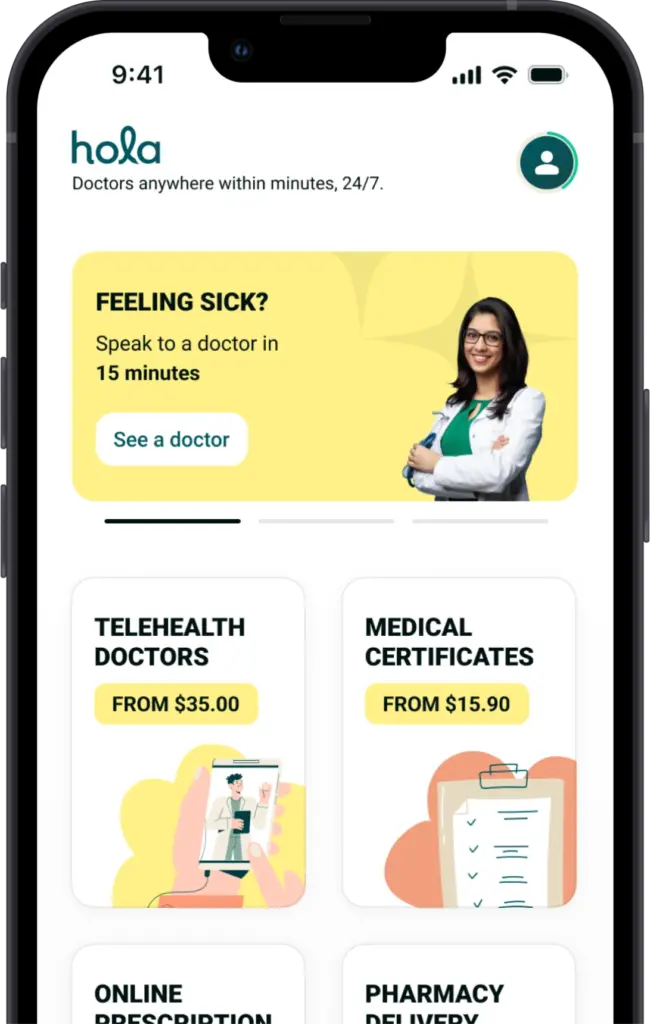
Hola Health provides a convenient way for you to consult a doctor online, 24/7 across Australia. Our AHPRA-registered Australian online GP will conduct a comprehensive assessment to provide the best possible care.
Clinical note: An online GP assessment helps provide medical advice for your travel infections and evaluate if a face-to-face consultation or physical examination is needed. Online GPs can provide prescriptions, referrals or medical certificate online if clinically indicated. Telehealth is a complementary service; for post-travel illness, physical diagnostic tests (such as blood films for Malaria, stool cultures, or PCR tests) are often required. After-hours bulk billing is available for eligible patients during Medicare-defined periods; otherwise, private fees apply. Consultations are secure, encrypted, and Australian-stored (in compliance with the Australian Privacy Principles). In case of high fever, unusual bleeding or bruising, severe dehydration, or confusion following international travel, call 000 immediately. We recommend sharing your consult summaries with your regular GP to ensure continuity of care.
Speak to our doctors 24/7
Providing consults for
Helpful resources
Download our Mobile App for better performance
- Consult a GP anytime you need to.
- Stay connected wherever you are.
- Experience healthcare, uninterrupted.
Scan the QR Code to download the Hola app.