A cough can result from colds, allergies, infections, or smoking. Hola Health can help you manage cough symptoms typically within 15 minutes (Based on typical wait times; may vary by demand and practitioner availability), 24/7.
When to consult a doctor for a cough?
If the cough lasts longer than 3 weeks or worsens
If your cough persists for more than three weeks or progressively gets worse, it’s best to see a doctor. Persistent coughing could be a sign of an underlying infection or condition that needs medical attention.
If it comes with fever, chest pain, wheezing
Call 000 if your cough comes with fever, chest pain, wheezing, or shortness of breath. Coughing up blood or blood-streaked mucus, losing weight unexpectedly, or having sleep disruptions are also red flags.
If you have health risks or recent medication changes
If you have asthma, COPD, heart disease, or a weakened immune system, or if your cough started after taking a new medication or travelling to high-risk areas, consult a doctor to rule out any serious causes.
This guide does not replace professional care. See a doctor to manage cough symptoms. In emergencies, call 000 or visit a hospital immediately. The content is research-backed & medically reviewed by Dr Vishnu Gopalan, MBBS, FRACGP, Co-Founder and Chief Medical Officer, Hola Health
Causes & Types of Cough
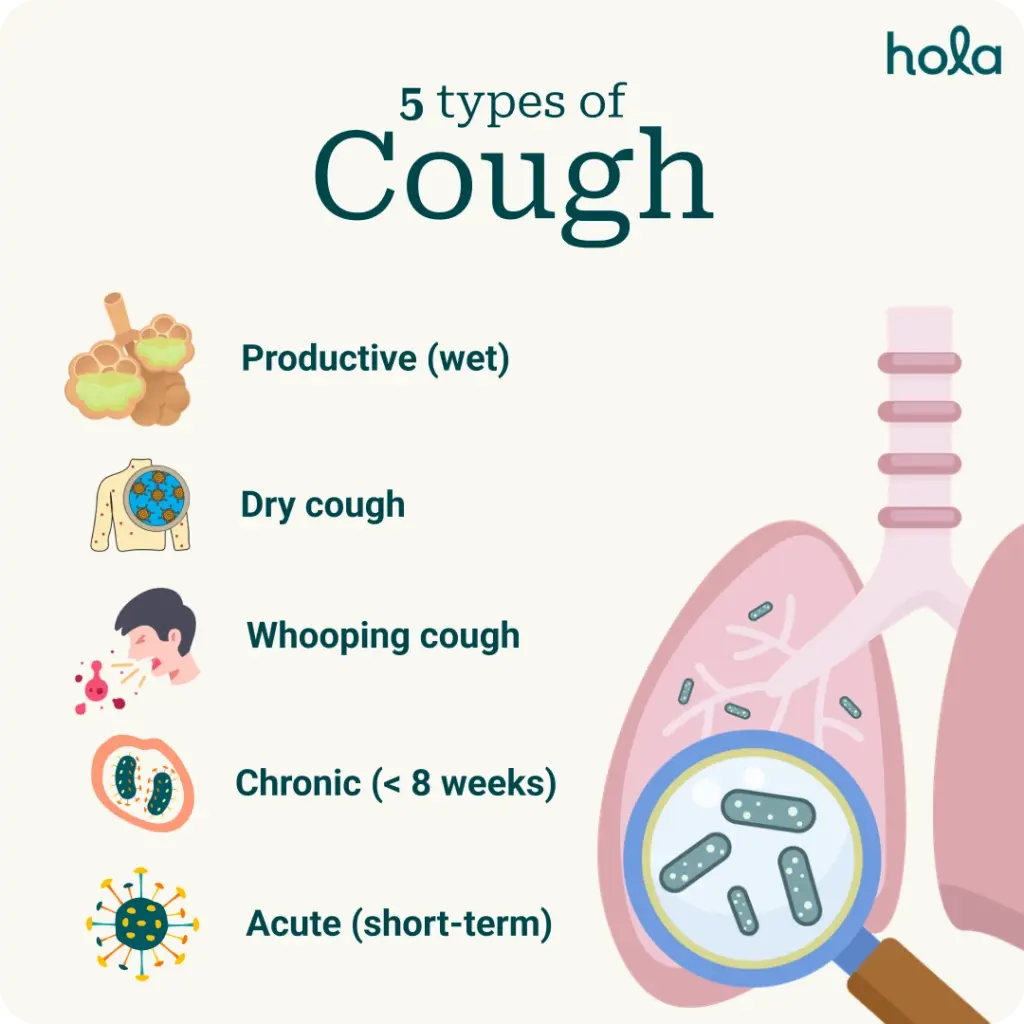
Coughs are generally classified as either dry or productive (wet). A dry cough is typically tickly and does not produce any mucus, while a productive cough helps clear the airways by bringing up phlegm or mucus. Other specific types include a barking cough and a whooping cough. Depending on their duration, coughs are also categorised as acute (short-term) or chronic (lasting more than eight weeks).
A cough can be the result of various factors, including:
Infections such as viral or bacterial infections
Environmental Irritants
Allergens and irritants such as dust and smoke
Chronic conditions such as asthma, COPD, GERD
Postnasal drip
Medications
Smoking, second-hand smoke and air pollution
Treatment and prevention of cough
An acute cough can be treated using home remedies, rest and over-the-counter medications, whereas a chronic cough needs medical attention. Whether it’s a nighttime cough or a persistent cough, it is important to understand when your cough is serious so you can speak to a doctor without delay. With your GP’s approval, some self-care steps and prevention methods could include:
Honey in warm water may help with cough (not for children under 12 months)
Stay hydrated
Use steam inhalation or a humidifier
Avoid smoking
Wash your hands often, especially before consuming food.
Get vaccinated regularly
Hola Health provides a convenient way to consult an AHPRA-registered doctor online, 24/7 across Australia.
Clinical note: A telehealth assessment can help evaluate cough symptoms, recommend appropriate management, and issue prescriptions or referrals if clinically indicated. Telehealth is a complementary service — a persistent cough or one accompanied by chest signs (wheeze, reduced air entry) requires physical chest examination (auscultation) and may require chest X-ray. TB presents with chronic cough and requires specific testing and urgent in-person assessment. After-hours bulk billing is available for eligible patients during Medicare-defined periods; otherwise, private fees apply. If you are experiencing severe difficulty breathing, blue-tinged lips, coughing up significant blood, or signs of anaphylaxis, call 000 immediately — do not use telehealth for these presentations. We recommend sharing your consult summaries with your regular GP to ensure continuity of care.
To help stop a cough, stay well hydrated, take a rest and avoid vigorous activity until symptoms subside. A teaspoon of honey taken 30 minutes before bedtime may help reduce the severity and length of a cough (not for children under 12 months). Using a humidifier or breathing in steam may also help. The correct treatment depends on the cause. If your cough continues, consult a doctor.
You can help prevent the spread of coughs by staying away from people who are coughing or sneezing, washing your hands regularly, avoiding irritants like smoke and dust, and staying up to date with vaccinations. Managing allergies and hydration may also help.
Try sleeping with your head slightly elevated, drinking warm fluids before bed, and using a humidifier if the air is dry. Avoid strong fragrances and smoking, which can irritate your airways and worsen coughing.
You should consider consulting an online doctor if your cough lasts more than a couple of weeks, keeps coming back, interferes with your sleep, or is accompanied by symptoms like fever, wheezing, or shortness of breath. Call 000 immediately if you have trouble breathing, lips or face turning blue, or develop a severe allergic reaction with throat swelling.
Yes, very much so. Smoking can irritate and damage your airways, leading to a severe or persistent cough. This kind of cough is often called a smoker’s cough, but a long-term cough can also increase the risk of more serious lung conditions.
Yes, Hola Health’s online doctors can assess your symptoms and, if appropriate, prescribe medications or recommend management. Some conditions may still require an in-person examination or further tests.





 Scan the QR Code to download the Hola app.