
Acne

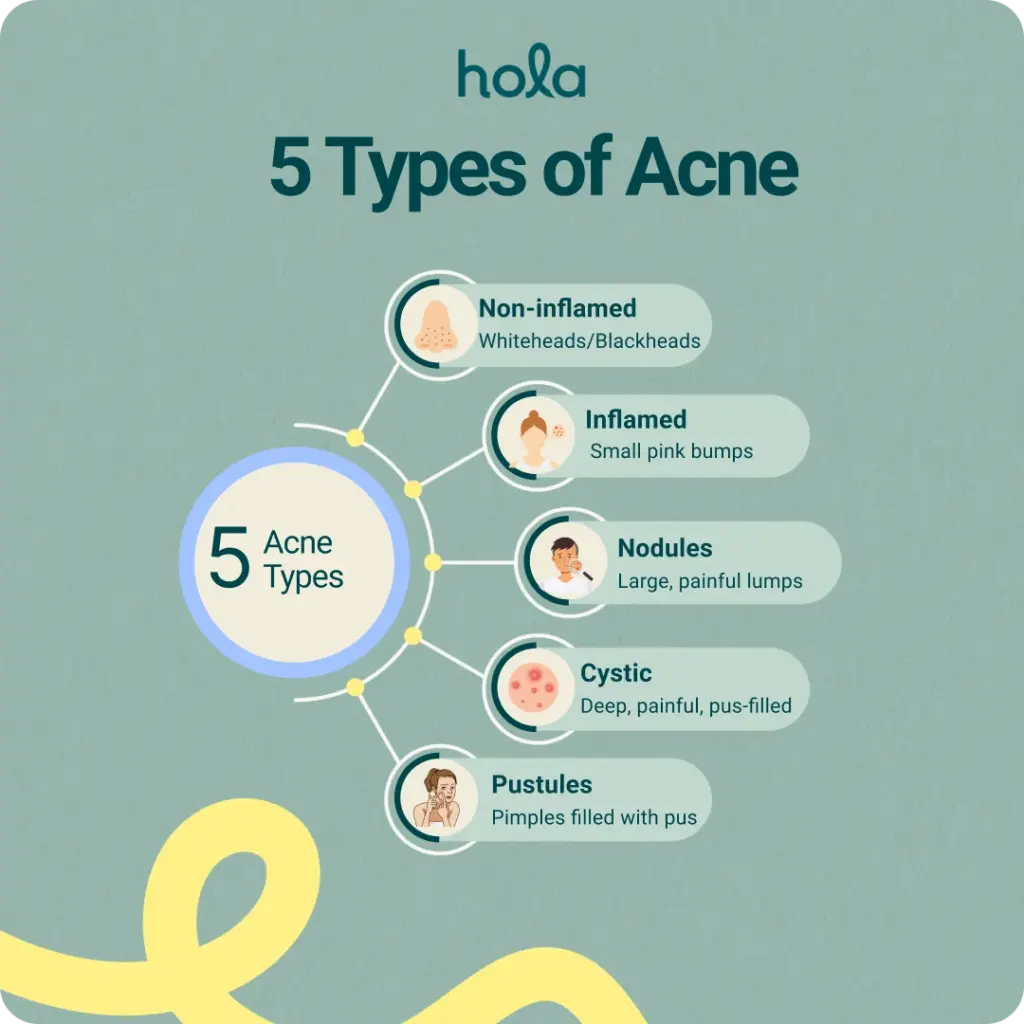
Acne is a common skin condition that affects the hair follicles and oil glands. It happens when oil glands become clogged with excess oil, dead skin cells, and bacteria. It can appear on the face, chest, back, and shoulders.  Acne manifests in various forms, and recognising the specific type can aid in determining the appropriate treatment.

When to consult a doctor for acne?

If the acne gets worse, even after home treatment

If your acne is severe and comes with large, painful, fluid-filled pimples, it’s best to see a doctor. Acne that gets worse even after home treatment needs medical attention.

If the acne causes an emotional impact

Acne could cause immense mental distress, and the person might isolate themselves due to acne. Seek medical advice if your acne is affecting your confidence, your social life and your mental health.

If you have a risk of acne due to genetics

If acne runs in your family, you may be more prone to develop severe breakouts or chronic acne. Seeking medical advice early helps you manage the condition easily as well as avoid long-term scarring.

This guide does not replace professional care. See a doctor to manage acne symptoms. In emergencies, call 000 or visit a hospital immediately. The content is research-backed & medically reviewed by Dr Vishnu Gopalan, Co-Founder & Chief Medical Officer at Hola.

Causes of acne

Acne usually develops due to multiple underlying factors, including: 

  • Excess oil (sebum) production by the skin 
  • Blocked pores from dead skin cells  
  • Bacteria growing inside clogged pores  
  • Hormonal changes, especially during puberty  
  • Certain medications and skincare products  
  • Stress and poor skincare habits.

Prevention of Acne

Mild acne is often manageable with simple everyday care. Consistency is key to improvement. 

  • Wash your face twice daily
  • Use mild, non-comedogenic skincare products 
  • Avoid harsh scrubs and overwashing
  • Eat a balanced diet and stay hydrated

For moderate to severe acne, a doctor may recommend:

  • Prescription topical creams
  • Oral medications, if needed
  • Hormonal treatments in some cases

Avoid picking or squeezing pimples, as this can cause scarring, irritation, and infection.

infographic-illustrating-five-common-types-of-facial-acne

Telehealth for acne

It is important to speak to a GP first to understand and manage your symptoms. 

Hola Health provides a convenient way for you to consult a doctor online, 24/7 across Australia. Our AHPRA-registered Australian online GP will conduct a comprehensive assessment to provide the best possible care.  

Start your GP consult now

Clinical note: An online GP assessment helps provide medical advice for your acne symptoms and evaluate if a face-to-face consultation or physical examination is needed. Online GPs can provide prescriptions, referrals or medical certificates if clinically indicated. Telehealth is a complementary service; a physical examination or in-person specialist review (e.g., dermatology) may be necessary for severe cystic acne or to perform procedures such as extractions or biopsies. Diagnosis is highly dependent on the quality of the provided clinical images. Certain oral treatments for acne require mandatory periodic pathology tests (blood tests) to monitor safety. After-hours bulk billing is available for eligible patients during Medicare-defined periods; otherwise, private fees apply. Consultations are secure, encrypted, and Australian-stored (in compliance with the Australian Privacy Principles). In case of sudden facial swelling, difficulty breathing, or a rapidly spreading, painful skin infection, call 000 immediately. We recommend sharing your consult summaries with your regular GP to ensure continuity of care.

patient-seeking-virtual-care-with-online-doctor-from-home-resting
Hola-Health-mobile-app,-showing-a-smartphone-with-the-app-interface.

Download our Mobile App for better performance

download-hola-app Scan the QR Code to download the Hola app.