Anxiety

Anxiety is a normal feeling of worry or fear. Everyone feels anxious sometimes. However, ongoing anxiety that affects your everyday life may be an anxiety disorder.

When to consult a doctor for anxiety?

If anxiety disrupts your daily life

If anxiety starts interfering with your daily activities, such as work, relationships, and social activities, you should seek medical help for your mental health. A trained GP will help you assess the symptoms and help you manage them effectively.

If you experience panic attacks or physical symptoms

If you experience frequent panic attacks or any other complication, it might indicate an advanced anxiety disorder. Seek a GP’s help to rule out any underlying symptoms or to get the right treatment.

If you have thoughts of self-harm or hopelessness

When anxiety feels overwhelming or leads to thoughts of self-harm, reach out for immediate help. For urgent or crisis situations, call 000 or contact Lifeline on 13 11 14 (24/7).

This guide does not replace professional care. See a doctor to manage acne symptoms. In emergencies, call 000 or visit a hospital immediately. The content is research-backed & medically reviewed by Dr Vishnu Gopalan, MBBS, FRACGP, Co-Founder and Chief Medical Officer, Hola Health &  Dr. Ammar AL-ANI, MBChB, CCBST, AMC. Last updated on 9 Oct 2026

Types of Anxiety Disorders

Behavioural symptoms could be difficulty concentrating, fatigue, sleep disturbances and irritability. Anxiety can be different in types, including:

  • Generalised anxiety disorder, which includes worrying about everyday concerns such as health, work or finances
  • Panic disorder, which includes sudden episodes of fear and worry
  • Social anxiety disorder, where you avoid social situations
  • Phobias towards animals, closed spaces (Claustrophobia), etc
  • Agoraphobia, for those who avoid situations that might cause panic
  • Obsessive-Compulsive Disorder, such as cleaning repeatedly or being particular about things
  • Post-Traumatic Stress Disorder, caused after a life-changing event, an accident or some sort of illness.

Symptoms of Anxiety

Anxiety can cause both physical and emotional symptoms, such as:

  • Shortness of breath
  • Sweating and trembling
  • Racing heart or pounding chest
  • Trouble sleeping
  • Difficulty concentrating
  • Constant worry or fear
infographic-listing-six-common-anxiety-symptoms-with-illustration

Causes of anxiety

Common causes include:

  • Stressful life events: Work problems, relationship issues, or grief can trigger anxiety.
  • Physical health issues: Conditions like thyroid problems can also contribute to anxiety.
  • Family history: Anxiety can run in families.
  • Trauma or abuse: Past difficult or upsetting experiences can increase the risk of anxiety.
  • Alcohol and drugs: Substance use can trigger anxiety or worsen symptoms.

Management Option for Anxiety

Treatment depends on the type and severity of your anxiety.

  • Psychological therapy, such as cognitive behaviour therapy (CBT).
  • Lifestyle changes, exercise, sleep and stress management
  • Medicines, such as antidepressants, if clinically appropriate
  • Mental health referral for ongoing support from a psychologist or counsellor.
patient-seeking-virtual-care-with-online-doctor-from-home-resting

Note: The content on this page is for general informational purposes only. Hola Health provides online doctor consultations and management where clinically appropriate. Telehealth does not replace in-person care where a physical examination is needed. If you’re experiencing a medical emergency, call 000 or 13 11 14.

Get the care you need with Hola Health

Frequently Asked Questions

During the session, the doctor may discuss:  

  • How long have you been experiencing your symptoms  
  • Stress levels and everyday function  
  • Sleep and mood swings.  
  • Medical and mental health history  
  • Possible therapy and support alternatives  

The conversation is focused on evaluation and management planning.   

Online anxiety help might include:

  • Mental health assessment
  • Referrals to psychologists or psychiatrists
  • Lifestyle and stress management tips
  • Follow-up consultations.
  • Therapeutically suitable prescriptions

It depends. Telehealth consult can be a handy choice for many people suffering from mild to severe anxiety, especially for follow-up treatment and counselling assistance. Some people may still require face-to-face consultations, especially if their symptoms are severe, complicated, or need physical examination. 

See a doctor in person if: 

  • Anxiety is affecting your work, study, or relationships
  • You feel overwhelmed most of the time
  • You’re using alcohol or drugs to cope
  • You have thoughts of harming yourself
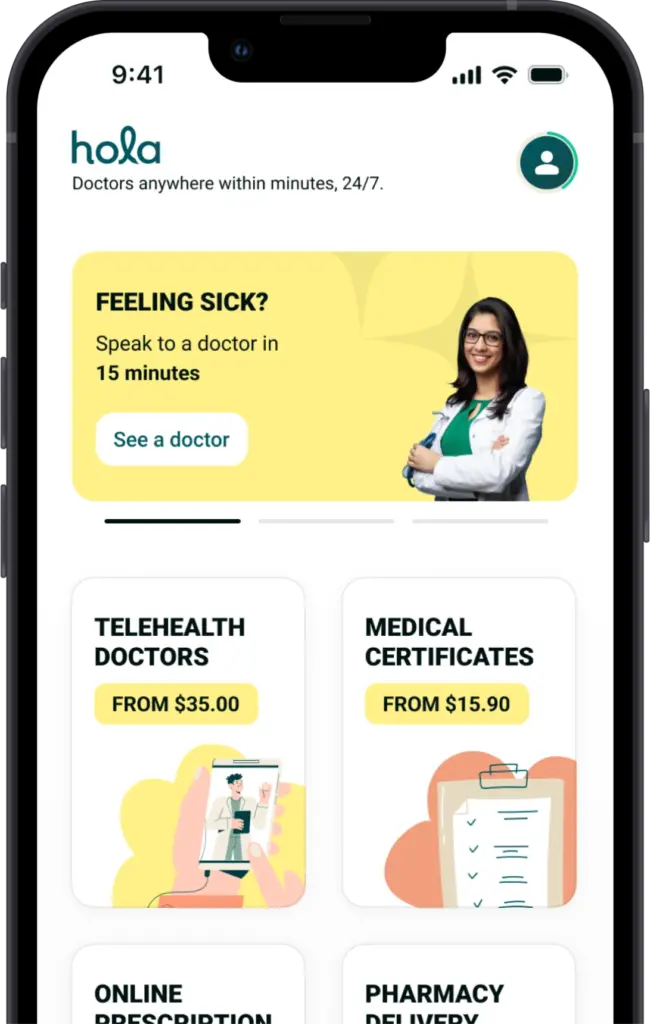
Hola-Health-mobile-app,-showing-a-smartphone-with-the-app-interface.

Download our Mobile App for better performance

download-hola-app Scan the QR Code to download the Hola app.