

- Home
- /
- Health Conditions
- /
- Migraines and Headaches
Migraines and headaches
When to consult a doctor for migraines and headaches ?
If headaches are frequent or affect daily life
See a doctor if you experience headaches or migraines several times a month or if they interfere with work, sleep, or everyday activities.
If a sudden or severe headache occurs
Call 000 immediately if you develop a sudden, severe headache described as the 'worst headache of your life' — this that may indicate a brain bleed and requires immediate emergency care. Do not wait for a telehealth consultation.
Call 000 immediately
if your headache is accompanied by sudden vision changes, numbness, weakness, confusion, or difficulty speaking — these may be signs of stroke. For headaches that worsen progressively with treatment or occur after head injury, consult a GP promptly.
This guide does not replace professional care. Consult a doctor to manage your symptoms. In emergencies, call 000. The content is research-backed & medically reviewed by Dr. Ammar AL-ANI, MBChB, CCBST, AMC
Types
There are several types of headaches, each with distinct causes, symptoms, and patterns of pain, including the following:
- Tension headaches: mild to moderate pain on both sides of the head caused by stress or muscle tension
- Migraines: Intense pain often on one side of the head triggered by certain foods, climate change and stress
- Cluster headaches: Severe burning pain around an eye which occurs in frequent episodes
- Sinus headaches: deep constant pain in the forehead, cheekbones or nose due to sinus infection
- Hormonal headaches: Headaches that happen due to hormonal changes, pregnancy or menopause
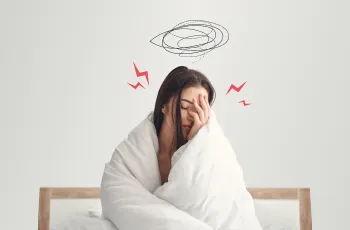
Your headache could be a migraine if it is severe and accompanied by other symptoms such as throbbing pain on one side of the head, sensitivity to lights, sounds and smells, nausea or vomiting and when the pain worsens with movement.
Symptoms
Migraines and headaches can present with a range of symptoms that vary in in intensity and duration, often affecting daily activities and overall well-being.
- Throbbing, aching, or pressure-like pain in the head
- Pain on one or both sides of the head
- Sensitivity to light, sound, or smells
- Nausea or vomiting (more common with migraines)
- Blurred vision or visual disturbances (such as aura)
- Tightness or pressure around the forehead, temples, or back of the head
- Dizziness or light-headedness
- Fatigue or difficulty concentrating
- Worsening pain with physical activity or movement
Can dehydration cause headaches?
Yes, dehydration headaches occur when your body loses fluid at a rapid pace. It is important to take ample fluids, get enough rest, and avoid dehydrating beverages such as alcohol and caffeine.
Call 000 immediately for these headache presentations:
A sudden, severe headache described as “the worst headache of your life” may indicate a subarachnoid haemorrhage (brain bleed) — this is a life-threatening emergency. Call 000 immediately. Do not wait. Do not book a telehealth consultation.
Also call 000 immediately if headache is accompanied by:
- Facial drooping, sudden arm weakness, or difficulty speaking — signs of stroke (use FAST: Face, Arms, Speech, Time — call 000)
- Sudden confusion or loss of consciousness
- Stiff neck with fever and sensitivity to light — may indicate meningitis
- Headache after a head injury, fall, or accident
- Vision loss or double vision with severe headache
- Vomiting that cannot be controlled with a severe headache
Do not book a telehealth consultation for these presentations.
A Hola Health telehealth consultation for migraines and headaches is appropriate for frequent or recurrent headaches, migraine management, prescription review, and prevention strategies for known migraine sufferers. If you are unsure whether your symptoms require emergency care, call 000 — it is always safer to seek immediate help than to delay.

Common Migraine Triggers
Migraines can be triggered by a variety of internal and external factors, which may differ from person to person.
- Stress or emotional tension
- Lack of sleep or changes in sleep patterns
- Skipping meals or dehydration
- Certain foods such as aged cheese, chocolate, processed foods, or foods with additives
- Caffeine overuse or sudden caffeine withdrawal
- Hormonal changes, including menstruation, pregnancy, or menopause
- Bright lights, loud noises, or strong smells
- Weather changes
- Excessive screen time or eye strain
What to do when I wake up with a headache?
Waking up with a headache can be caused by sleep disorders like sleep apnea and insomnia, dehydration, bruxism, poor sleep posture, and mental health issues such as anxiety and depression. Other triggers include alcohol consumption, medication overuse, oversleeping, and environmental factors. To prevent waking up with headaches, it’s important to maintain a regular sleep schedule, stay hydrated, limit alcohol and caffeine intake, manage stress, and address any underlying health conditions with a healthcare professional.
Hola Health provides a convenient way to consult an AHPRA-registered doctor online, 24/7 across Australia.
Clinical note: A telehealth assessment can help evaluate recurrent headaches and migraines, provide management advice, arrange prescriptions for acute or preventive migraine medications if clinically indicated, and refer to a neurologist where appropriate. Telehealth is a complementary service — a sudden, severe headache (thunderclap headache), headache with neurological symptoms (weakness, facial drooping, speech difficulty), or headache after head injury requires emergency assessment and cannot be managed via telehealth. A neurological examination cannot be performed via telehealth. Consultations are secure, encrypted, and Australian-stored in compliance with the Australian Privacy Principles. If you experience a sudden severe headache, signs of stroke, stiff neck with fever, or headache after injury, call 000 immediately — do not use telehealth for these presentations. We recommend sharing your consult summaries with your regular GP to ensure continuity of care.

Frequently Asked Questions
What causes migraine headaches?
Migraine headaches are caused by abnormalities in how the brain interprets pain signals. The exact cause is unknown, but migraines are believed to be linked to changes in brain activity, neural pathways, and chemicals that regulate pain and inflammation.
Several factors can cause migraines, including:
- Stress and emotional changes
- Sleep deprivation or altered sleep habits
- Certain foods or beverages
- Hormonal changes, including those associated with the menstrual cycle
- Dehydration
- Bright lights, pungent scents, or loud noises
- Changes in the weather
Some people may have a family history of migraines, which increases their risk.
How long can migraine headaches last?
A migraine headache may last for several hours or days. For many people, migraine attacks last between 4 and 72 hours if unmanged.
A migraine episode may occur in many stages, including:
- Prodrome: Early warning signs, such as mood swings, fatigue, or food cravings.
- Aura: Some people experience visual changes, tingling, or other brief sensations before the headache develops.
- Headache phase: Moderate to severe head pain, typically accompanied by nausea and sensitivity to light or sound.
- Postdrome: A period of fatigue or feeling unwell after the migraine has diminished.
The duration and intensity of migraines can differ from person to person.
How do you get rid of a migraine headache?
There is no single management that works for everyone, but a range of managements can alleviate migraine symptoms.
Some people find relief by:
- Resting in a calm, dark room.
- Drinking water if dehydration may be contributing.
- Placing a cold pack on the head or neck.
- Taking appropriate pain management medications early in a migraine episode.
- Using migraine-specific medications as recommended by a healthcare expert.
If migraines are frequent, severe, or interfere with your daily life, a doctor can assess your symptoms and recommend management options to prevent migraines and manage attacks.
What does a migraine feel like?
A migraine often causes moderate to severe throbbing or pulsating pain on one side of the head, although it can affect both sides.
Common migraine symptoms include:
- Throbbing or pounding headache
- Nausea or vomiting
- Sensitivity to light, sound, and smell
- Increased pain during strenuous activity
- Feeling extremely exhausted just before or after an attack
Some patients experience an aura before a migraine. This can cause temporary visual disturbances such as flashing lights or blind spots, along with sensations like tingling.
What alleviates migraines?
Migraine relief depends on the individual and the intensity of the symptoms. Some techniques that may help are:
- Resting in a peaceful, dark setting
- Maintaining regular sleep habits
- Drinking enough fluids
- Taking suitable painkillers as prescribed
- Avoiding typical migraine triggers
People who experience migraines regularly may benefit from preventative management methods or lifestyle adjustments.
Is migraine a severe condition?
While most migraines are not dangerous, they can have a major impact on everyday activities and quality of life. You should seek urgent medical care if you experience a sudden, severe headache that feels different from your usual headaches, or if your headache is accompanied by symptoms such as:
- Numbness or weakness on one side of the body
- Confusion or trouble speaking
- Loss of consciousness
- Seizures
- High temperature or stiff neck
If you are unclear about your symptoms or your headaches are changing, consult a healthcare expert for guidance.
What are the causes of headaches?
Headaches may occur for several reasons. They develop when the pain-sensitive structures in the head, neck, or surrounding tissues are inflamed.
Common causes of headaches are
- Poor sleep
- Stress and tension
- Dehydration
- Meal skipping
- Eye strain
- Illness or infection
- Hormonal changes
- Alcohol intake
- Overuse of some pain medications
The type and location of pain may vary depending on the cause. A healthcare professional should assess frequent headaches.
What is the difference between a headache and a migraine?
| Headaches | Migraines |
| Can range from mild to severe pain | Often causes moderate to severe pain |
| May feel like pressure or aching | Often feels throbbing or pulsing |
| Usually does not cause nausea | Nausea is common |
| Less likely to cause light or sound sensitivity | Often causes sensitivity to light, sounds or smells |
| Can have many causes | Usually involves changes in brain activity and nerve pathways |
Speak to our doctors 24/7
Providing consults for
Helpful resources



Download our Mobile App for better performance
- Consult a GP anytime you need to.
- Stay connected wherever you are.
- Experience healthcare, uninterrupted.
 Scan the QR Code to download the Hola app.