Menopause is when a woman’s periods stop naturally, usually between 45–60 years, caused by falling hormone levels, and can lead to symptoms like hot flashes, mood changes, and sleep problems. Get expert medical advice from our online doctors, available 24/7.
When to consult a doctor for menopause?
If hot flashes or night sweats are severe
Seek medical advice if frequent or intense hot flashes and night sweats disrupt your sleep, daily activities, or overall quality of life.
If mood changes or anxiety are affecting you
Consult a doctor if mood swings, depression, or heightened anxiety interfere with your emotional well-being or daily functioning.
If sleep disturbances or unexplained weight changes occur
See a doctor if insomnia, poor sleep quality, sudden weight gain, or difficulty managing weight impacts your energy levels or health.
This guide does not replace professional care. Consult a doctor to manage your symptoms. In emergencies, call 000. The content is research-backed & medically reviewed by Dr. Ammar AL-ANI, MBChB, CCBST, AMC
Causes
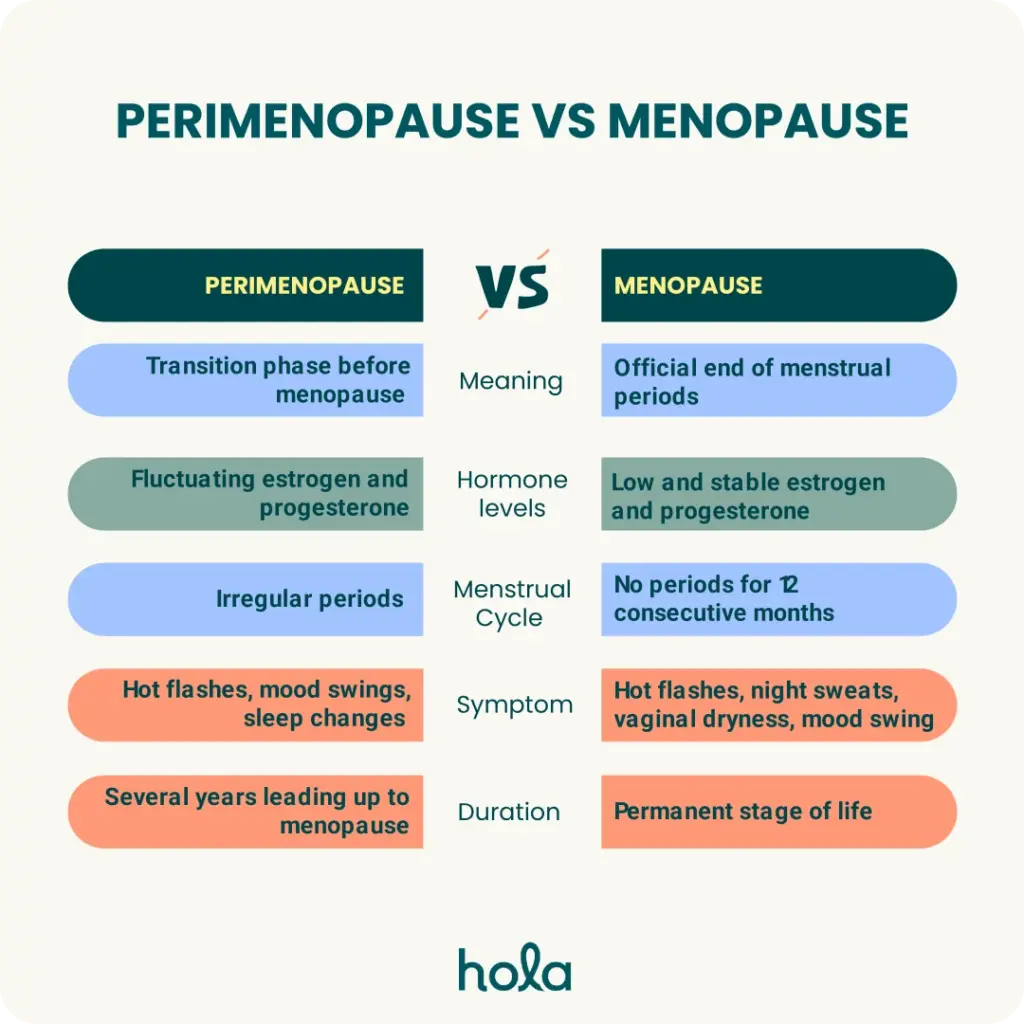
The causes of menopause are primarily due to natural hormonal changes and aging, though surgery, medical treatments, and certain health conditions can also trigger early menopause.
Natural aging: Menopause usually occurs between ages 45–60 as ovarian function naturally declines.
Decline in hormones: Reduced production of estrogen and progesterone leads to the end of menstrual cycles.
Genetics: Family history can influence the age at which menopause begins.
Surgical menopause: Removal of ovaries (oophorectomy) can trigger early menopause.
Medical treatments: Chemotherapy, radiation, or certain medications can induce menopause earlier than usual.
Health conditions: Autoimmune disorders or other medical conditions affecting ovarian function can cause early menopause.
Symptoms
Menopause affects each woman differently, but some of the most common symptoms of menopause include:
Hot flashes & night sweats: Sudden feelings of heat, often accompanied by sweating and flushing.
Mood swings & anxiety: Hormonal changes can lead to irritability, depression, or heightened anxiety.
Sleep disturbances: Many women experience insomnia or disrupted sleep patterns.
Vaginal dryness & low libido: Reduced estrogen levels can cause discomfort during intercourse.
Irregular periods: Before menstruation stops completely, periods may become unpredictable.
Weight gain & slower metabolism: Hormonal shifts may contribute to weight changes.
Bone loss & joint pain: Decreased estrogen can lead to reduced bone density and an increased risk of osteoporosis.
How to manage
Simple lifestyle changes, medical treatments, and natural remedies can help ease menopause symptoms and improve your overall well-being.
Exercise regularly: Walking, yoga, swimming, or strength training helps mood, sleep, and bone health.
Eat a balanced diet: Include calcium, vitamin D, lean protein, healthy fats, and fiber to support energy and bones.
Prioritise sleep: Maintain a bedtime routine, limit screens, keep your bedroom cool, and try relaxation techniques.
Manage stress: Use yoga, meditation, journaling, or nature walks to reduce mood swings and hot flashes.
Stay hydrated: Drink enough water to reduce bloating, dryness, and support overall well-being.
Hormone replacement therapy (HRT): Supplements estrogen and progesterone to ease symptoms; discuss suitability with a GP.
Non-hormonal treatments: Medications, vaginal lubricants, or creams can relieve hot flashes and dryness.
Natural remedies: Acupuncture, herbal supplements, or phytoestrogen-rich foods (soy, flaxseeds) may help; consult a doctor first.
Seek professional advice: Talk to a GP or telehealth doctor to choose the best treatment for your symptoms.
Hola Health provides a fast and convenient way for you to consult a doctor online in minutes, 24/7 across Australia. Much like an in-person GP clinic, our AHPRA-registered Australian online GP will conduct a comprehensive assessment to provide the best possible care, instantly.







 Scan the QR Code to download the Hola app.