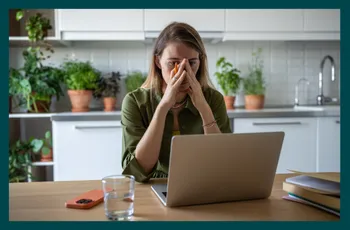
Anxiety disorders can seriously impact daily life. Anxiety can be managed effectively, but it is not always considered “curable” in the traditional sense. Some of the common symptoms of anxiety include excessive worry or fear, restlessness, dizziness, rapid heartbeat or palpitations and muscle tension.
When to consult a doctor for anxiety?
If anxiety disrupts your daily life
If anxiety starts interfering with your daily activities, such as work, relationships, and social activities, you should seek medical help for your mental health. A trained GP will help you assess the symptoms and help you manage them effectively.
If you experience panic attacks or physical symptoms
If you experience shortness of breath, chest tightness, frequent panic attacks or any other complication, it might indicate an advanced anxiety disorder. Seek a GP’s help to rule out any underlying symptoms or to get the right treatment.
If you have thoughts of self-harm or hopelessness
When anxiety feels overwhelming or leads to thoughts of self-harm, reach out for immediate help. An online doctor can create a mental health treatment plan for you, but for urgent cases, dial **000** or visit the nearest hospital.
This guide does not replace professional care. Consult a doctor to manage your symptoms. In emergencies, call 000 or visit a hospital immediately. The content is research-backed & medically reviewed by Dr Vishnu Gopalan, Co-Founder & Chief Medical Officer at Hola.
Types of anxiety disorders & its symptoms
Behavioural symptoms could be difficulty concentrating, fatigue, sleep disturbances and irritability. Anxiety can be different in types, including:
Generalised anxiety disorder, which includes worrying about everyday concerns such as health, work or finances
Panic disorder, which includes sudden episodes of fear and worry
Social anxiety disorder, where you avoid social situations
Phobias towards animals, closed spaces (Claustrophobia), etc
Agoraphobia, for those who avoid situations that might cause panic
Obsessive-Compulsive Disorder, such as cleaning repeatedly or being particular about things
Post-Traumatic Stress Disorder, caused after a life-changing event, an accident or some sort of illness.
Prevention of anxiety
You can manage your anxiety by adopting a healthy diet and maintaining a healthy lifestyle. Some of the self-care tips include exercising regularly, trying therapy and limiting alcohol, caffeine or nicotine. With a GP’s advice, some prevention methods for anxiety could include:
Maintain a healthy daily routine.
Stay socially connected and seek support.
Recognise early signs and act promptly.
Practice mindfulness and breathing exercises.
Limit screen time and manage stress.
Prioritise rest, hobbies, and self-care.
Telehealth for anxiety symptoms
It is important to speak to a GP first to understand and manage your symptoms.
Hola Health provides a convenient way for you to consult a doctor online, 24/7 across Australia. Our AHPRA-registered Australian online GP will conduct a comprehensive assessment to provide the best possible care.
Clinical note: Telehealth is a complementary service; an in-person physical examination may be required to rule out underlying physical conditions (such as thyroid or cardiac issues). Bulk billing for MHTPs is available for eligible Medicare patients. Consultations are secure, encrypted, and Australian-stored (in compliance with the Australian Privacy Principles). If you are experiencing thoughts of self-harm, severe chest pain, or a panic attack that feels like a medical emergency, call 000 immediately or contact Lifeline on 13 11 14. We recommend sharing your consult summaries with your regular GP to ensure continuity of care.




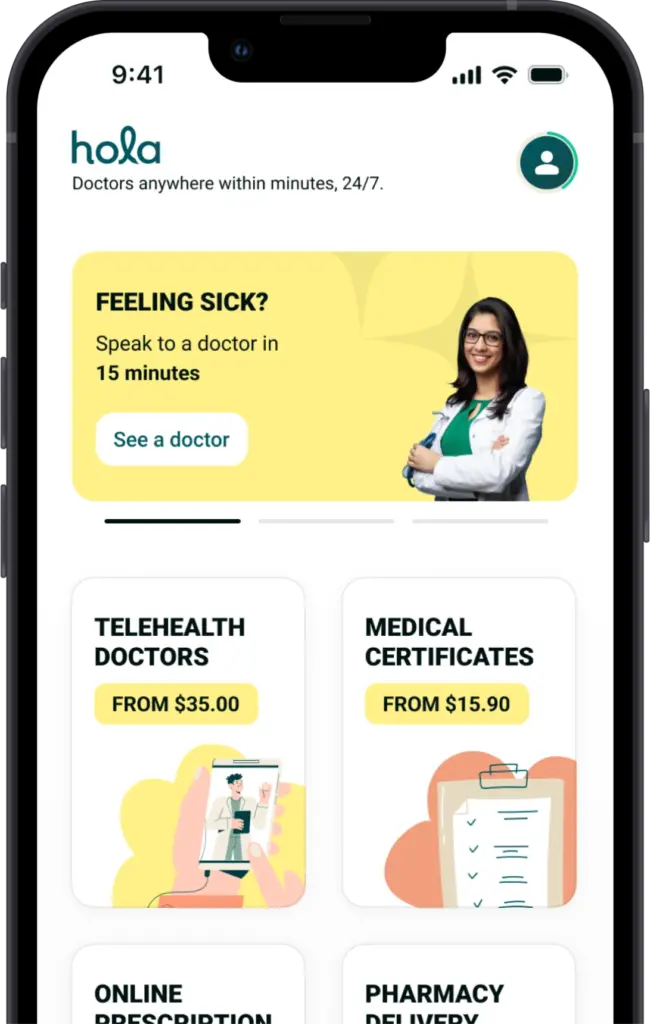
 Scan the QR Code to download the Hola app.
