

Hormonal acne: What is it and how can you manage it at home?
Contents
 Facebook
  X
X  Copy Link
Overview
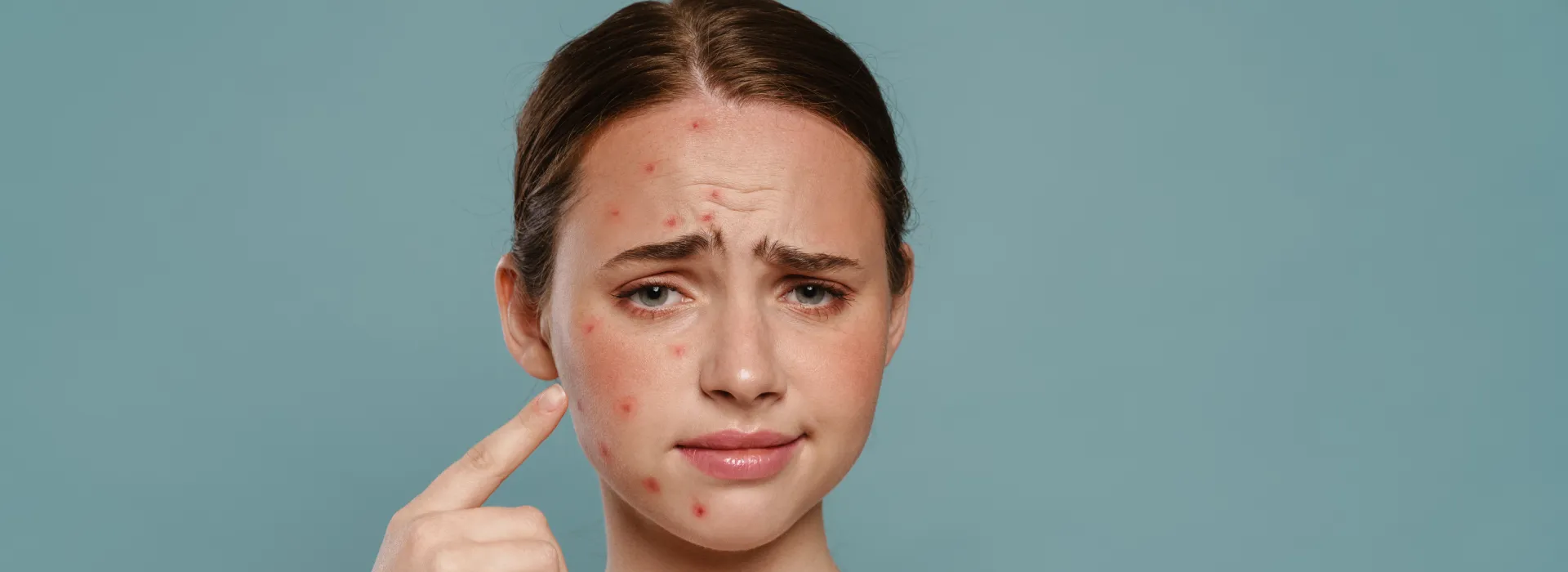
Hormonal acne refers to outbreaks instigated by fluctuations in hormone levels within the body. It is frequently seen during adolescence but also impacts many adults, especially women in Australia. These breakouts typically manifest around the jawline, chin, and lower cheeks, and can be more resistant than regular acne. While hormonal acne can be frustrating, it is manageable. With a dedicated skincare regimen, lifestyle changes, and medical assistance when necessary, most individuals can attain clearer and healthier skin. Note: The content of this blog is for informational purposes only and does not replace professional medical diagnosis, advice, or treatment.What causes hormonal acne?
Hormonal acne occurs when hormonal changes boost oil production and obstruct pores.- Hormonal shifts: Transformations during puberty, menstrual cycles, pregnancy, or menopause
- Elevated androgens: Increased levels of male hormones lead to excessive oil production
- Cortisol spikes from stress: Chronic stress may exacerbate hormonal imbalances
- Underlying conditions: Issues like polycystic ovary syndrome (PCOS)
- Modifications in contraceptives: Halting or altering hormonal birth control
- Genetic factors: A familial tendency towards acne
How to identify hormonal acne
- Hormonal acne tends to follow identifiable patterns as opposed to appearing sporadically.
- Breakouts around the chin, jawline, and lower face
- Deep, painful blemishes or cysts beneath the skin
- Flare-ups coinciding with the menstrual cycle
- Onset of adult acne in individuals aged 20 to 40
- Whiteheads and blackheads accompany inflamed lesions
- Acne that deteriorates during times of stress or inadequate sleep
Who is more likely to get hormonal acne?
- Women aged 18 to 45
- Teenagers undergoing puberty
- Individuals with PCOS or thyroid disorders
- Shift workers with irregular sleeping patterns
- Those experiencing extended or chronic stress
At-home treatments for hormonal acne
This information is for educational purposes only. You should consult a GP before attempting home remedies to ensure they are safe for your specific condition.Essential skincare routine
- Use a mild, non-stripping cleanser.
- Select non-comedogenic skincare and cosmetics.
- Refrain from excessive washing or aggressive scrubbing.
Helpful over-the-counter ingredients
- Medicated over-the-counter cleansers: Decreases acne-causing bacteria
- Exfoliating agents: Assists in clearing clogged pores
- Redness-reducing agents: Appropriate for sensitive or acne-prone skin
- Anti-inflammatory vitamins: Alleviates inflammation and redness
Natural and lifestyle strategies
- Limit high glycaemic foods like white bread and sugary beverages
- Maintain a diet that is abundant in vegetables, whole grains, and omega-3 fatty acids
- Mitigate stress through exercise, mindfulness practices, and adequate sleep
- Ensure proper hydration
- Avoid touching, squeezing, or picking at pimples
Hormonal acne-friendly regimen
A straightforward routine can aid in consistency:- Cleanser
- Treatment product
- Moisturiser
- Sunscreen (morning)
Home remedies that do not work
- Applying lemon juice to the skin
- Using toothpaste as a spot treatment
- Harsh physical exfoliants
- Combining several active ingredients simultaneously
- Coconut oil or heavy, greasy creams on the face
When at-home treatment is not enough
Home care may prove insufficient if acne is severe or persistent.- Deep cystic acne
- Painful nodules
- Scarring or lingering pigmentation
- Acne that significantly impacts self-esteem or daily life
- Hormonal acne often necessitates prescription treatment from a healthcare professional.
Clinical management options in Australia
- Prescription specialist-level oral treatments
- Antibiotic creams or pills
- Oral contraceptive medications
- prescription-strength topical creams for hormonal regulation
- Specialist-level oral medications for severe or stubborn cases
- Management of PCOS when relevant
How Hola Health can help
Hola Health’s online GPs offer readily available support for addressing hormonal acne.- Assessment of hormonal acne through telehealth
- Clinical assessment for electronic prescriptions, provided only if the consulting doctor deems it clinically necessaryduring your consultation.
- Advice for acne related to PCOS
- Customised skincare recommendations
- Referrals to dermatologists when necessary
Conclusion
Hormonal acne is a prevalent and often enduring skin condition, but it can be effectively managed with the appropriate methods. Recognising hormonal triggers, adhering to a consistent skincare routine, and implementing supportive lifestyle changes can considerably lessen breakouts over time. When at-home treatments are inadequate, seeking medical assistance from a GP can provide safe and effective solutions.FAQs
Does stress lead to hormonal acne?
While stress doesn't directly lead to acne, it can aggravate hormonal imbalances and result in flare-ups.Does what you eat impact hormonal acne?
Absolutely. Foods that are high in sugar or heavily processed may exacerbate acne for some individuals.How long does it take for hormonal acne to show improvement?
Typically, most treatments may take between four to eight weeks to reveal noticeable results.Can hormonal acne appear unexpectedly?
Yes. Fluctuations in hormones, elevated stress levels, or changes in contraception can trigger abrupt breakouts.Is it normal for hormonal acne to occur in your 30s and 40s?
Yes. A significant number of women continue to experience hormonal acne into their adult years.See a Aussie GP online, available 24/7
Download the app today.


Related Articles
Understanding Acne -Causes, Symptoms And Treatments
Understanding Acne┬áÔÇô Causes, Symptoms And Treatments Understanding Acne – Causes, Symptoms and Treatments Written by...
Rosacea – Symptoms, Causes, And Treatment
Rosacea ÔÇô Symptoms, causes, and Treatment Written by Sai Pragna Chagarla, Staff Writer ÔÇô Hola...
Disclaimer
This blog is for general informational purposes only and does not indicate that Hola Health provides all treatments or preventive measures mentioned. It is not intended to be a substitute for professional medical advice. Always seek the guidance of your doctor or other qualified health professional with any questions you may have regarding your health or a medical condition. For emergencies please immediately contact 000. Any medical topics discussed are intended to educate, not to imply availability through Hola Health.