

Fever blisters: Stages, Causes, and Management

Contents
 Facebook
  X
X  Copy Link
Summarise with AI:
 ChatGpt
  Google AI Mode
  Perplexity
  Claude
 Talk to an AHPRA GP for telehealth GP advice or med cert in minutes.
Overview
A fever blister, also known as a cold sore, is a small fluid-filled blister that typically appears on or around the lips. It is caused by the herpes simplex virus type 1 (HSV-1) and is highly contagious as well as recurrent. Understanding its stages, identifying common triggers, and following appropriate management strategies can help make outbreaks easier to manage and reduce their frequency over time. Note: The content of this blog is for informational purposes only and does not replace professional medical diagnosis, advice, or treatment.What causes fever blisters?
Fever blisters are caused by the herpes simplex virus type 1 (HSV-1). After the initial infection, the virus remains dormant in the body and can reactivate later due to certain triggers. Common causes and triggers include:- Spread through close contact, such as kissing or sharing utensils, towels, or toothbrushes with someone who has an active blister
- Outbreaks triggered by weakened immunity, stress, illness, or sun exposure
- HSV-2, which is more commonly associated with genital herpes, can occasionally cause oral blisters
Stages of fever blisters
|
Stage |
Symptoms | Duration |
Notes |
| Tingling/itching | Mild tingling, burning, or itching around the lips | 1 day | Early sign, best time to start treatment |
| Blister formation | Small fluid-filled blisters appear | 1–2 days | Highly contagious |
| Weeping/ulceration | Blisters break and ooze fluid | 1–2 days | Very infectious; avoid touching |
| Crusting/healing | Scabs form and dry | 3–4 days | Healing begins; redness may persist |
| Post-healing | Skin returns to normal | 1–2 days | Rarely leaves scars |
Common triggers and risk factors
Common triggers and risk factors include:- Stress or fatigue
- Illness (cold or flu)
- Sun exposure or UV rays
- Hormonal changes (such as menstruation)
- Weakened immune system
- Physical trauma to the lips (biting or chapping)
Treatment options
While fever blisters cannot be completely cured, several treatments can help relieve symptoms and speed up healing.At-home care
- Keep the area clean and dry
- Avoid touching or picking the blisters
- Use ice or a cold compress to reduce discomfort
- Use over-the-counter pain relief if needed (consult a pharmacist or doctors or medical practitioner for suitable options)
Over-the-counter remedies
- Antiviral creams (most effective when applied early at the tingling stage)
- Lip balms or moisturisers to prevent cracking
Prescription treatment
- Oral antiviral medications may help speed up recovery and reduce recurrence
Lifestyle measures
- Manage stress and ensure adequate sleep
- Protect lips with SPF lip balm
- Avoid sharing utensils, towels, or drinks


When to see a doctor
Consult a doctor if you notice any of the following:- Outbreaks are frequent or severe
- Blisters spread to the eyes or other areas
- You have a high fever or swollen lymph nodes
- You have a weakened immune system or underlying health conditions
- You are in a high-risk group (children, older adults, or pregnant individuals) and need personalised care
How Hola Health can help
Access to timely medical care can help manage fever blisters effectively and reduce discomfort. Telehealth services provide convenient support, guidance, and treatment options from home.- Online doctors or medical practitioner consultations for diagnosis and guidance
- Assessment for electronic prescriptions for antiviral creams or oral medications, where clinically appropriate
- Advice on preventing outbreaks and identifying triggers
- Referral to dermatologists if required
- Online Medical certificates if fever blisters affect work or school
FAQs
How long does a fever blister last?
Most fever blister outbreaks heal within 7–14 days, although the first episode may last longer.Are fever blisters contagious?
Yes, they are highly contagious, especially from the tingling stage until the blister has fully healed.Can stress cause outbreaks?
Yes, stress, fatigue, and illness are common triggers that can reactivate the virus.Can I treat fever blisters naturally at home?
Home care can help relieve symptoms, but it does not eliminate the virus. Early antiviral treatment is usually more effective.When should I see a doctor?
Consult a doctor if outbreaks are severe, frequent, spreading to sensitive areas like the eyes, or if you belong to a high-risk group.Conclusion
Fever blisters are a common result of HSV-1 infection and affect a large portion of the population. While there is no permanent cure, understanding the stages, triggers, and available treatments can help manage symptoms effectively and reduce the frequency of outbreaks over time.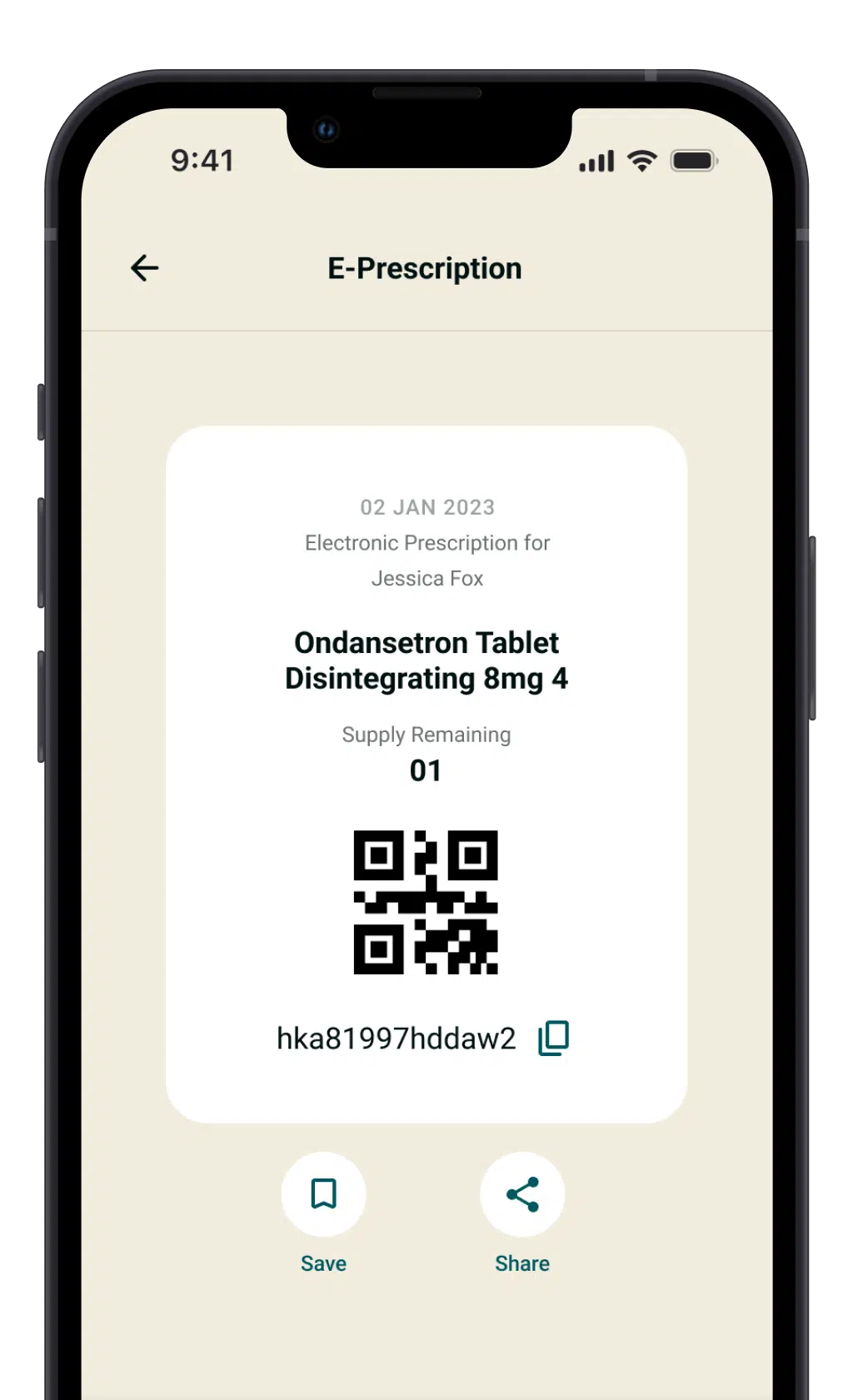
See a Aussie GP online, available 24/7
Download the app today.


Related Articles

Understanding Acne -Causes, Symptoms And Treatments
Understanding Acne┬áÔÇô Causes, Symptoms And Treatments Understanding Acne – Causes, Symptoms and Treatments Written by...
Rosacea – Symptoms, Causes, And Treatment
Rosacea ÔÇô Symptoms, causes, and Treatment Written by Sai Pragna Chagarla, Staff Writer ÔÇô Hola...

Disclaimer
This blog is for general informational purposes only and does not indicate that Hola Health provides all treatments or preventive measures mentioned. It is not intended to be a substitute for professional medical advice. Always seek the guidance of your doctor or other qualified health professional with any questions you may have regarding your health or a medical condition. For emergencies please immediately contact 000. Any medical topics discussed are intended to educate, not to imply availability through Hola Health.