

Understanding Eczema – Types, Causes, Symptoms, And Management
Contents
 Facebook
  X
X  Copy Link
Overview
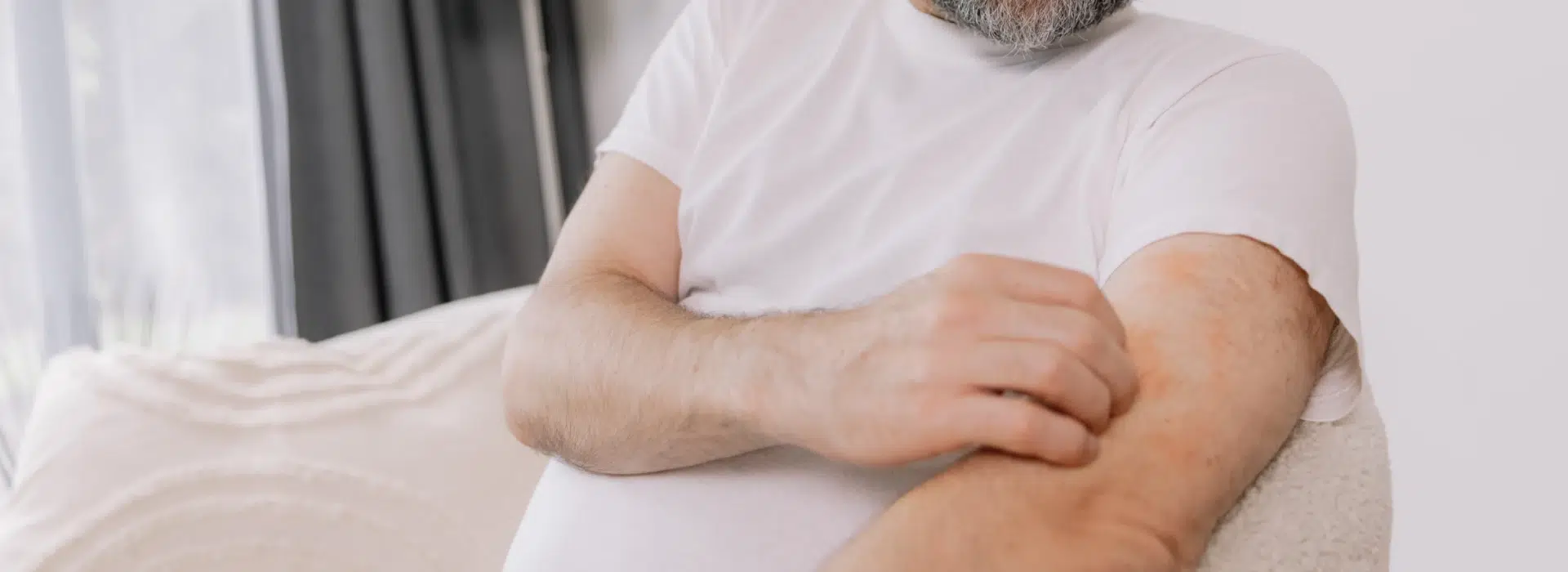
Eczema, also known as atopic dermatitis, is a chronic inflammatory skin condition that leads to dry, itchy, and red patches on the skin. It can affect both children and adults and commonly appears on the face, arms, legs, and other areas of the body. Understanding the different types of eczema, identifying triggers for flare-ups, recognising common symptoms, and knowing available treatment options can help you manage the condition effectively and maintain better skin health.
Note: The content of this blog is for informational purposes only and does not replace professional medical diagnosis, advice, or treatment.
Types of eczema
| Type | Key feature | Typical location | Notes |
| Atopic dermatitis | Chronic, itchy, inflamed | Face, neck, hands, inner elbows, behind knees | Often linked to allergies and asthma |
| Contact dermatitis | Triggered by irritants or allergens | Hands, arms, legs | Can be acute or chronic |
| Seborrheic dermatitis | Red, flaky patches | Scalp, face (around nose/eyebrows), chest | Often called “cradle cap” in infants |
| Dyshidrotic eczema | Small blisters | Hands and feet | Often triggered by stress or moisture |
| Nummular eczema | Coin-shaped lesions | Arms, legs | Can be triggered by dry skin or injury |
| Stasis dermatitis | Poor circulation | Lower legs | Often seen in older adults |
Causes and triggers of eczema
Eczema flare-ups may be triggered or worsened by a combination of genetic, environmental, and lifestyle factors:
- Genetic factors – a family history of eczema, asthma, or allergies
- Immune system sensitivity – an overactive immune response leads to inflammation
- Environmental triggers – pollen, dust mites, pet dander, and weather changes
- Skin irritants – soaps, detergents, harsh chemicals, and fragrances
- Stress and emotional factors – can worsen flare-ups
- Lifestyle & hygiene – frequent hot showers, dry skin, and low humidity
- Other factors – infections, hormonal changes, and certain medications
Symptoms of eczema
Eczema symptoms can vary from person to person but commonly include:
- Dry, flaky skin
- Severe itching
- Red or inflamed patches
- Thickened or leathery skin in chronic cases
- Small bumps or blisters
- Crusting, oozing, or signs of infection in severe cases
- Sleep disruption due to itching
Treatment and management of eczema
At-home care & lifestyle measures
The following daily habits can help support skin health and reduce the frequency of eczema flare-ups:
- Gentle cleansing using mild, fragrance-free soaps
- Regular application of moisturisers with barrier-repair ingredients
- Avoid scratching and keep nails trimmed
- Identify and avoid triggers such as allergens and irritants
- Use a humidifier in dry environments
Note: This information is for educational purposes only. Consult a GP before trying home remedies to ensure they are appropriate for your condition.
Over-the-counter remedies
Several non-prescription options may help relieve mild to moderate eczema symptoms:
- Mild corticosteroid creams for flare-ups
- Antihistamines to help reduce itching
- Barrier creams and emollients to protect and hydrate the skin
Prescription treatments (GP or dermatologist)
If symptoms are persistent or severe, a healthcare professional may recommend:
- Stronger corticosteroids or topical immunomodulators
- Oral antihistamines or medications for severe flare-ups
- Antibiotics if a secondary infection is present
- Phototherapy for chronic or widespread eczema
Preventative measures
Establishing consistent skincare routines and healthy habits can help minimise flare-ups:
- Maintain a regular skincare routine
- Wear protective clothing or gloves when exposed to irritants
- Incorporate stress management techniques
When to see a doctor / GP
Consult a doctor if you experience any of the following:
- Eczema that is severe or persists despite over-the-counter treatment
- Signs of infection such as pus, increased redness, swelling, or fever
- Symptoms that interfere with sleep or daily activities
- Frequent flare-ups even after avoiding known triggers
- Widespread or painful eczema in children or adults
Note: Seek immediate medical attention or visit the nearest Emergency Department if you develop a high fever, chills, rapidly spreading redness, or feel generally unwell.
How Hola Health can help
Access to professional medical support can help manage eczema more effectively. Telehealth services provide convenient options for assessment, treatment, and ongoing care.
- Online GP consultations for eczema evaluation
- Electronic prescriptions for creams, ointments, or oral treatments where clinically appropriate
- Referral to dermatologists if required
- Advice on managing triggers and prevention strategies
- Telehealth follow-up appointments to monitor progress
- Medical certificates if eczema impacts work or study
Note: While telehealth is suitable for initial assessment and management, an in-person examination or diagnostic testing may be necessary if symptoms are severe or signs of infection are present.
Conclusion
Eczema is a common and manageable skin condition when its types, triggers, and symptoms are well understood. With a combination of appropriate skincare, medical treatment, and professional guidance, most people can achieve good symptom control. If eczema persists or significantly affects your quality of life, consulting a GP or dermatologist can help you access personalised care and effective treatment options.
FAQs
What causes eczema to flare up?
Eczema flare-ups can be triggered by allergens, irritants, stress, dry skin, weather changes, or infections.
Can eczema be cured permanently?
No, eczema is a chronic condition, but symptoms can be effectively managed and reduced with proper treatment and lifestyle adjustments.
Are natural remedies effective for eczema?
Some gentle approaches, such as regular moisturising and avoiding irritants, may help, but it is best to consult a GP before trying new remedies.
How can I prevent eczema flare-ups?
Keeping your skin well-moisturised, avoiding known triggers, and maintaining a consistent skincare routine can help prevent flare-ups.
Can I obtain prescription creams online in Australia?
Yes, through telehealth GP consultations, you may be assessed for eczema treatments. Prescriptions are provided based on clinical suitability at the doctor’s discretion.
See a Aussie GP online, available 24/7
Download the app today.


Related Articles

Understanding Acne -Causes, Symptoms And Treatments
Rosacea – Symptoms, Causes, And Treatment
Disclaimer
This blog is for general informational purposes only and does not indicate that Hola Health provides all treatments or preventive measures mentioned. It is not intended to be a substitute for professional medical advice. Always seek the guidance of your doctor or other qualified health professional with any questions you may have regarding your health or a medical condition. For emergencies please immediately contact 000. Any medical topics discussed are intended to educate, not to imply availability through Hola Health.