

Telehealth for men's health: Addressing concerns from anywhere

Contents
 Facebook
  X
X  Copy Link
Overview
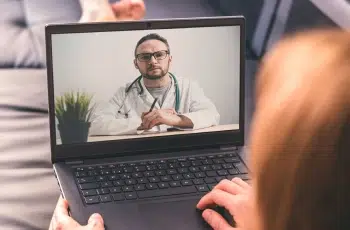
Telehealth enables men to get healthcare services remotely via phone or video consultations with trained healthcare providers. This strategy allows men to obtain medical advice without having to attend a clinic in person. Telehealth can be especially useful for discussing delicate health issues because it provides a more private and convenient setting.
Note: The content of this blog is for informational purposes only and does not replace professional medical diagnosis, advice, or treatment.
How common are men’s health issues in Australia?
Men in Australia face a variety of health challenges that can significantly affect their overall well-being. According to national health data, men are more prone than women to have diseases such as heart disease, high blood pressure, and mental health issues. Despite this, many men are less inclined to seek regular medical treatment. Improving access to healthcare services, particularly telemedicine, can help men address health issues earlier.
Why do many men delay seeking medical care
Several reasons lead men to postpone or skip doctor's appointments.
- Feeling uncomfortable about disclosing personal or sensitive health concerns.
- Believing that symptoms are not significant enough to warrant medical attention.
- Busy job schedules or little time for appointments.
- Discomfort with clinical situations.
- Cultural or societal expectations for masculinity and self-reliance
These circumstances often lead men to postpone seeking care, which can worsen their health over time.
Telehealth vs in-person visits for men’s health
| Telehealth consultations | In-person consultations |
| Conducted through phone or video calls | Conducted face-to-face in a clinic |
| Convenient and accessible from home | Requires travel to a healthcare facility |
| Suitable for discussing many health concerns | Necessary for physical examinations |
| Offers greater privacy for sensitive topics | Allows direct clinical assessment |
Both consultation approaches have vital functions in healthcare. Telehealth offers convenience and accessibility, yet in-person visits are still required for physical examinations, diagnostic testing, and some treatments.
Men’s health services available through telehealth
Telehealth consultations provide men with access to a wide range of healthcare services.
- General health appointments with a general practitioner
- Mental health plan help and counselling
- Medication review and repeat prescriptions
- Lifestyle and preventative health recommendations
- Specialist referrals
- Follow-up care for current health concerns
These programs allow men to maintain their health more conveniently.
Common men’s health concerns discussed in telehealth consultations
Telehealth consultations can address a variety of men's health issues.
- Erectile dysfunction and sexual health issues.
- Stress, Anxiety, or Depression
- Fatigue or sleep issues
- Hair loss concerns
- Weight control and lifestyle concerns.
- Minor infections or overall health problems
Some conditions, such as sudden-onset erectile dysfunction or unusual hair loss, may require in-person blood tests or physical exams to rule out underlying systemic conditions.
Benefits of telehealth for men’s health
Telehealth offers several benefits for men seeking treatment.
- Increased privacy while discussing sensitive health topics
- Convenience and flexibility while arranging appointments
- Reduced travel time and expenditures.
- Improved access to healthcare specialists.
- Improved accessibility for guys living in rural or distant locations.
These benefits may motivate men to seek treatment sooner rather than later.
When men should visit a doctor in person
Although telemedicine is effective for many consultations, some medical conditions necessitate an in-person examination. A physical examination or diagnostic tests may be required to make a proper diagnosis and plan therapy.
Men should consider going to the doctor in person if:
- Symptoms are strong and intensifying.
- Physical examination is necessary.
- Diagnostic testing, such as blood tests or imaging, is required.
- There are symptoms of severe sickness.
- Medical procedures or treatments must be completed at a clinic.
In such circumstances, healthcare providers may suggest an in-person appointment.
How telehealth consultations for men’s health work
Telehealth consultations often follow a clear approach.
- A patient schedules an online or phone appointment with a healthcare professional.
- The consultation is held on the appointed date and time by phone or video call.
- The doctor inquires about symptoms, lifestyle, and medical history.
- Medical advice and treatment choices are discussed.
- Prescriptions, referrals, and follow-up visits may be scheduled.
This technique enables men to obtain expert healthcare advice without leaving their homes.
Prescriptions and referrals through telehealth
Doctors can provide electronic prescriptions where clinically appropriate following a thorough medical assessment. A prescription is not a guaranteed outcome of a consultation.
- Electronic prescriptions
- Referrals to specialists for further management.
- Medical certifications, if necessary
- Follow-up appointments to track therapy progress.
These services ensure that patients receive proper treatment, even while consulting remotely.
Mental health support for men through telehealth
Stress, anxiety, and depression are common mental health issues for males. Telehealth consultations provide men with a safe and convenient option to discuss their emotional well-being with healthcare specialists. Remote consultations allow men to obtain mental health examinations, counselling assistance, and referrals to psychologists or other professionals as needed.
Limitations of telehealth for men’s health care
Although telehealth has numerous advantages, it also has certain drawbacks.
- Physical examination cannot be done remotely.
- Certain conditions necessitate diagnostic tests or medical treatments.
- Access to a stable internet connection or devices may be necessary.
- Serious or emergency health concerns necessitate in-person care.
Due to these limitations, telehealth is most effective when used alongside traditional healthcare services.
Encouraging men to take a proactive approach to health
Regular health screenings and early action are critical to ensuring long-term well-being. Men are recommended to seek medical attention as soon as symptoms arise, rather than waiting for them to worsen. Telehealth services make it simpler for men to get healthcare and can help them be more proactive in maintaining their health.
Tips for men using telehealth services
To prepare for a telemedicine appointment, it might be beneficial to:
- Choose a calm and secluded spot for your appointment.
- Maintain a consistent phone or internet connection.
- Write down symptoms and queries ahead of time.
- Keep information regarding drugs and medical history accessible.
- Be upfront and honest while addressing health issues.
These methods can help healthcare practitioners provide more accurate advice and treatment.
How Hola Health can help
Hola Health provides accessible telehealth services, allowing men across Australia to connect with healthcare providers online. Patients can discuss health issues and access medical consultations for the management of health issues from the comfort of their homes through secure digital consultations.
Services offered by Hola Health include:
- Online GP Consultations
- Electronic prescriptions
- Specialist referrals
- Medical certificates
- Follow-up care and continuous assistance.
These services make healthcare more comfortable and accessible.
Conclusion
Telehealth has made it easier for men to access healthcare services and discuss sensitive health issues without visiting a clinic. Telehealth, which allows for remote consultations with healthcare specialists, provides a convenient and discreet way to get medical advice and treatment.
As digital healthcare expands, telehealth is expected to play an increasingly essential role in men's health. Seeking prompt medical advice, whether via telehealth or in-person treatment, can help detect health issues early and enhance overall well-being.
FAQs
Can men discuss delicate health issues with telehealth?
Yes, telemedicine consultations provide a confidential setting for men to discuss sensitive health concerns with healthcare specialists.
Can telehealth doctors prescribe medication for men’s health issues?
Doctors may provide prescriptions through telehealth when clinically appropriate.
Is telehealth suitable for mental health support for men?
Yes, telehealth can connect men with healthcare professionals who provide mental health support and referrals to specialists when needed.
When should men see a doctor in person instead of using telehealth?
Men should visit a doctor in person if symptoms require physical examination, diagnostic tests, or urgent medical attention.
Is telehealth covered by Medicare in Australia?
Medicare may cover some telehealth consultations depending on eligibility and the type of healthcare service provided.
See a Aussie GP online, available 24/7
Download the app today.


Related Articles


Disclaimer
This blog is for general informational purposes only and does not indicate that Hola Health provides all treatments or preventive measures mentioned. It is not intended to be a substitute for professional medical advice. Always seek the guidance of your doctor or other qualified health professional with any questions you may have regarding your health or a medical condition. For emergencies please immediately contact 000. Any medical topics discussed are intended to educate, not to imply availability through Hola Health.