

Understanding Persistent Cough

Contents
 Facebook
  X
X  Copy Link
Summarise with AI:
 ChatGpt
  Google AI Mode
  Perplexity
  Claude
 Talk to an AHPRA GP for telehealth GP advice or med cert in minutes.
Overview
A persistent or chronic cough is a cough that continues long after a cold or flu has cleared up. While a normal cough from a cold settles fairly quickly, a persistent cough goes on beyond what’s considered typical and may point to something more than a simple infection. It can affect both adults and children, and understanding when a cough is more than “just a cough” is important for getting the right treatment.Types of cough based on duration
| Type | Duration | Notes |
| Acute | Less than 3 weeks | Usually caused by viral infections |
| Subacute | 3–8 weeks | Often, a post-viral cough |
| Chronic | More than 8 weeks | Needs GP evaluation, persistent cough = chronic cough |
Causes of a persistent cough
There are several possible reasons why a cough may continue longer than expected.- Post-viral cough: It’s quite common for a cough to persist after the flu, a cold, COVID-19, or other respiratory infections. Even after recovering fully, the cough can continue for some time.
- Asthma: In Australia, asthma is one of the most common causes of a persistent cough. It often occurs alongside chest tightness, wheezing, or coughing at night.
- Allergies and postnasal drip: Hay fever, dust mites, mould, and other allergens can cause postnasal drip, which irritates the airways and triggers a dry cough.
- Gastroesophageal reflux (GORD): Stomach acid flowing back into the throat can irritate the airways and contribute to a long-lasting cough, particularly after meals or when lying down.
- Smoking or vaping: Tobacco smoke and vaping products irritate the airways and can lead to a chronic cough over time.
- Environmental irritants: In Australia, pollution, bushfire smoke, chemical fumes, and dust can aggravate or worsen a persistent cough.
- Chronic respiratory conditions: Long-term lung diseases such as Chronic Obstructive Pulmonary Disease (COPD) or chronic bronchitis are often linked to smoking and may cause ongoing coughing.
- Medication-related cough: Certain medications, including some blood pressure drugs such as ACE inhibitors, may cause a persistent dry cough.
- Whooping cough (pertussis): During outbreaks, pertussis can cause intense, prolonged coughing episodes that may last for weeks.
Symptoms
A persistent cough is often accompanied by other symptoms, depending on the underlying cause.- Wheezing
- Shortness of breath
- Chest tightness
- Hoarse voice
- Heartburn (if related to GORD)
- Nasal congestion or postnasal drip
- Cough that worsens at night


Diagnosed
Diagnosis is guided by the duration of the cough, associated symptoms, and potential triggers. Your GP may suggest a range of investigations to help identify the underlying cause.- Chest X-ray or CT scan
- Spirometry (for asthma)
- Allergy testing
- Respiratory swabs (for COVID-19, RSV, or flu)
- Full blood count
- Evaluation for reflux
- Review of smoking or vaping history
- Review of current medications
Treatment options
Effective relief depends on the underlying cause, as there’s no one-size-fits-all approach. Treatment options may vary based on the diagnosis.- Inhalers for asthma
- Antihistamines for allergies
- Nasal sprays for postnasal drip
- Reflux medications if GORD is involved
- Cough suppressants (in select cases only)
- Antibiotics only if a bacterial infection is confirmed
- Avoiding triggers such as smoke, dust, or cold air
Home remedies
Home treatments can help ease irritation and support recovery, though they should be used as supportive care rather than a cure.- Staying well hydrated
- Warm drinks with a spoon of honey (not suitable for children under 1 year)
- Using a humidifier
- Steam inhalation
- Avoiding smoking and vaping
- Elevating your head during sleep
- Avoiding strong fragrances and irritants
Persistent cough in children
In children, a persistent cough often follows a viral illness, but it may also be linked to asthma, allergies, or conditions such as pertussis. If a child’s cough continues or is associated with difficulty breathing, feeding, or sleeping, or if there is a history of choking, a medical review is important. Early diagnosis is especially crucial in young children.When to see a GP
You should seek medical advice promptly if you experience any of the following symptoms.- Cough lasting more than 8 weeks
- Cough accompanied by fever or chest pain
- Coughing up blood
- Shortness of breath
- Unexplained weight loss
- Night sweats
- If you are pregnant or immunocompromised
- Persistent cough in children under 5 years
How Hola Health services can help
If visiting a doctor in person is difficult, online or telehealth services can provide convenient access to care.- Online GP consultations
- Prescriptions for asthma, allergy, or reflux treatments
- Providing referrals for imaging or further tests if required
- Issuing medical certificates for work or school
- Follow-up care if symptoms don’t improve
Conclusion
A cough is usually your body’s way of clearing irritants, but one that lasts for weeks deserves attention. With triggers such as bushfire smoke and allergies, persistent coughs are common in Australia, but they can also signal underlying health conditions. If your cough lasts longer than eight weeks or is accompanied by concerning symptoms, seeing a doctor is important to identify the cause and receive appropriate treatment.FAQs
How long does a post-viral cough last?
A post-viral cough usually lasts a few weeks and can persist for up to 3–8 weeks. If it continues beyond 8 weeks, it may be considered a persistent cough.Can allergies cause a chronic cough?
Yes. Allergies can cause postnasal drip, which irritates the throat and contributes to a chronic cough.When is a persistent cough a sign of asthma?
A cough accompanied by wheezing, chest tightness, or shortness of breath may indicate asthma.Does a chronic cough always mean lung disease?
Not always. Most chronic coughs are caused by treatable conditions such as allergies, acid reflux, or post-viral irritation. However, ongoing coughing should still be evaluated to rule out more serious causes.Can stress or anxiety cause coughing?
Stress or anxiety can worsen throat irritation, but any cough lasting longer than 8 weeks requires proper medical evaluation.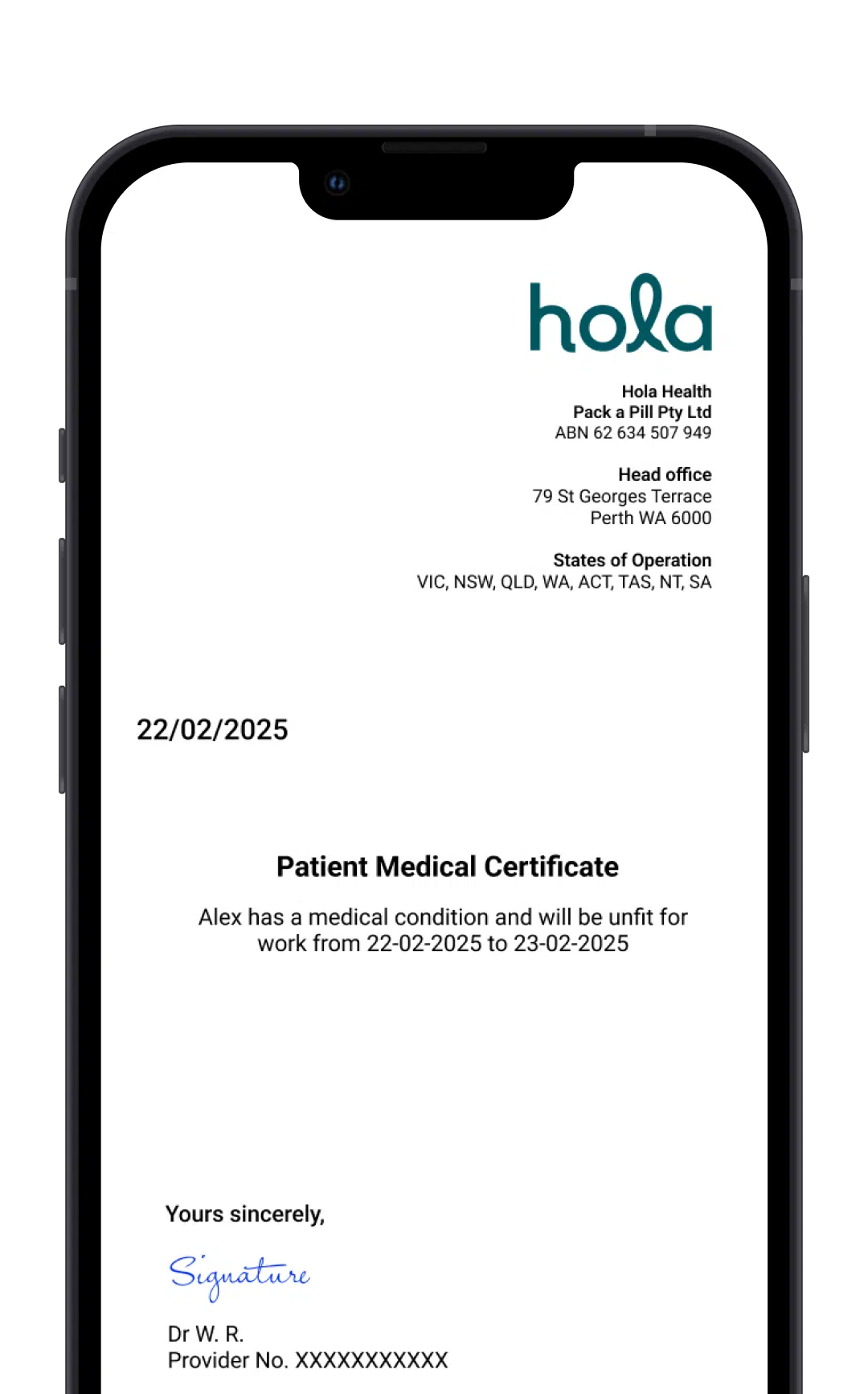
See a Aussie GP online, available 24/7
Download the app today.


Related Articles


Disclaimer
This blog is for general informational purposes only and does not indicate that Hola Health provides all treatments or preventive measures mentioned. It is not intended to be a substitute for professional medical advice. Always seek the guidance of your doctor or other qualified health professional with any questions you may have regarding your health or a medical condition. For emergencies please immediately contact 000. Any medical topics discussed are intended to educate, not to imply availability through Hola Health.