

Morning after pill: What is it & how it works

Contents
 Facebook
  X
X  Copy Link
Summarise with AI:
 ChatGpt
  Google AI Mode
  Perplexity
  Claude
 Talk to an AHPRA GP for telehealth GP advice or med cert in minutes.
Overview
The morning-after pill is a type of emergency contraception that helps prevent pregnancy following unprotected intercourse or contraceptive failure. It is safe, commonly used in Australia, most effective when taken promptly, and does not cause termination of pregnancy or impact an existing pregnancy.How does the morning-after pill work?
This section describes how the pill works to stop or delay ovulation. The morning-after pill functions by preventing or postponing the release of an egg, preventing fertilisation by sperm. The pill:- Postpones ovulation
- Stops the release of an egg
- Does not impact an existing pregnancy
- Does not induce miscarriage
When should you take it? (timing matters)
Early intake of the pill enhances its efficiency:- Take it as soon as you can
- Ideally taken within 24 hours
- Effective for up to 3–5 days, depending on the type
- Earlier intake translates to higher effectiveness
How effective is the morning-after pill?
This segment highlights success rates along with the factors that influence its efficiency.- Levonorgestrel (LNG): 85–98% efficacy based on how soon it’s taken
- Ulipristal acetate (UpA): up to 99% if administered within 5 days
Is it safe?
The morning-after pill is generally deemed safe for the majority of individuals, used globally, and it does not impact future fertility.

Possible side effects
You may encounter mild, temporary side effects like:- Nausea
- Headaches
- Spotting
- Temporary changes in menstrual cycles
- Mild discomfort in the lower abdomen
When it may not work well
Here are some circumstances where the pill’s effectiveness could be diminished.- If ovulation has already happened
- Certain medications can lower the effectiveness
- Higher BMI (LNG may be less effective)
- Vomiting within 2 hours after taking it
When not to rely on the morning-after pill
There are some scenarios where relying on emergency contraception isn’t the best or safest alternative.- As a regular contraceptive method
- If menstrual cycles are very irregular
- If unprotected intercourse was over 5 days ago
What to do after taking it
Here’s what to anticipate and how to safeguard yourself afterwards.- Your subsequent period might arrive earlier or later than expected
- Utilise condoms until your next menstrual cycle
- Take a pregnancy test if your period is over a week late
- Initiate or switch to long-term contraception if necessary
When to see a doctor
Here, you will learn when particular symptoms or delays warrant medical advice.- Vomiting shortly after taking it
- Severe abdominal or pelvic discomfort
- Period delayed by more than a week
- Positive pregnancy test result
- Concerns regarding ongoing contraception
How Hola Health can help
This section illustrates how you can access swift, private GP support for contraception. Hola Health provides same-day telehealth GP consultations to assist you with emergency contraception, prescribe ongoing birth control, and aid in selecting long-term contraceptive options. All consultations are confidential and available throughout Australia.Conclusion
The morning-after pill is a safe and effective way to prevent pregnancy when taken early. Understanding how it works, when to use it, and what to expect can help you feel confident and in control. If you’re unsure or need long-term contraception, a GP can guide you safely.FAQs
Can I use the morning-after pill multiple times?
Yes, but it should not serve as a standard method of contraception.Will the morning-after pill postpone my period?
Yes, your next period may arrive earlier or later than normal.Does it guard against STIs?
No, it solely prevents pregnancy.Can teenagers access it in Australia?
Yes, it is available over the counter without age limitations.Can breastfeeding mothers take it?
Yes, but ulipristal acetate (UPA) may require a temporary halt in breastfeeding.What if I vomit after taking it?
If you vomit within 2 hours, you might need to take another dose—consult a GP or pharmacist.
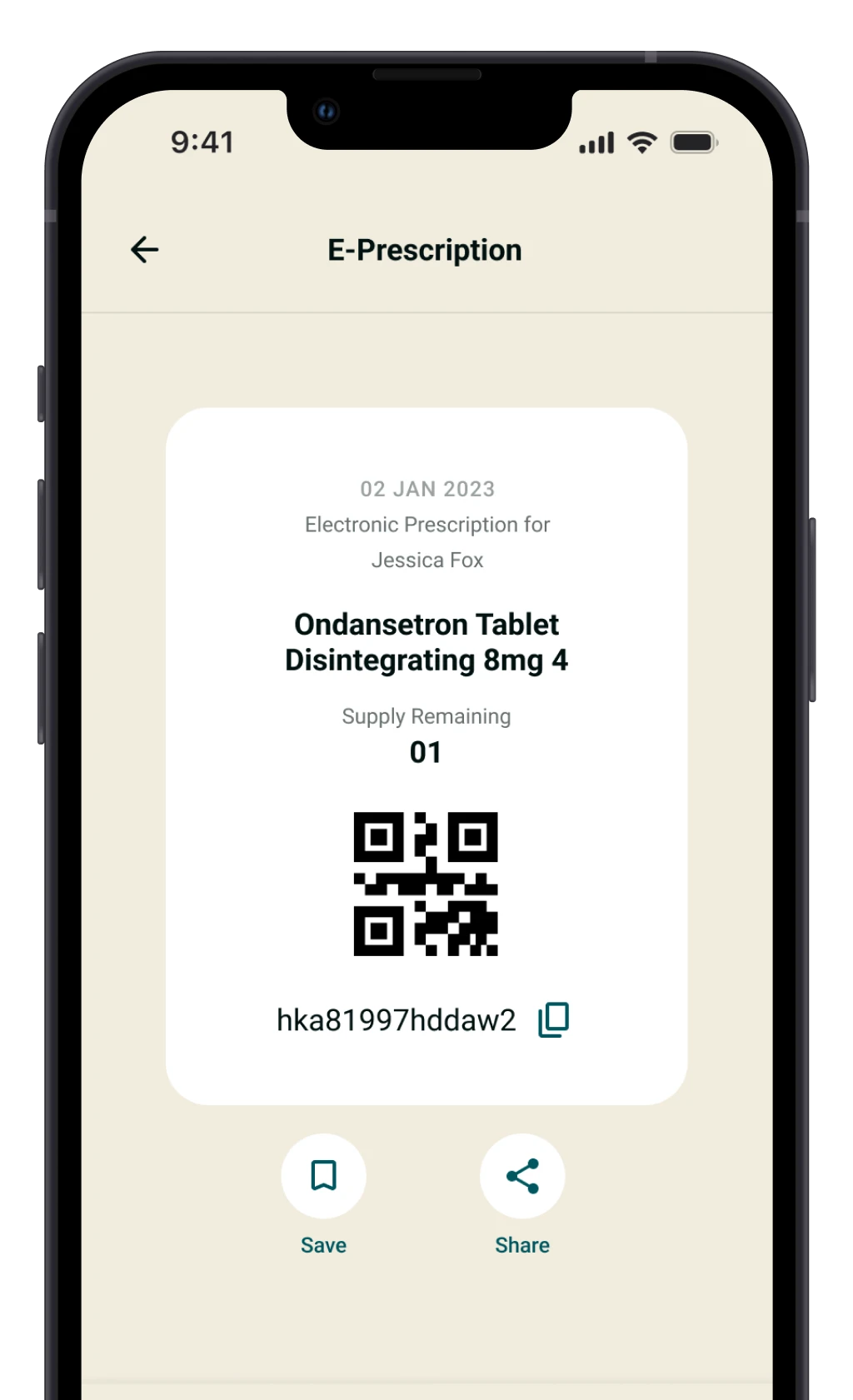
See a Aussie GP online, available 24/7
Download the app today.


Related Articles



Disclaimer
This blog is for general informational purposes only and does not indicate that Hola Health provides all treatments or preventive measures mentioned. It is not intended to be a substitute for professional medical advice. Always seek the guidance of your doctor or other qualified health professional with any questions you may have regarding your health or a medical condition. For emergencies please immediately contact 000. Any medical topics discussed are intended to educate, not to imply availability through Hola Health.