

Perinatal depression: Symptoms, risks and treatment


Contents
 ChatGpt
  Google AI Mode
  Perplexity
  Claude
 This blog is for educational purposes only and does not replace professional medical advice or diagnosis. If you have health concerns, consult an AHPRA-registered telehealth doctor or request a medical certificate online if clinically appropriate. Please note: Hola Health does not currently offer Mental Health Care Plans.
Overview
Perinatal mental health has an impact on mothers and infants during pregnancy and after childbirth. Poor mental health can cause emotional distress, create challenges in bonding, and lead to developmental issues. Timely identification, self-care, and strong support from partners, family, and professionals are essential. Seeking help through mental health care plan options can improve outcomes and support the well-being of both mother and child. Perinatal depression is a serious mental health condition that affects many women during pregnancy or after giving birth. It affects around 1 in 7 mothers and 1 in 10 fathers or partners. Often overlooked and underdiagnosed, it can have a significant impact on both the mother’s health and the child’s development. The perinatal period—covering pregnancy and the first year after childbirth—can be emotionally and physically demanding. When depression occurs during this time, it may affect a mother’s ability to bond with her baby, manage daily responsibilities, and care for herself. Recognising symptoms early and understanding available treatments is essential for effective support. Note: The content of this blog is for informational purposes only and does not replace professional medical diagnosis, advice, or treatment.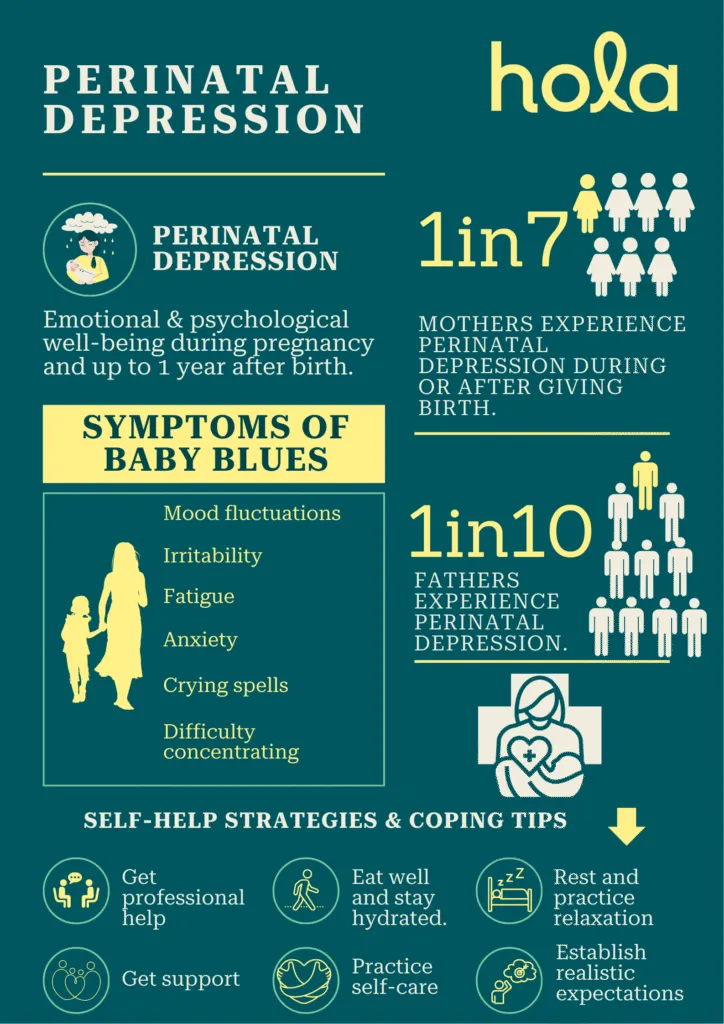
What is perinatal mental health?
Perinatal mental health refers to the emotional and psychological well-being of a mother during pregnancy and up to one year after childbirth. This phase often involves significant emotional changes due to hormonal shifts, lifestyle adjustments, and new responsibilities. Common conditions include anxiety, depression, postnatal depression (PND), and postpartum psychosis. If left untreated, these conditions can affect both the mother and the baby, impacting bonding, infant development, and overall family health. Early identification, support from loved ones, and professional care can help ensure a healthier and more positive experience.Perinatal mental health conditions
The two most common perinatal mental health conditions are:-
Perinatal depression:
Characterised by persistent sadness, hopelessness, and loss of interest in daily activities, including caring for oneself or the baby. It affects approximately 15–20% of mothers in high-income countries, with higher rates reported in low- and middle-income regions. -
Perinatal anxiety:
Involves excessive worry, fear, or nervousness, often related to the baby’s health or parenting ability. It can interfere with daily functioning and emotional well-being.
- Peripartum depression: Occurs during pregnancy and up to one year after childbirth, including both antenatal and postnatal phases.
- Postpartum depression: Develops after childbirth, usually within the first few weeks to months, focusing only on the post-delivery phase.
Symptoms of the “baby blues”
The “baby blues” are a common emotional experience after childbirth, usually lasting a few days to two weeks due to hormonal changes and adjustment to motherhood.- Mood fluctuations: Sudden emotional highs and lows.
- Irritability: Increased frustration or feeling overwhelmed.
- Fatigue: Extreme tiredness and difficulty resting.
- Anxiety: Worry about the baby or parenting abilities.
- Crying spells: Frequent or unexplained crying.
- Difficulty concentrating: Trouble focusing or memory lapses.
Effect on mothers and babies
Poor mental health during the perinatal period can lead to serious repercussions for both mothers and their infants. Conditions such as maternal depression, anxiety, or other mental health issues during pregnancy and after childbirth can affect emotional wellness, physical health, and attachment to the baby.- Effects on mothers: There is a heightened risk of experiencing postpartum depression, anxiety, and challenges in managing day-to-day tasks. It can also result in sleep disturbances, decreased self-esteem, and, in extreme cases, suicidal ideation.
- Effects on babies: Maternal mental health issues can influence fetal growth, potentially resulting in low birth weight, early deliveries, or feeding problems. It may also interfere with initial bonding, raising the likelihood of emotional and behavioural difficulties during childhood.
Key risk factors and triggers
Various risk factors and triggers can influence perinatal mental health challenges, affecting both mothers and babies.- Biological factors: Changes in hormones, a history of mental health issues, or complications during pregnancy and delivery.
- Psychological factors: High-stress levels, low self-worth, past traumatic experiences, or previous pregnancy loss.
- Social factors include insufficient support, high stress from family or partners, conflicts in relationships, financial strain, and feelings of isolation.
- Lifestyle factors: Inadequate sleep, poor dietary choices, substance abuse, or insufficient physical activity.
- Medical factors: Chronic illnesses, difficult labour experiences, premature births, or caring for a baby with special needs.
Management options
Recognising and addressing perinatal mental health challenges is essential for both maternal and infant health. Detecting these issues early can avert complications such as severe postpartum depression, anxiety, and bonding difficulties. Without adequate support and management, these challenges may hinder a mother's ability to care for herself and her child, resulting in long-lasting emotional and developmental issues. Prompt action, which includes counselling, medical assistance, and community support, can enhance outcomes, ensuring a smoother transition to motherhood. By tackling perinatal mental health problems early on, mothers can receive the necessary help, minimising risks and encouraging a positive start for both themselves and their babies. Prompt identification and management of perinatal mental health challenges are critical for both mother and child. Sufficient support can ward off complications, strengthen bonds, and encourage long-lasting well-being for the entire family.Self-help and coping
Managing perinatal mental health is vital for both mother and infant. Self-help techniques and coping strategies can assist in maintaining emotional health and alleviating stress.- Focus on self-care: Make sure to get enough sleep, eat healthily, stay hydrated, and engage in regular exercise.
- Maintain connections: Reach out to friends, family, or support groups to prevent isolation and build emotional support.
- Practice relaxation methods: Incorporate deep breathing, meditation, yoga, or mindfulness to cope with stress.
- Engage in pleasurable activities: Allocate time for hobbies, music, reading, or outdoor walks to elevate your spirits.
- Keep a journal: Documenting feelings can aid in processing emotions and diminish anxiety.
- Set achievable goals: Understand that parenting poses challenges and perfection isn't a requirement.
- Reduce stressors: Lower overwhelming responsibilities, delegate tasks, and take necessary breaks.
- Educate yourself: Learn about perinatal mental health to identify symptoms and effective coping methods.
- Seek professional assistance when necessary: If your emotions become too much to handle, talk to a doctor, therapist, or counsellor.
How partners, family and friends can help
Support from friends, family, and partners is vital for a mother’s mental well-being during the perinatal period. Their understanding and encouragement can alleviate stress and enhance emotional health.- Provide emotional support: Listen empathetically, acknowledge her feelings, and offer reassurance.
- Assist with daily responsibilities: Help with household tasks, meal preparation, and caring for the baby to lighten her load.
- Promote self-care: Encourage her to rest, maintain a healthy diet, and take time for relaxation.
- Exercise patience and empathy: Mood fluctuations are normal; respond with compassion and refrain from criticising.
- Stay knowledgeable: Educate yourself about perinatal mental health to identify warning signs and provide suitable support.
- Encourage professional help if necessary: If symptoms continue, gently recommend seeking medical or therapeutic assistance.
Seeking support with a mental health care plan
In Australia, a Mental Health Care Plan allows access to subsidised mental health services through Medicare. To obtain one, consult a GP, who will evaluate your mental health and formulate a plan specific to your requirements. This enables you to access up to 10 subsidised sessions per year with psychologists, counsellors, or therapists. Numerous providers also offer telehealth services for greater accessibility. Additional resources are provided through Employee Assistance Programs (EAPs), community organisations, and online platforms. Pursuing assistance via a Mental Health Care Plan can make professional services more affordable and reachable, ensuring you receive the necessary support for improved well-being. Perinatal depression is a serious but manageable condition. Early identification and intervention through medication, counselling, support, and lifestyle changes can greatly enhance the well-being of both the mother and the child. By encouraging conversations about perinatal depression and offering sufficient resources, we can help mothers overcome this difficult phase and ensure better health outcomes for themselves and their children.Sources & references
- The cost of perinatal depression and anxiety in Australia - reference link
- Perinatal mental health screening in Australia - reference link
Disclaimer
This blog is for general informational purposes only and does not indicate that Hola Health provides all treatments or preventive measures mentioned. It is not intended to be a substitute for professional medical advice. Always seek the guidance of your doctor or other qualified health professional with any questions you may have regarding your health or a medical condition. For emergencies please immediately contact 000. Any medical topics discussed are intended to educate, not to imply availability through Hola Health.
Note: At Hola Health, we're committed to offering trustworthy, accurate and up-to-date health information. Our Editorial Process entails thorough research, fact- checking, and medical review by doctors in diverse health fields, including medical practitioners, doctors, and psychotherapists based in Australia. We take guidance from qualified Australian doctors. We prioritise primary sources and avoid tertiary references wherever possible.
See a Aussie GP online, available 24/7
Download the app today.