

Heartburn, Acid Reflux, or GORD: What's the Difference?

Contents
 Facebook
  X
X  Copy Link
Overview
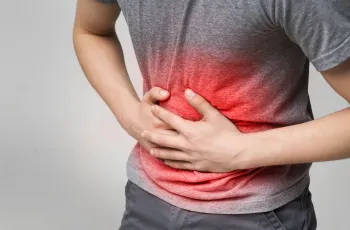
A significant number of people in Australia experience digestive problems, including a burning feeling in the chest, a sour taste in the mouth, or discomfort in the upper stomach. Although terms such as heartburn, acid reflux, and GORD are often used interchangeably, they each have distinct meanings. Grasping the distinctions can help you recognise symptoms early and determine when to consult a GP.What is heartburn?
Heartburn is a symptom rather than a medical diagnosis. It describes a burning or heating sensation felt behind the breastbone, typically occurring after meals or while lying down. This sensation arises when stomach acid irritates the lining of the oesophagus, leading to discomfort that may feel sharp or constricted.What is acid reflux?
Acid reflux takes place when stomach acid flows back into the oesophagus. This backward flow of acid is also referred to as gastro-oesophageal reflux (GOR). It can happen occasionally in healthy individuals, especially after consuming large meals, spicy food, or alcohol, and doesn’t always indicate a persistent problem. Note: The content of this blog is for informational purposes only and does not replace professional medical diagnosis, advice, or treatment.What is GORD?
Gastro-oesophageal reflux disease (GORD) is a more severe or chronic form of acid reflux. It is diagnosed when reflux symptoms occur frequently, persist over time, or result in complications. GORD is a widespread condition in Australia and often necessitates medical intervention rather than just occasional self-care.Heartburn vs acid reflux vs GORD
| Term | What it means | Severity | Examples |
| Heartburn | A symptom (burning chest feeling) | Mild–moderate | After spicy food or lying down |
| Acid reflux | Stomach acid moving up into the oesophagus | Mild–moderate | Occasional regurgitation |
| GORD | Chronic, ongoing reflux disease | Moderate–severe | Frequent symptoms needing treatment |
Common symptoms
-
Symptoms of heartburn
- Burning pain located in the chest
- A bitter or sour taste is present in the mouth
- Discomfort following meals
-
Symptoms of acid reflux
- Heartburn
- Regurgitation of food or fluids
- Burping
- Throat irritation
-
Symptoms of GORD
- Frequent heartburn
- Chronic cough
- Difficulty in swallowing
- Chest pain
- Hoarse or sore throat
What triggers reflux and GORD?
Common triggers identified in Australia include:- Spicy or fatty foods
- Coffee and alcohol
- Smoking
- Eating late in the evening
- Pregnancy
- Obesity
Why do symptoms get worse at night?
Symptoms tend to become more severe at night because lying flat facilitates the upward movement of stomach acid into the oesophagus. Eating close to bedtime and using a low pillow can heighten this risk. Elevating the head of the bed and allowing time between eating and sleeping can help alleviate nighttime symptoms.When heartburn is not heartburn: warning signs
Seek urgent medical help if you experience:- Chest pain that radiates to the arm, neck, or jaw
- Shortness of breath
- Dizziness or fainting
- Vomiting blood
- Black or tarry stools
How a GP diagnoses reflux or GORD
A GP typically begins with a comprehensive conversation about:- The frequency of symptoms
- Food or lifestyle triggers
- Night-time symptoms
- Current medications
- Endoscopy
- pH monitoring
- Helicobacter pylori testing
Treatment options
Treatment varies based on the severity of symptoms and may encompass:- Lifestyle modifications like weight control and meal timing
- Over-the-counter medications such as antacids or H2 blockers
- Clinical assessment for prescription medication, where medically indicated.
- Surgery is performed in rare instances when symptoms fail to respond to treatment
Home remedies that may help
Some practical steps that may help in alleviating symptoms include:- Eating smaller portions
- Avoid lying down for 2–3 hours after meals
- Raising the head of the bed
- Reducing caffeine and alcohol consumption
When to see a GP in Australia
You should consult a GP if:- Symptoms arise two or more times a week
- Over-the-counter medications are no longer effective
- Pain disrupts sleep or work
- You experience difficulty swallowing
Complications of untreated GORD
If not addressed, GORD can result in inflammation of the oesophagus, ulcers, or long-term changes like Barrett’s oesophagus. Although these complications are uncommon, they underscore the significance of accurate diagnosis and ongoing care.How Hola Health can help
Hola Health’s online GPs offer support to Australians through:- Convenient telehealth appointments
- Evaluation of symptoms related to reflux and heartburn
- Prescriptions for suitable medications
- Referrals for tests
- Medical certificates for work or school if symptoms disrupt daily activities
Conclusion
Heartburn, acid reflux, and GORD are interrelated but not identical. While occasional reflux or heartburn is common and typically harmless, persistent or severe symptoms may suggest GORD and require medical evaluation. Understanding the distinctions helps ensure timely treatment, minimises complications, and enhances quality of life. With appropriate care and support, most individuals can effectively and comfortably manage their symptoms.FAQs
Is heartburn the same as indigestion?
They are connected but distinct. Heartburn results from acid reflux, whereas indigestion refers to general discomfort in the upper abdomen.Can stress exacerbate reflux?
Absolutely. Stress can aggravate symptoms by affecting digestion and elevating acid production.Does pregnancy increase the likelihood of reflux?
Yes. Hormonal shifts and pressure on the stomach make reflux more frequent during pregnancy.Are PPIs safe for long-term use?
They are typically safe when used as advised by a healthcare professional, but long-term use should be assessed by a GP.What foods or habits should I steer clear of?
Spicy, fatty, and acidic foods, along with smoking, eating late in the evening, caffeine and alcohol, are typical triggers.Can children experience GORD?
Yes, although their symptoms and management may differ from those of adults.See a Aussie GP online, available 24/7
Download the app today.


Related Articles


Disclaimer
This blog is for general informational purposes only and does not indicate that Hola Health provides all treatments or preventive measures mentioned. It is not intended to be a substitute for professional medical advice. Always seek the guidance of your doctor or other qualified health professional with any questions you may have regarding your health or a medical condition. For emergencies please immediately contact 000. Any medical topics discussed are intended to educate, not to imply availability through Hola Health.