

Understanding digestive enzymes and their role
Contents
 Facebook
  X
X  Copy Link
Overview
Digestive enzymes are crucial for how our bodies decompose food and absorb essential nutrients. Many Australians seek information about digestive enzymes when dealing with problems such as bloating, indigestion, IBS, or food intolerances. These enzymes transform the food we consume into usable energy and nutrients for our bodies. When enzyme production is insufficient or ineffective, digestion can be troublesome.
Note: The content of this blog is for informational purposes only and does not replace professional medical diagnosis, advice, or treatment.
What are digestive enzymes?
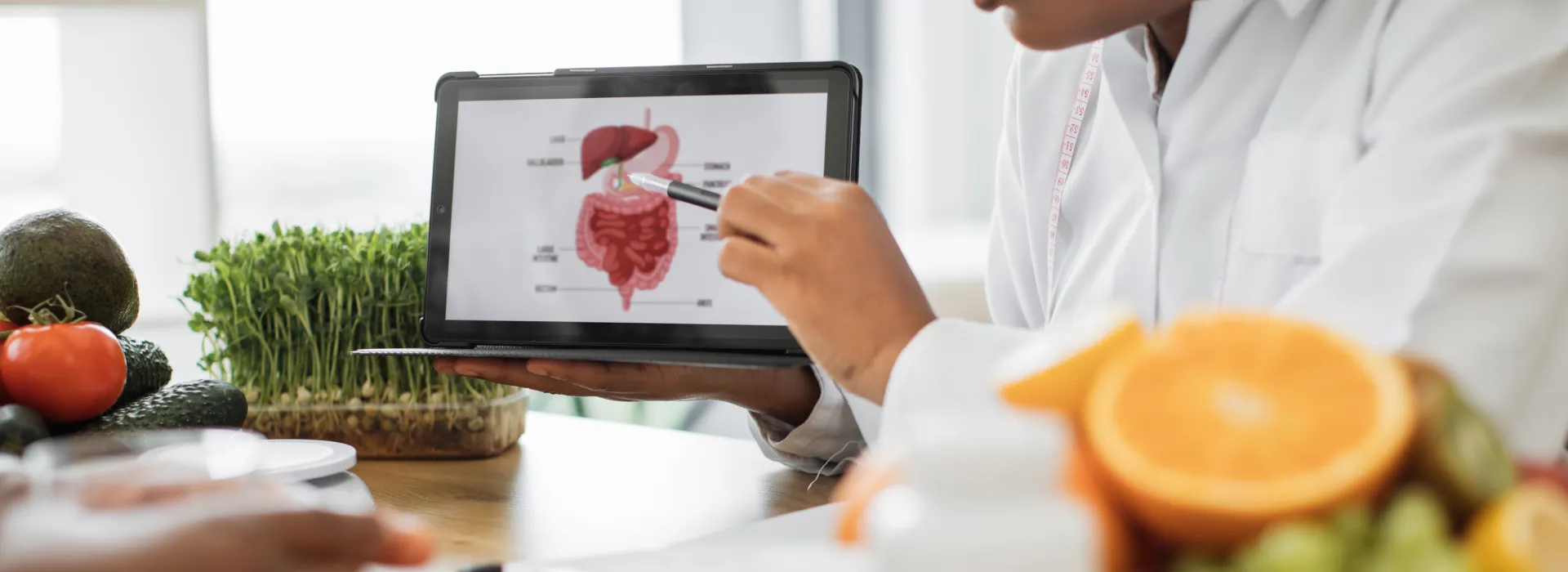
Digestive enzymes are proteins that help break down food into smaller components for nutrient absorption. The body naturally produces them, primarily in the salivary glands, stomach, pancreas, and small intestine. Each enzyme works on a specific food type, such as carbohydrates, proteins, or fats, allowing efficient digestion.
Types of digestive enzymes and what they do
The table below outlines the main digestive enzymes, where they are produced, and their functions.
| Digestive enzyme | Produced by | Breaks down | Examples of food digested |
| Amylase | Salivary glands, pancreas | Carbohydrates | Bread, pasta, potato |
| Protease | Stomach, Pancreas | Proteins | Meat, eggs, legumes |
| Lipase | Pancreas | Fats | Oils, butter, nuts |
| Lactase | Small intestine | Lactose | Dairy products |
| Sucrase and maltase | Small intestine | Sugars | Fruits, sweets, grains |
How digestive enzymes work in the body
- Food enters through the mouth, where salivary enzymes start to break down carbohydrates.
- In the stomach, acids and enzymes further digest food, particularly proteins.
- The pancreas releases digestive enzymes into the small intestine.
- Nutrients are absorbed through the intestinal lining and into the bloodstream.
- Waste products advance to the large intestine and are eventually eliminated.
This process enables the body to access vitamins, minerals, and energy from food.
Signs you may have low digestive enzymes
Common signs of low digestive enzyme activity include:
- Bloating after eating
- Excessive gas or cramping
- Watery, pale, or floating stools
- A feeling of fullness after eating small amounts
- Unexplained weight loss
- Chronic diarrhoea
- Persistent indigestion
These symptoms may overlap with conditions like IBS, coeliac disease, and pancreatic insufficiency, emphasising the need for medical evaluation.
Common digestive enzyme problems in Australia
Multiple health issues in Australia are associated with digestive enzyme dysfunction, including:
- Lactose intolerance, which is quite prevalent and results from insufficient lactase levels
- Pancreatic insufficiency, often linked to pancreatitis or cystic fibrosis
- Coeliac disease, which harms the gut lining and disrupts enzyme functionality and absorption of nutrients
- Irritable bowel syndrome (IBS), where digestion is disturbed even without inflammation
Each condition requires a tailored management approach.
Foods that naturally boost digestive enzymes
Certain foods feature natural enzymes that may promote digestion, especially for mild symptoms:
- Pineapple (contains bromelain, a type of protease)
- Papaya (contains papain, a type of protease)
- Yoghurt and kefir (boost lactase production through probiotics)
- Ginger
- Sauerkraut and kimchi
- Avocado (contains lipase)
While these foods may aid digestion, they are not substitutes for managing underlying medical issues.
Note: This information is for educational purposes only. You should consult a GP before attempting home remedies to ensure they are safe for your specific condition.
Digestive enzyme supplements: do they work?
Digestive enzyme supplements can benefit some individuals, such as those suffering from lactose intolerance or pancreatic insufficiency. Many over-the-counter options are available in Australia, but they aren't universally effective for everyone.
When selecting a supplement, consider:
- The specific type of enzyme included
- Whether the product is registered in Australia
- Matching the enzyme to your symptoms (for instance, lactase for dairy-related problems)
- It's advisable to consult a healthcare professional before using them long-term.
When to see a GP
You should see a doctor if you experience:
- Chronic bloating or abdominal discomfort
- Unintentional weight loss
- Oily or floating stools
- Severe or persistent reflux
- Symptoms lasting more than two weeks
- Digestive issues in children or adolescents
A GP may recommend blood tests, stool analyses, or a referral to a gastroenterologist.
If you experience severe abdominal pain, difficulty breathing, or any life-threatening symptoms, call 000 immediately or visit your nearest Emergency Department (ED).
How Hola Health can help
Hola Health’s online GPs can support Australians facing digestive issues by:
- Assessing symptoms via telehealth
- Guiding digestive enzyme usage
- Prescribing medications for symptom management, where clinically appropriate
- Referring patients to gastroenterologists if necessary
- Offering quick access to care from anywhere in Australia.
Note: While telehealth is a convenient option for initial advice, some digestive symptoms require a physical examination to diagnose. Your online GP will advise if an in-person assessment is necessary.
Conclusion
Digestive enzymes are crucial for breaking down food and promoting healthy digestion. While mild enzyme deficiencies may improve through dietary modifications or supplements, persistent digestive issues should be addressed. Collaborating with a GP to identify the root cause ensures safe and effective management. With appropriate assistance, most individuals can enhance digestion and minimise discomfort.
FAQ
What role do digestive enzymes play?
They assist in breaking down food into nutrients that can be absorbed and utilised by the body.
Can digestive enzyme supplements alleviate bloating?
They may provide relief for some individuals, depending on the underlying cause of the bloating.
Are enzyme supplements safe for regular consumption?
They can be safe for certain individuals, but it’s advisable to consult a GP regarding long-term use.
Which foods boost natural digestive enzyme production?
Pineapple, papaya, yoghurt, and fermented foods are rich in natural enzymes.
How do probiotics differ from digestive enzymes?
Probiotics help support gut bacteria, whereas enzymes facilitate the breakdown of food.
Can children use digestive enzyme supplements?
Only with medical supervision.
Do digestive enzymes assist with IBS symptoms?
They may offer benefits for some individuals, but managing IBS typically requires a comprehensive approach.
Is it harmful to consume too many digestive enzymes?
Yes, overconsumption can lead to side effects, highlighting the importance of seeking medical advice.
See a Aussie GP online, available 24/7
Download the app today.


Related Articles

Disclaimer
This blog is for general informational purposes only and does not indicate that Hola Health provides all treatments or preventive measures mentioned. It is not intended to be a substitute for professional medical advice. Always seek the guidance of your doctor or other qualified health professional with any questions you may have regarding your health or a medical condition. For emergencies please immediately contact 000. Any medical topics discussed are intended to educate, not to imply availability through Hola Health.