

Dating Someone with Depression: How to Cope?
Contents
 Facebook
  X
X  Copy Link
Overview
Being in a relationship with someone who has depression can lead to a combination of empathy, confusion, frustration, and worry. You may love your partner deeply yet feel uncertain about how best to support them. Seeking advice doesn't diminish your care. With empathy, supportive practices, and prioritising your own well-being, you can approach the relationship with greater compassion.
Note: The content of this blog is for informational purposes only and does not replace professional medical diagnosis, advice, or treatment.
Understanding depression
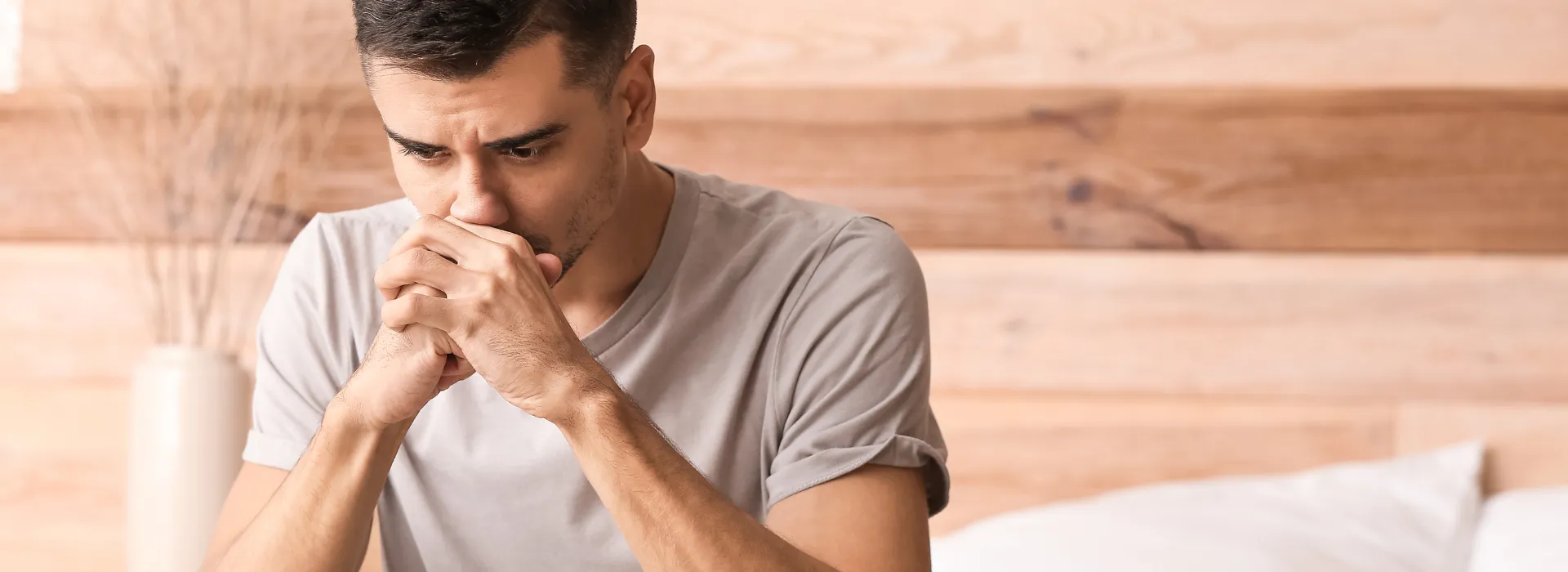
Depression is a mental health issue that impacts how an individual feels, thinks, and interacts with daily life. It is not a sign of weakness or something someone can just “get over.”
- It can influence mood, energy, drive, and perspective.
- It is not due to a deficiency in effort or appreciation.
- The symptoms may vary, resulting in good days alongside challenging ones.
According to Amira, a Registered Psychologist, in Australia, around one in seven people experience depression in any given year, and many more will experience it at some point in their lifetime, making it a prevalent and very genuine condition.
How depression can affect relationships
Depression can alter how an individual participates in a relationship. Some common effects include:
- Diminished communication or emotional disengagement
- Decreased interest in activities or intimacy
- Increased irritability or reduced patience
- Low energy levels or limited availability
- Misinterpretations and feelings of guilt for both partners
These behaviours are often symptoms of depression and do not reflect your partner's level of care for you.
Emotional difficulties for the partner
Individuals in a relationship with someone suffering from depression frequently encounter:
- A sense of powerlessness or uncertainty about how to assist
- Assuming responsibility for their partner’s emotional state
- Feeling drained emotionally or experiencing frustration
- Experiencing guilt for feeling overwhelmed
- Worrying about potentially saying the wrong thing
These emotions are legitimate and typical, and they do not indicate that you are a bad partner.
What helps when dating someone with depression
This information is for educational purposes only. You should consult a GP before attempting home remedies or significant lifestyle changes to ensure they are safe for your specific condition.
Educate yourself about depression:
Gaining knowledge about depression can help to minimise misunderstandings regarding your partner’s actions. Understanding that mood changes aren’t a personal attack helps preserve the relationship and support your emotional health.
Communicate with empathy
- Listen without hurrying to resolve the issue
- Acknowledge feelings instead of downplaying them
- Inquire about what support means to them, rather than making assumptions
Being listened to can often be more beneficial than offering advice.
Encourage support without pressure
- Gently recommend seeking professional guidance when suitable.
- Support visits to a GP, psychologist, or psychiatrist
- Refrain from making ultimatums or forcing solutions.
Support is most effective when it honours personal autonomy.
Uphold healthy boundaries
- You can show care without shouldering everything alone.
- Caring for your well-being helps in maintaining the relationship.
- Boundaries are beneficial, not self-serving.
You are a partner, not a counsellor.
What not to do
- Avoid saying “just feel better” or “put in more effort.”
- Do not take mood fluctuations to heart.
- Avoid becoming their singular support system.
- Do not overlook your own mental health.
These behaviours can inadvertently create additional pressure and cause harm.
Taking care of yourself as a partner
- Keep up with your routines and social relationships.
- Confide in someone you trust.
- Take breaks when you start feeling emotionally exhausted.
- Reach out for professional assistance if you feel overwhelmed.
Taking care of yourself enables you to engage with more patience and compassion.
When to seek extra help
Additional help may be required if the relationship feels emotionally taxing, symptoms are worsening, communication has deteriorated, or there are worries about safety or self-harm. In these circumstances, professional support and Australian crisis services such as Lifeline (13 11 14) or emergency services (000) may be appropriate if there is immediate risk.
How Hola Health can help
Mental health assistance for individuals
- Access telehealth services with Australian-registered GPs.
- Support for the evaluation and management of depression.
- Mental health care plans, when appropriate.
Assistance for partners
- GPs can offer advice on how to support someone experiencing depression.
- Guidance on handling stress, burnout, and emotional fatigue.
Accessible and private care
- Flexible appointments that accommodate hectic schedules.
- Private consultations from the comfort of your home.
Conclusion
Dating someone who has depression requires patience, empathy, and balance. By supporting your partner while prioritising your own well-being, seeking assistance when necessary, and upholding healthy boundaries, you can approach the relationship with kindness and resilience.
While telehealth offers convenient access to care, some clinical situations may require an in-person physical examination by a local GP for a comprehensive assessment.
FAQs
Can depression influence romantic partnerships?
Absolutely. Depression can affect communication, closeness, and emotional openness, but this does not imply that the relationship cannot remain healthy.
Is it typical to feel overwhelmed when dating someone dealing with depression?
Certainly, providing support to someone with depression can be emotionally taxing, and it’s common to feel overwhelmed.
How can I assist my partner without fostering dependency?
You can offer support while promoting professional assistance, ensuring that you maintain your own boundaries and independence.
Should I suggest my partner visit a general practitioner or psychologist?
Yes, gentle encouragement can be beneficial, particularly if their symptoms persist or worsen.
Can telehealth provide support for depression in Australia?
Yes. Telehealth services like Hola Health enable access to GPs and mental health support from the comfort of home.
When is it appropriate to take a step back for my own mental health?
It is acceptable to step back when your mental health is suffering or your boundaries are being violated.
See a Aussie GP online, available 24/7
Download the app today.


Related Articles


Disclaimer
This blog is for general informational purposes only and does not indicate that Hola Health provides all treatments or preventive measures mentioned. It is not intended to be a substitute for professional medical advice. Always seek the guidance of your doctor or other qualified health professional with any questions you may have regarding your health or a medical condition. For emergencies please immediately contact 000. Any medical topics discussed are intended to educate, not to imply availability through Hola Health.