

How To Overcome Social Anxiety? Here are Helpful Techniques!
Contents
 Facebook
  X
X  Copy Link
Overview
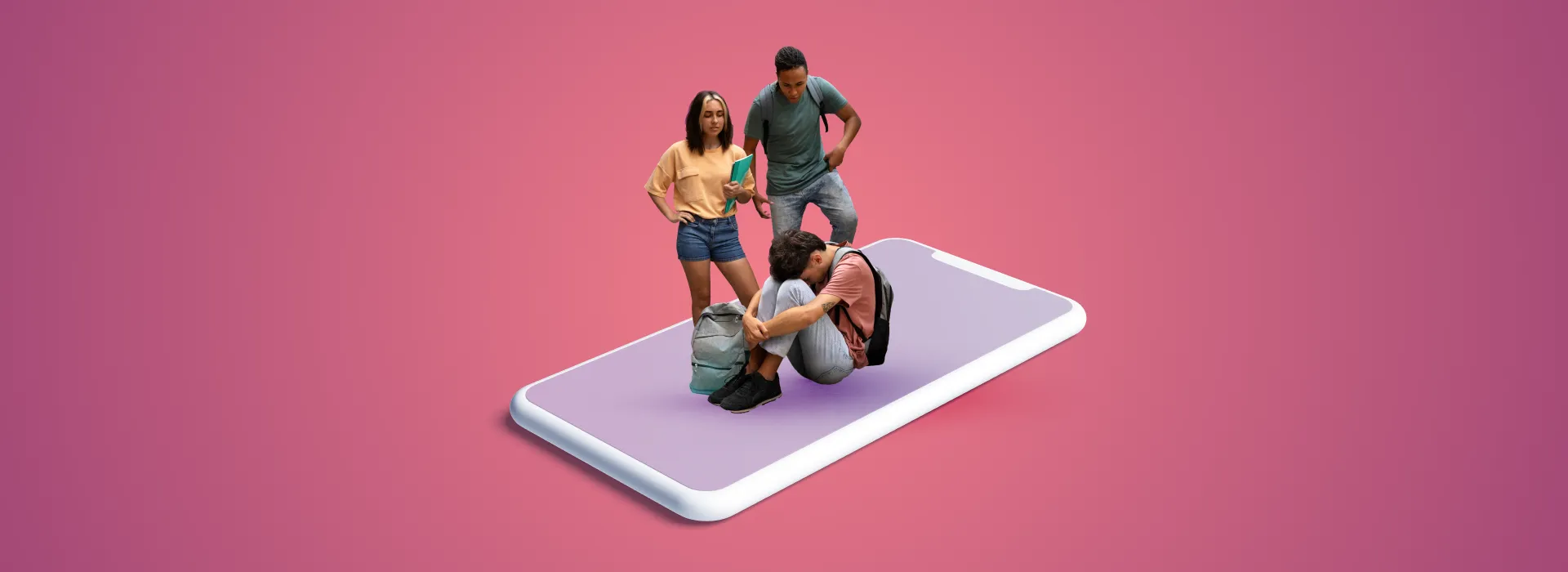
Social anxiety is a prevalent mental health issue where everyday social situations can feel daunting or overwhelming. Many Australians experience social anxiety in workplaces, educational settings, and social events. The good news is that social anxiety is manageable, and with the right strategies, most people can regain confidence and a sense of control.What is social anxiety?
Answer by Amira, an expert therapist – Social anxiety is a persistent fear of being evaluated, judged, or embarrassed by others in social or performance situations. Unlike shyness, which is usually temporary and mild, social anxiety can significantly interfere with daily activities, conversations, presentations, and relationships.It is considered a disorder (social anxiety disorder) when symptoms are ongoing and substantially interfere with work, social interactions, education, or overall functioning.
What triggers social anxiety?
Social anxiety can be triggered by a range of everyday situations, including:- Public speaking
- Meeting unfamiliar people
- Workplace presentations
- Eating or completing tasks while being observed
- Attending social events or gatherings
- Fear of judgement, embarrassment, or making mistakes
How to overcome social anxiety
1. Breathing and relaxation techniques
These techniques help calm the nervous system and reduce the physical symptoms of anxiety.- Deep diaphragmatic breathing
- Grounding techniques (such as the 5-4-3-2-1 method)
- Progressive muscle relaxation
-
Gradually expose yourself to build confidence
- Start with small, achievable social actions
- Practise scenarios in safe or familiar environments
- Increase the level of challenge as your comfort grows
-
Cognitive behavioural techniques (CBT)
- Challenge negative or exaggerated beliefs
- Reframe worst-case scenarios
- Keep a thought journal to identify triggers and patterns
-
Beneficial lifestyle practices
- Prioritise adequate sleep
- Engage in regular physical activity
- Maintain a balanced diet
- Limit caffeine and alcohol, as both can worsen anxiety
-
Social skills and communication techniques
- Learn simple conversation starters
- Maintain comfortable, natural eye contact
- Use open and relaxed body language
- Role-play social situations with someone you trust
-
Mindfulness and meditation practices
- Short guided meditation sessions
- Mindfulness apps
- Simple breathing-awareness exercises
Doctor consult for social anxiety
Professional support can be helpful if social anxiety is affecting your daily life, relationships, or ability to function comfortably in social settings. Several support options are available in Australia, including:- Consulting a psychologist
- Telehealth mental health appointments
- Mental Health Treatment Plans (MHTP) from a GP, which allow access to Medicare rebates for therapy
Tips to manage social anxiety
Alongside professional care, practical self-management strategies can help reduce symptoms and improve confidence.- Prepare in advance for social events or meetings
- Use “safety anchors” such as grounding or breathing exercises
- Acknowledge and celebrate small achievements
- Reduce avoidance behaviours, as avoidance can worsen anxiety over time
When social anxiety becomes severe
More structured or immediate support may be needed if you experience:- Anxiety that interferes with work, school, or relationships
- Panic-like symptoms in social situations
- Avoidance of most or all social interactions
- Persistent distress, hopelessness, or a reduced quality of life due to anxiety
How Hola Health can help
Hola Health offers accessible, confidential support for social anxiety through telehealth, allowing you to get help from the comfort of home.- Online GP consultations
- Mental Health Treatment Plans
- Referrals to psychologists or psychiatrists
- Ongoing follow-up and guidance
Conclusion
Overcoming social anxiety takes time, patience, and practice. With consistent effort, effective coping strategies, and professional support when needed, many people gradually feel more confident and comfortable in social situations. Small steps can lead to meaningful progress, and help is always available.FAQs
Is social anxiety the same as being shy?
No. Shyness is usually mild and occasional, whereas social anxiety is more intense, persistent, and can significantly interfere with daily life.Can social anxiety go away on its own?
It may improve over time, but many people benefit from learning coping strategies or seeking professional support.Does online therapy work for social anxiety?
Yes. Telehealth therapy is effective and widely used across Australia for managing social anxiety.How long does therapy usually take?
This varies by individual, but many people begin noticing improvement within weeks to months.Can lifestyle changes alone be enough?
Answer by Amira, an expert therapist – Lifestyle changes can ease symptoms, but the best outcomes often come from combining self-help strategies with therapy or professional care.Reference
See a Aussie GP online, available 24/7
Download the app today.


Related Articles


Disclaimer
This blog is for general informational purposes only and does not indicate that Hola Health provides all treatments or preventive measures mentioned. It is not intended to be a substitute for professional medical advice. Always seek the guidance of your doctor or other qualified health professional with any questions you may have regarding your health or a medical condition. For emergencies please immediately contact 000. Any medical topics discussed are intended to educate, not to imply availability through Hola Health.