

Postpartum anxiety symptoms and next steps

Contents
 Facebook
  X
X  Copy Link
Overview
Becoming a parent is often depicted as a whirlwind of joy and enthusiasm, but for some, it can also bring a storm of unexpected feelings. One of these is postpartum anxiety, a condition that can leave new parents feeling overwhelmed, nervous, and fatigued long after the baby arrives.
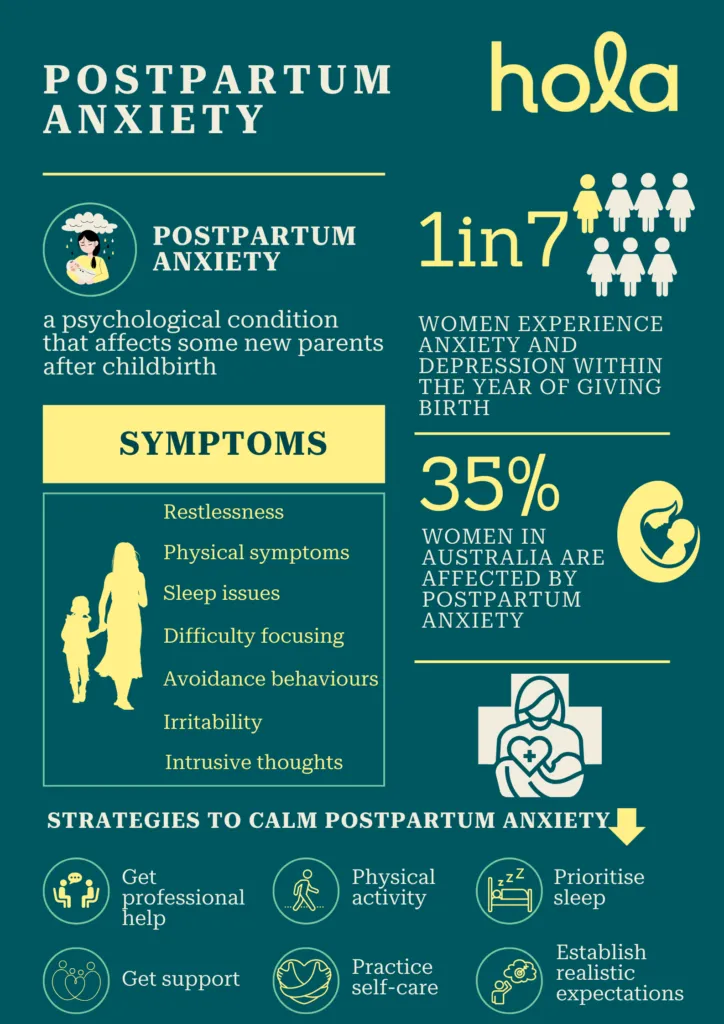
In Australia, up to 1 in 7 women experience anxiety or depression1 within the year after giving birth. While it’s normal to worry about your newborn, postpartum anxiety takes it further, causing constant fears and apprehensions that can make regular life seem like an uphill climb.
Understanding its symptoms and knowing how to address them is the first step to feeling better and restoring your inner peace.
Note: The content of this blog is for informational purposes only and does not replace professional medical diagnosis, advice, or treatment.
What is postpartum anxiety?
Postpartum anxiety is a psychological condition that affects some new parents after childbirth. It is marked by excessive worry, fear, or tension, often about the health and safety of the baby.
While some anxiety is normal for new parents, postpartum anxiety is more intense, persistent, and disruptive to daily life.
Symptoms may include constant worry, anxiety attacks, racing thoughts, sleep disruptions, trouble relaxing, and physical signs like heart palpitations.
This condition is manageable with therapy, medication, and support, making it essential to seek help for recovery.
Common is postpartum anxiety
Postpartum anxiety is relatively common, affecting 35.3% of women in Australia1. Many people may feel some level of anxiety after childbirth, but when it becomes overwhelming, intense, and disrupts daily functioning, it is recognised as postpartum anxiety.
It’s important to understand that this condition can affect anyone, regardless of their mental health history, and reaching out for support is key to effectively managing and overcoming it.
Symptoms
Postpartum anxiety is a common condition that affects new mothers and can manifest in various physical, emotional, and cognitive symptoms. Here's what it may feel like:
- Restlessness: Restlessness manifests as a heightened state of alertness, characterised by an inability to achieve a sense of relaxation.
- Physical symptoms: Individuals may experience a rapid heartbeat, difficulty breathing, dizziness, muscle tension, or gastrointestinal issues. These physical symptoms often resemble those associated with panic attacks.
- Intrusive thoughts: Some mothers may encounter distressing and uncontrollable thoughts concerning potential harm to their infant or other irrational fears, which can lead to significant emotional distress.
- Sleep disturbances: While many new parents face challenges with sleep due to the demands of caring for a newborn, postpartum anxiety can exacerbate problems with both falling and staying asleep.
- Difficulty focusing: Anxiety can impede one's ability to concentrate or make decisions, causing frustration that may be particularly pronounced while caring for a newborn.
- Avoidance behaviours: Certain individuals may begin to avoid specific situations or interactions due to anxiety, such as social outings or encounters with particular people.
- Irritability: Heightened irritability may lead to uncharacteristic outbursts of anger or frustration directed at others without clear reason.
- Perfectionism: An intense desire to be the “perfect” mother, coupled with guilt or self-criticism, can significantly contribute to postpartum anxiety.
- Persistent anxiety: A continual sense of concern or apprehension, especially regarding the baby’s health and safety, which may extend to parenting skills, relationships, or personal well-being.
How long does postpartum anxiety last?
Postpartum anxiety may persist for several weeks to several months. In some cases, symptoms may gradually improve as routines stabilise and hormonal levels balance.
However, in more severe or untreated cases, symptoms may last six months or longer. Anxiety may also become chronic, particularly if there are pre-existing conditions such as generalised anxiety disorder or depression.
Early intervention, including therapy, medication, or lifestyle adjustments, can significantly reduce symptoms and support recovery. Many women experience relief within a few months with appropriate care.
Postpartum anxiety vs postpartum depression
Postpartum anxiety and postpartum depression are both common mental health challenges new mothers may face, but they have distinct characteristics:
Symptoms:
- Postpartum anxiety: Excessive worry, restlessness, racing heart, dizziness, intrusive thoughts, and difficulty relaxing.
- Postpartum depression: Persistent sadness, hopelessness, irritability, fatigue, loss of interest in activities, and difficulty bonding with the baby.
The focus of concern:
- Postpartum anxiety: Fear about the baby’s safety, ongoing worry, and self-doubt about parenting abilities.
- Postpartum depression: Feelings of sadness, inadequacy, emotional numbness, and detachment from self and baby.
Duration:
- Postpartum anxiety: Can last weeks to months and is typically centred around persistent worry.
- Postpartum depression: May last several months and often requires therapy or medication.
Management:
Both postpartum anxiety and postpartum depression can be effectively managed through therapy, support groups, and, in some cases, medication. Early intervention is important for both conditions.
| Category | Postpartum Anxiety | Postpartum Depression |
|---|---|---|
| Symptoms | Excessive worry, restlessness, racing heart, dizziness, intrusive thoughts, difficulty relaxing. | Persistent sadness, hopelessness, irritability, fatigue, loss of interest in activities, difficulty bonding with baby. |
| Focus of concern | Fear about baby’s safety, ongoing worry, self-doubt about parenting abilities. | Feelings of sadness, inadequacy, emotional numbness, and detachment. |
| Duration | Weeks to months, often centred around persistent worry. | Several months, often requiring treatment. |
| Management | Therapy, support groups, relaxation techniques, and sometimes medication. | Therapy, lifestyle changes, support groups, and medication if needed. |
How can I calm my postpartum anxiety?
This information is for educational purposes only. You should consult a GP before attempting home remedies or significant lifestyle changes to ensure they are safe for your specific condition.
To calm postpartum anxiety, here are some strategies that may help:
- Consult a professional: Therapy such as Cognitive Behavioural Therapy or counselling can provide coping tools. In severe cases, medication may be recommended.
- Implement relaxation techniques: Deep breathing, meditation, or mindfulness can help calm the mind and body.
- Engage in physical activity: Regular exercise, even light activity like walking, can improve mood and reduce stress.
- Seek support: Talk to your partner, family, or friends to share responsibilities and reduce emotional burden.
- Prioritise sleep: Rest whenever possible, as lack of sleep can worsen anxiety symptoms.
- Limit caffeine intake: Reducing caffeine can help minimise anxiety symptoms.
- Practice self-care: Engage in relaxing activities such as reading, bathing, or hobbies.
- Set realistic expectations: Avoid perfectionism and allow yourself to make mistakes.
- Join support groups: Connecting with other mothers can reduce feelings of isolation.
When should I call my doctor?
It is advisable to contact a medical professional if postpartum anxiety becomes overwhelming and interferes with your ability to care for yourself or your baby.
Seek immediate help if you experience severe symptoms such as chest pain, dizziness, or intrusive thoughts about harming yourself or your baby.
Persistent sadness, difficulty bonding, sleep or appetite changes, or symptoms that do not improve after a few weeks also warrant professional support.
Early intervention can help manage anxiety effectively and ensure appropriate treatment.
Note: If you experience chest pain, difficulty breathing, or thoughts of harm, call 000 immediately or visit your nearest Emergency Department.
Can telehealth help?
Telehealth offers a convenient way to access care for postpartum anxiety, especially for new mothers who may find it difficult to attend in-person appointments.
Through telehealth services, you can access:
- Bulk-billed mental health plan: A Mental Health Care Plan online allows access to subsidised therapy sessions and structured support.
- Therapy: Online counselling sessions with qualified professionals.
- Medication management: Doctors may discuss medication options if clinically appropriate.
- Support groups: Virtual communities for shared experiences and emotional support.
Telehealth is a convenient and accessible option for mental health support, though it may not replace all in-person care when physical assessment is required.
Postpartum anxiety can be challenging, but it is manageable. With the right support, treatment, and self-care, recovery is possible. Don’t hesitate to seek help—your well-being matters.
Reference
National Library of Medicine - reference link National Library of Medicine - reference linkSee a Aussie GP online, available 24/7
Download the app today.


Related Articles


Disclaimer
This blog is for general informational purposes only and does not indicate that Hola Health provides all treatments or preventive measures mentioned. It is not intended to be a substitute for professional medical advice. Always seek the guidance of your doctor or other qualified health professional with any questions you may have regarding your health or a medical condition. For emergencies please immediately contact 000. Any medical topics discussed are intended to educate, not to imply availability through Hola Health.