

What does an anxiety attack feel like?

Contents
 Facebook
  X
X  Copy Link
Overview
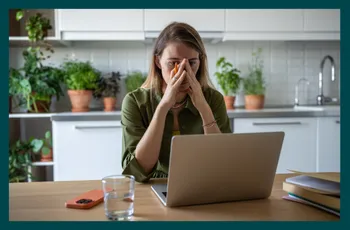
An anxiety attack is a sudden surge of intense anxiety, worry, or fear that often builds gradually rather than appearing suddenly. Many individuals in Australia face anxiety attacks due to stress, concerns about health, or everyday pressures. These attacks are prevalent, treatable, and nothing to feel ashamed about. With appropriate support, most individuals can effectively manage them.
What is an anxiety attack?
An anxiety attack occurs when persistent stress or fear becomes too overwhelming, resulting in both physical and emotional symptoms. In contrast to regular stress, an anxiety attack feels more severe and distressing. Symptoms usually develop gradually and can fluctuate over time, unlike a panic attack, which typically escalates rapidly and peaks within minutes.
What does an anxiety attack feel like?
Physical symptoms
- Pressure or tightness in the chest
- Increased heart rate
- Difficulty breathing or a sensation of shortness of breath
- Sweating or trembling
- Dizziness or lightheadedness
- Discomfort in the stomach or nausea
- Numbness or tingling in the hands or feet
- Fluctuations in body temperature
Emotional symptoms
- Feeling overwhelmed
- Extreme worry or fear
- A sense that something bad may happen
- Restlessness or feeling on edge
Cognitive symptoms
- Racing thoughts
- Difficulty focusing
- Feeling mentally clouded
- Overanalysing or imagining worst-case scenarios
Behavioural symptoms
- Avoiding specific situations
- Becoming withdrawn or unusually quiet
- Desiring to leave the situation
- Pacing or fidgeting
Quick symptoms table
| Symptom type | Examples |
| Emotional | Overwhelm, fear, irritability |
| Physical | Chest tightness, rapid heartbeat, dizziness |
| Behavioural | Avoidance, restlessness |
| Cognitive | Racing thoughts, mental fog |
Anxiety attack vs panic attack
| Anxiety attack | Panic attack |
| Builds gradually | Sudden and intense |
| Triggered by stressors | May occur with or without an obvious trigger |
| Mild to moderate (can still feel very distressing) | Very intense |
| Emotional and physical symptoms | Physical symptoms often peak within minutes |
Common triggers of anxiety attacks
Anxiety attacks can be triggered by a variety of emotional, physical, and environmental factors. Common triggers include:
- Work-related pressure
- Family or relationship stress
- Health concerns
- Financial strain
- Lack of sleep
- Caffeine or energy drinks
- Past trauma
- Social situations
How long does an anxiety attack last?
An anxiety attack can persist for several minutes to several hours. In some cases, symptoms may come in waves throughout the day. Even after the peak symptoms subside, lingering tension, fatigue, or mental fog may continue for a time.
How to calm an anxiety attack
Several simple techniques can help ease the intensity of an anxiety attack and support the body’s natural calming response:
- Deep belly breathing: Slows down heart rate and relaxes the body.
- Grounding techniques (5-4-3-2-1): Help redirect focus away from fear.
- Gentle movement: Stretching or walking can relieve tension.
- Hydration: Helps regulate breathing and calm the body.
- Talking to someone you trust: Alleviates feelings of isolation and fear.
- Reducing sensory stimuli: Dimming lights, lowering noise, or sitting in a quiet space.
When should you seek medical help?
It is important to consult a doctor if you experience:
- Unusual or severe chest pain
- Fainting or feeling faint
- Symptoms that persist longer than expected or worsen over time
- Anxiety that disrupts your work, sleep, or relationships
- Recurring attacks that become more frequent or severe
How can a GP help?
A GP can assess your symptoms, rule out medical causes such as heart, thyroid, or respiratory conditions, and help identify anxiety triggers. They can discuss treatment options, develop a mental health care plan, and prescribe medication if clinically appropriate.
How Hola Health can help
Hola Health simplifies access to care when anxiety feels overwhelming. Through telehealth, you can:
- Consult with a GP online
- Access a mental health care plan
- Review your symptoms and triggers
- Receive ongoing follow-up support
- Get referrals to psychologists or psychiatrists
Conclusion
Anxiety attacks can feel frightening, overwhelming, and exhausting, but they are also very common and highly treatable. Understanding symptoms, recognising triggers, and using practical calming techniques can make episodes easier to manage and reduce their impact over time.
FAQs
Is an anxiety attack harmful?
Answer by Amira, an expert therapist – Typically, no. While anxiety attacks are not dangerous, the symptoms can feel intense and distressing.
What should I do when an attack occurs?
Focus on slow breathing, grounding techniques, and moving to a calm, quiet environment.
Can anxiety attacks occur during the night?
Yes. Stress, inadequate sleep, and excessive worrying can trigger anxiety attacks at night.
Is chest pain a result of anxiety?
Answer by Amira, an expert therapist – Yes, muscle tension and rapid breathing can cause chest discomfort. However, new or severe chest pain should always be medically assessed.
How can I distinguish between anxiety and a heart problem?
If symptoms are new, severe, or concerning, it is essential to seek a medical evaluation.
Can lifestyle changes help prevent anxiety attacks?
Yes. Consistent sleep, regular exercise, reducing caffeine intake, and effective stress management can help reduce the frequency and severity of anxiety attacks.
See a Aussie GP online, available 24/7
Download the app today.


Related Articles


Disclaimer
This blog is for general informational purposes only and does not indicate that Hola Health provides all treatments or preventive measures mentioned. It is not intended to be a substitute for professional medical advice. Always seek the guidance of your doctor or other qualified health professional with any questions you may have regarding your health or a medical condition. For emergencies please immediately contact 000. Any medical topics discussed are intended to educate, not to imply availability through Hola Health.