

How After-Hours Telehealth Services Are Reducing ED Overcrowding in Australia
Contents
 Facebook
  X
X  Copy Link
Overview
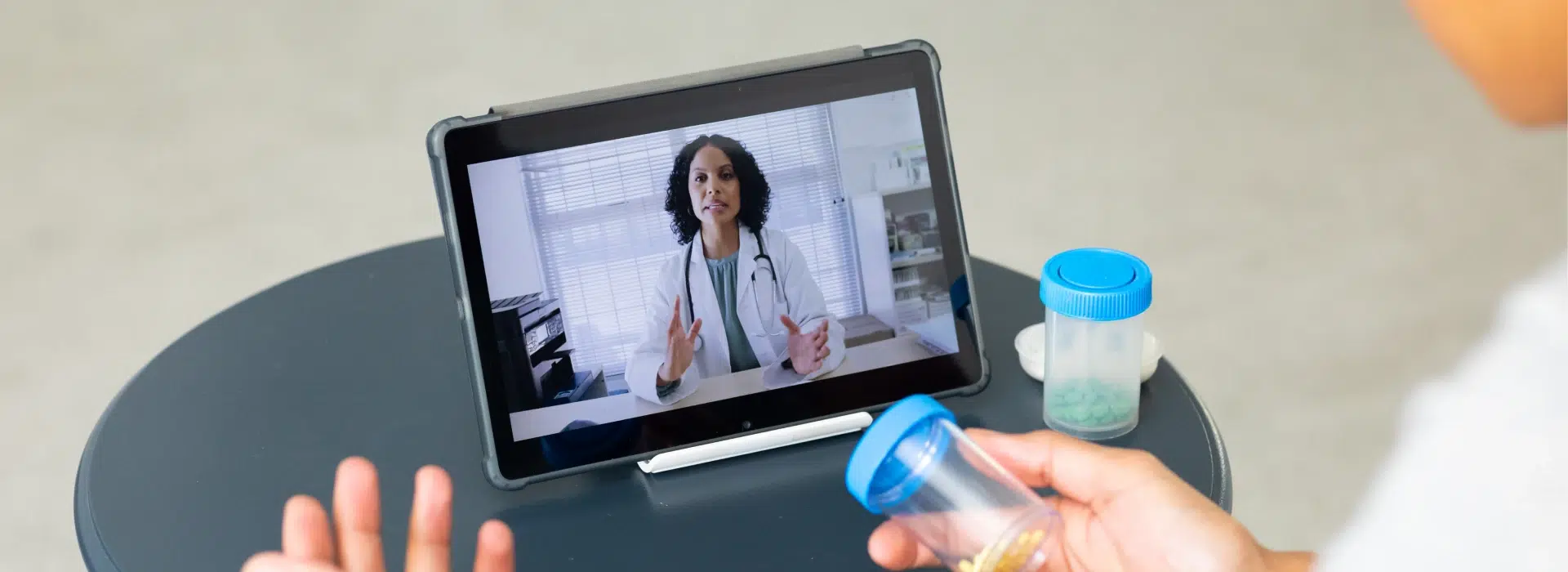
Across Australia, emergency departments are under pressure. People often go to the emergency department late at night thinking their issue is life-threatening when it may not be. With after-hours telehealth, patients can speak to an online doctor from home through video calls.
This helps reduce unnecessary hospital visits for minor issues, easing overcrowding in emergency departments and allowing resources to focus on managing severe emergencies.
The Growing Problem of Emergency Department Overcrowding in Australia
When emergency departments become overcrowded, waiting times increase. Treatment that should take hours may take much longer, and healthcare workers are stretched thin.
If ambulances are required elsewhere, delays can occur due to hospital capacity issues. Patients with serious conditions may miss time-sensitive treatment simply because help arrives late.
Why Do Patients Go to ED for Non-Emergency Conditions?
When options feel limited — especially at night or on weekends — the emergency department can seem like the only choice.
Common reasons include:
- No GP appointments available: Same-day care can be difficult to find, particularly after hours.
- Uncertainty about symptoms: Anxiety about whether something is serious leads people to seek immediate reassurance.
- Cost concerns: Some patients choose ED believing it may be more affordable.
- Convenience and access to tests: EDs can organise scans and blood tests quickly if required.
In regional Australia, limited after-hours services can further reduce available alternatives.
What Is an After-Hours Online GP Service?
When your local GP clinic is closed, you can connect with an Australian-registered doctor via phone or video consultation. Depending on your condition, the doctor may provide medical advice, prescribe medication, issue a medical certificate, or recommend in-person follow-up if required.
Key point: If an online GP cannot safely assess your issue, they will direct you to appropriate urgent in-person care or the emergency department.
Common examples suitable for telehealth review may include early fever in children, cold sores after sun exposure, new mild rashes, low-grade fever, sore throat, fatigue, or typical cold symptoms — provided there are no severe warning signs.
Note: Telehealth is a convenient complementary service but not a replacement for a physical examination. If a physical assessment is required to make a safe diagnosis, you will be directed to an in-person provider.
How After-Hours Telehealth Reduces ED Burden
Diverts Non-Urgent Cases
- Minor conditions can be managed via telehealth, reducing unnecessary ED visits and improving capacity for true emergencies.
Provides Faster Access to Care
Telehealth reduces the delay between deciding to seek care and receiving medical advice.
- Creates a clear plan: self-care guidance, pharmacy support, GP follow-up, or escalation if needed.
Supports Rural & Remote Communities
Telehealth reduces travel burden in rural and remote areas, where healthcare services may be limited.
When local options are scarce, platforms such as online telehealth services provide accessible medical advice and practical next steps.
Reduces Hospital Costs
Managing minor conditions at the GP level is generally less resource-intensive than ED care, helping hospitals focus on serious cases.
Reduces Infection Spread
Keeping patients with viral illnesses out of crowded waiting rooms lowers transmission risk — particularly protecting older adults and immunocompromised individuals.
After-Hours GP vs Emergency Department: When to Choose Which
If symptoms are stable and not severe, an after-hours GP may be appropriate. However, go to the emergency department or call 000 immediately for severe or life-threatening symptoms.
| Condition | Can It Wait for After-Hours GP? | When to Go to Emergency |
| Cold and flu symptoms, light fever | Yes, if breathing is normal and symptoms are manageable | If severe breathing difficulty, blue lips, confusion, or loss of consciousness |
| UTI symptoms | Usually, if mild and otherwise healthy | If high fever, chills, severe back pain, pregnancy, or feeling very unwell |
| Skin redness or rash | Yes, if mild and not rapidly spreading | If facial swelling, breathing difficulty, or severe allergic reaction signs |
| Minor injury (sprain/strain) | Usually, if some movement is possible | If limb deformity, uncontrolled bleeding, or serious head injury symptoms |
| Chest pain | No | Always urgent — call 000 |
| Stroke symptoms (FAST) | No | Always urgent — call 000 |
If you’re unsure, it’s safer to escalate.
Challenges & Limitations of After-Hours Telehealth
Not every condition is suitable for telehealth.
If a detailed physical examination, in-office testing, or urgent hands-on assessment is required, in-person care is necessary. Worsening or severe symptoms should always be assessed urgently.
- Technology and access barriers: Internet access, language differences, hearing impairment, or limited digital literacy may affect usability.
- Continuity of care: Sharing accurate medical history, medications, allergies, and existing conditions helps ensure safe assessment.
Policy & Healthcare System Implications
Late-night telehealth fits within the larger idea of placing people in the most suitable setting for their needs. When it works alongside better primary care options, well-informed patients, and seamless connections to local health services, it can lead to more timely and appropriate care for everyone.
Gaps in hospital bed availability and emergency department congestion will not disappear simply because this tool exists — those issues require broader system-level solutions. Still, telehealth services play an important role in helping to ease pressure on the healthcare system.
How Hola Health Can Help
Hola Health offers access to after-hours online GP consultations so you can:
- Get medical advice from home and understand whether to manage symptoms yourself, visit a local GP, or attend the emergency department.
- Access eligible prescriptions and medical certificates when clinically appropriate.
Call 000 immediately if something feels serious and go straight to the nearest emergency department.
Note: Hola Health bulk-billed after-hours doctor consults are for urgent care and are available to Medicare cardholders during these hours only: Weekdays 6pm–7:30am | Saturday 12am–7:30am & from 12pm | Sunday & public holidays: 24 hours.
Conclusion
When emergency departments become overcrowded, it affects people from all walks of life. Late-hour telehealth can help reduce pressure on the system by providing fast access to trusted health advice from experienced general practitioners for everyday conditions.
By reducing avoidable trips to the emergency department, telehealth supports hospital teams in focusing on urgent and life-threatening cases, rather than being overwhelmed by large numbers of non-urgent presentations.
FAQs
Are most emergency department visits non-urgent in Australia?
Not necessarily in terms of total volume, but a portion of presentations are lower-priority cases that may be better managed outside emergency departments if appropriate care pathways are available.
Can after-hours online doctors reduce hospital wait times?
In some cases, they can ease pressure by redirecting less serious conditions to primary care, which may help emergency departments manage urgent cases more efficiently.
Is telehealth safe for urgent medical concerns?
Telehealth can be suitable for initial advice and assessment. However, severe, worsening, or life-threatening symptoms require immediate in-person medical attention. If in doubt, attend the nearest emergency department or call 000 immediately.
When should I go straight to emergency instead of booking an online GP?
Call 000 immediately if someone experiences chest pain, severe breathing difficulty, signs of stroke, seizures, a severe allergic reaction, serious head injury symptoms, life-threatening bleeding, or sudden deterioration in their condition.
Do hospitals recommend telehealth for minor conditions?
For minor health concerns, starting with a telehealth consultation can provide quick guidance and may help avoid an unnecessary visit to the emergency department.
See a Aussie GP online, available 24/7
Download the app today.


Related Articles
Disclaimer
This blog is for general informational purposes only and does not indicate that Hola Health provides all treatments or preventive measures mentioned. It is not intended to be a substitute for professional medical advice. Always seek the guidance of your doctor or other qualified health professional with any questions you may have regarding your health or a medical condition. For emergencies please immediately contact 000. Any medical topics discussed are intended to educate, not to imply availability through Hola Health.