

Sick Leave & Employee Privacy Rights in Australia

Contents
 Facebook
  X
X  Copy Link
Overview
If you’re unwell or injured, Australian workplace laws generally allow you to take time off to recover. That’s what sick leave (also called personal leave) is for. At the same time, your medical information is private and sensitive. While an employer can ask for evidence that you couldn’t work, they usually can’t demand details about your specific condition.What is sick leave?
Sick leave is time off work because you’re sick or injured. It forms part of personal/carer’s leave under the National Employment Standards (NES). It exists to help you:- Recover properly without losing pay, allowing time to rest, seek treatment, and return safely.
- Care for an immediate family or household member who is unwell or injured.
- Full-time employees (leave accrues over time).
- Part-time employees (leave accrues on a pro-rata basis).
- Casual employees generally don’t accrue paid personal leave, but may take unpaid leave depending on circumstances and workplace policies.
When sick leave intersects with privacy rights
1) Taking time off because you’re unwell
Employers often only need confirmation that you genuinely couldn’t work.- They can ask for evidence of unfitness for work.
- They generally shouldn’t ask for your diagnosis or detailed medical information.
2) Extended or repeated absences
If absences are frequent or longer, employers may request stronger evidence.- This is usually about verifying entitlement, not investigating your condition.
- You still don’t need to provide your full medical history as a default.
3) Carer’s leave (family or household duties)
If you’re caring for someone else, you may be asked to provide evidence.- The evidence should confirm the need for leave without revealing private health details.
4) Missing classes (uni, TAFE, school)
Education providers may request documentation for absences.- Longer or repeated absences often lead to additional checks.
- Even then, there are limits on how much health information should be requested.
What the Fair Work Act says about sick leave and evidence
Under the Fair Work framework, employers can ask for evidence that would satisfy a reasonable person that you were entitled to take personal leave. In plain English:- You may need to show proof that you were unfit for work.
- The proof should be sufficient, not excessive.
- Privacy laws and good HR practice mean employers should avoid collecting medical details they don’t need.
Who can provide evidence for sick leave?
Australian doctors
- GPs and specialists commonly issue medical certificates.
- These are widely accepted and straightforward.
Telehealth and online doctors
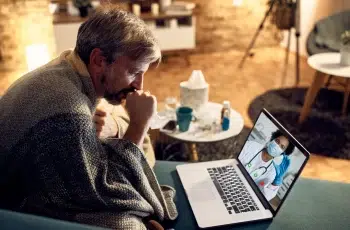
- Telehealth certificates are usually accepted if issued by an Australian-registered practitioner.
- Many workplaces accept them, especially when accessing an online GP or in-person appointment is difficult.
Other recognised health practitioners
Some workplaces may also accept certificates or letters from other providers.- Pharmacists, psychologists, physiotherapists, or other allied health professionals
- Acceptance often depends on workplace policy and the reason for the absence
Are online medical certificates legal in Australia?
In general, yes. Digital or telehealth medical certificates can be valid in Australia when issued by a properly qualified and registered practitioner, such as one registered with AHPRA. The key point is legitimacy:- The certificate must come from a real, registered health professional.
- It should meet professional standards, including a proper medical assessment.
What information can be shared on sick leave evidence?
Most certificates or supporting letters only need to include essential details.- The practitioner’s name and provider details (often including registration information)
- The dates you are unfit for work or required to provide care
- Confirmation that you are unfit for work without stating a diagnosis
- Whether the leave relates to personal illness or carer’s leave
What employers and institutions can ask for
Employers and education providers may request reasonable information such as:- Evidence covering the dates of absence, particularly for longer or repeated leave
- Confirmation of how long you may be away to assist with planning workloads or rosters
- Basic verification checks to confirm the certificate is genuine, such as provider details
What they generally can’t demand
In most everyday situations, employers and institutions should not demand:- Your diagnosis or detailed medical condition
- Your full medical history
- Evidence unrelated to the absence
- Access to medical records without your consent
Sick leave and privacy for different groups
Full-time and part-time employees
- You can use accrued personal leave.
- Your privacy rights apply in full.
Casual workers
- Casuals usually don’t receive paid personal leave under the NES.
- Your medical information remains private if you choose to provide evidence.
International students
- Institutions may have attendance and evidence requirements.
- Requests for excessive medical detail can still be inappropriate.
Carers and parents
- Carer’s leave may apply when eligibility criteria are met.
- Evidence should support the leave without forcing unnecessary disclosure.
Important rules and limits to know
- Requests for evidence should be reasonable and proportionate, not a fishing expedition.
- Medical certificates generally cannot be backdated, as clinicians usually need to assess you first.
- Certificates are not intended to cover predicted future illness, except in planned recovery situations.
- Workplace policies can vary but must remain lawful and fair.
- Health information should be treated as sensitive and stored securely.
Common misconceptions
- “My boss can demand my diagnosis.” Usually no. Confirmation of unfitness is typically enough.
- “Privacy doesn’t apply if you’re casual.” Privacy still applies regardless of employment type.
- “Evidence only matters for long absences.” Some workplaces can request evidence for single-day absences.
- “Online certificates aren’t accepted.” Many are accepted when issued properly by a registered practitioner.
Conclusion
Sick leave exists so you can recover and return to work safely. Employers can request evidence that you were genuinely unfit for work, but they don’t automatically have a right to your personal medical details. Understanding these boundaries helps you take leave confidently, protect your privacy, and avoid feeling pressured to overshare.FAQs
When can an employer ask for proof of sick leave?
- Sometimes for a single day, and more often for repeated or longer absences.
- The request should be reasonable and consistent with workplace policy.
Are online medical certificates accepted in Australia?
- Often yes, if issued by a properly registered practitioner, such as through AHPRA-registered services.
Do employees have to disclose their diagnosis to employers?
- Usually no. Employers typically only need confirmation that you were unfit for work.
See a Aussie GP online, available 24/7
Download the app today.


Related Articles

Disclaimer
This blog is for general informational purposes only and does not indicate that Hola Health provides all treatments or preventive measures mentioned. It is not intended to be a substitute for professional medical advice. Always seek the guidance of your doctor or other qualified health professional with any questions you may have regarding your health or a medical condition. For emergencies please immediately contact 000. Any medical topics discussed are intended to educate, not to imply availability through Hola Health.