

What to do if you have no GP?
Contents
 Facebook
  X
X  Copy Link
Overview
A general practitioner (GP) is a doctor who looks after everyday health concerns, such as diagnosing illnesses, managing long-term conditions, prescribing medication, and referring patients to specialists when required. In Australia, a GP is usually the first doctor people see for medical issues. Having no GP means a person does not have a regular doctor they visit generally for their health concerns. Instead, they may visit different clinics or doctors whenever they need medical care, without building an ongoing medical relationship. Note: The content of this blog is for informational purposes only and does not replace professional medical diagnosis, advice, or treatment.How common is it to not have a regular GP in Australia?
Not having a regular GP is becoming more common in Australia. According to data from the Australian Institute of Health and Welfare, approximately 83% of Australians reported they had a regular general practitioner (GP) in 2022. This means that roughly 1 in 6 individuals do not have a consistent doctor. Various factors can contribute to this situation, including a shortage of available GPs, extended wait times for appointments, changes in residence, or a preference for walk-in clinics or telehealth options.Why having a regular GP is important for your health?
Having a regular GP has many health benefits:- Preventative care- Routine check-ups and screenings can help identify problems early.
- Continuity of care- Your doctor understands your medical history and health needs.
- Better chronic disease management- Conditions such as diabetes, heart disease, or asthma can be managed more efficiently.
- Trusted medical guidance- Patients may feel more at ease discussing personal or sensitive health concerns with a doctor they know.
- Consistent medical records- One clinic keeps a record of your medications, tests, allergies, and previous treatments.
Common reasons people do not have a GP
Many Australians do not have a regular GP for practical reasons, including:- Choosing walk-in clinics or telehealth services instead.
- Relocating to a new city or region.
- Difficulty getting timely appointments at local clinics.
- Limited availability of clinics that provide bulk billing.
- Busy lifestyles make scheduling appointments difficult.
- Living in rural or remote areas where GP services are limited.
What to do if you need medical care without a GP
Even without a regular GP, there are multiple ways to receive medical care. Practical options include:- Check with your local medical clinic whether they accept new or walk-in patients.
- Use telehealth GP services for online consultations.
- Consult a local pharmacist for minor health problems.
- Visit an urgent care clinic for non-life-threatening problems.
- Visit a hospital emergency department if symptoms worsen.
Where to find a GP accepting new patients
If you are looking for a regular doctor, these resources can help:- Local Primary Health Networks (PHNs) that provide community health listings
- Online GP directories that list clinics currently accepting new patients.
- Community health centres in your local area.
- Suggestions from friends, family, or neighbours.
- Telehealth platforms that offer regular GP care.
Using telehealth when you don’t have a GP
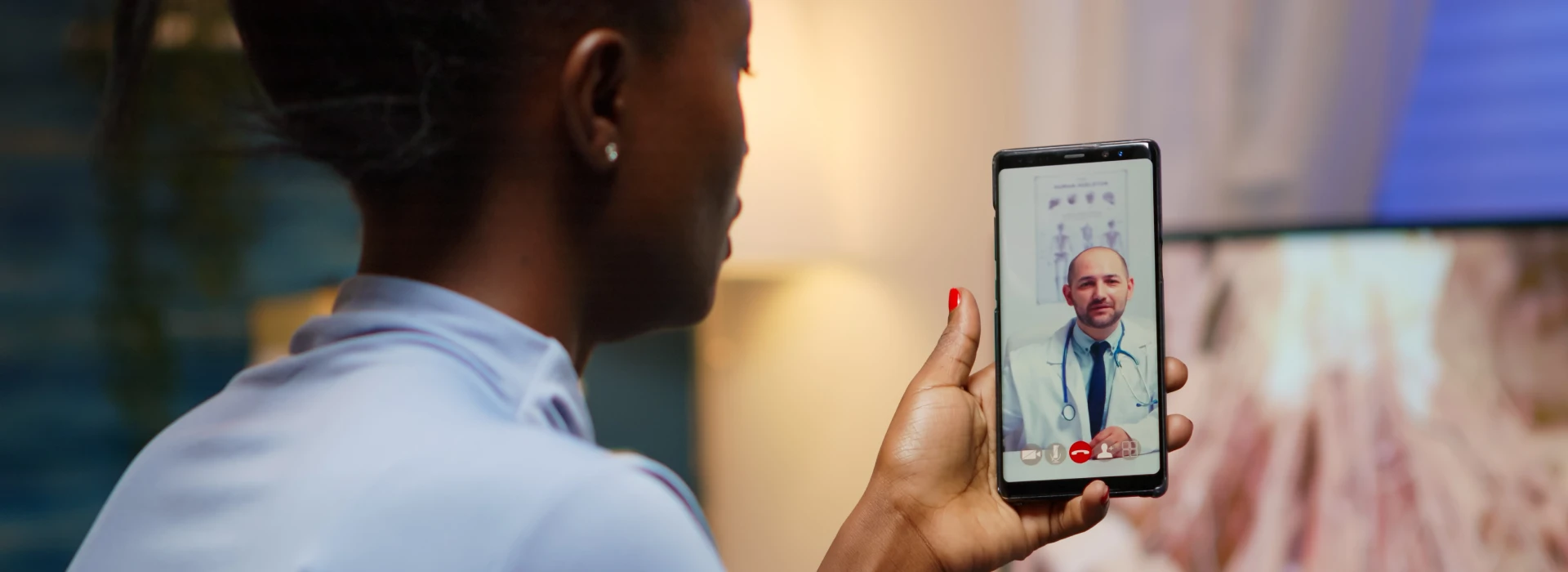
Telehealth has made it easier for Australians to access healthcare, even if they don’t have a regular GP. Online GP services may offer:- Consultations by phone or video.
- Electronic prescriptions (eScripts)
- Medical certificates for work or study
- Referrals for tests or specialist appointments
- Follow-up advice for lasting symptoms
Visiting a walk-in or urgent care clinic
Walk-in clinics allow patients to receive care without booking an appointment. These clinics are useful for:- Cold, flu or infections
- Mild allergic reactions
- Minor injuries
- Prescription renewals
- General health checks
Pharmacies that can help with minor health concerns
Community pharmacists play a vital role in everyday healthcare. Pharmacists can help with:- Advice on over-the-counter medications.
- Guidance on medication use and safety.
- Suggestions for managing minor illnesses.
- Vaccinations available
- Support for common conditions such as allergies, colds, and skin irritations.
When to go to the emergency department instead
If symptoms worsen or become life-threatening, prompt medical attention is essential. Seek emergency care if you experience:- Severe breathing problems
- Chest pain or pressure
- Heavy bleeding or serious injury
- Signs of stroke (arm weakness, speech problems, or face drooping)
- Loss of consciousness
How to choose the right GP for you
When selecting a new GP, it is helpful to consider factors such as:- The clinic’s location and travel convenience
- Availability of appointments
- The clinic’s operating hours
- The doctor’s areas of medical interest (such as chronic conditions or women’s health).
- Whether the clinic provides telehealth services
- Bulk billing options or consultation fees
Steps to register with a new GP clinic
Registering with a GP clinic is generally simple. Here are a few easy steps to follow:- Look for clinics accepting new patients.
- Call the clinic or book an appointment online.
- Present identification along with your Medicare details
- Fill out a new patient form outlining your medical history
- Attend your first consultation and discuss your health concerns.
Questions to ask when choosing a GP
Before choosing a GP, it can be helpful to ask:- Does the clinic offer bulk billing or mixed billing?
- Are telehealth appointments offered?
- What is the duration of a standard appointment?
- Is it easy to schedule a follow-up appointment?
- Does the clinic provide after-hours medical care?
Tips for building a long-term relationship with your GP
Building a strong relationship with your GP can help improve your overall health. Helpful tips include:- Going to the same clinic for almost all medical concerns.
- Informing your doctor about new symptoms or health changes
- Keeping a track of your medications
- Follow recommended check-ups and screenings
- Asking questions about your treatment or care.
Can telehealth help if you don’t have a regular GP
Yes. Telehealth can provide convenient access to healthcare while you look for a regular GP. They can help with:- Online GP consultations
- Electronic prescriptions
- Medical certificates
- Specialist referrals
- Follow-up care and health advice
How Hola Health can help
Hola Health offers telehealth services that allow Australians to access GP care from home. Here are a few services they offer:- Online GP consultations
- Medical certificates for work or study
- Electronic prescriptions sent directly to pharmacies
- Specialist and pathology referrals
- Follow-up care and medical advice
Conclusion
It is quite common in Australia for people to not have a regular GP, and they rely on walk-in clinics, pharmacies, or telehealth for medical support. While these options can provide treatment when needed, they may make it difficult to maintain consistent medical records and ongoing health needs. Finding a regular GP can support better long-term health management and preventative care. Until then, options such as telehealth consultations, urgent care clinics, and community pharmacies provide convenient ways to access medical care and advice when necessary.Reference
- General practice, allied health, and other primary care services - reference link
- Australian Government Department of Health, Disability, and Ageing - reference link
See a Aussie GP online, available 24/7
Download the app today.


Related Articles
Disclaimer
This blog is for general informational purposes only and does not indicate that Hola Health provides all treatments or preventive measures mentioned. It is not intended to be a substitute for professional medical advice. Always seek the guidance of your doctor or other qualified health professional with any questions you may have regarding your health or a medical condition. For emergencies please immediately contact 000. Any medical topics discussed are intended to educate, not to imply availability through Hola Health.