

Navigating The Depths Of Depression: Understanding, Coping, And Seeking Help

Contents
 Facebook
  X
X  Copy Link
Summarise with AI:
 ChatGpt
  Google AI Mode
  Perplexity
  Claude
 This blog is for educational purposes only and does not replace professional medical advice or diagnosis. If you have health concerns, consult an AHPRA-registered telehealth GP or request a medical certificate online if clinically appropriate.
Overview
Depression is more than simply feeling sad or having a bad day. It is a serious mental health condition that affects your thinking patterns, behaviour, and even your physical health. It has an impact on every aspect of your life, from how you sleep and eat to how you connect with people around you. The comforting news is that depression is also one of the most well-understood and manageable mental health conditions. With the right support and treatment, most people improve their quality of life.What is depression?
Depression is a mood disorder marked by persistent low mood, a loss of interest or pleasure in everyday activities, and a reduced ability to function in daily life. While it can affect anyone, it is important to understand that it is not a character flaw or a sign of weakness; it is a medical condition that responds to professional management and care.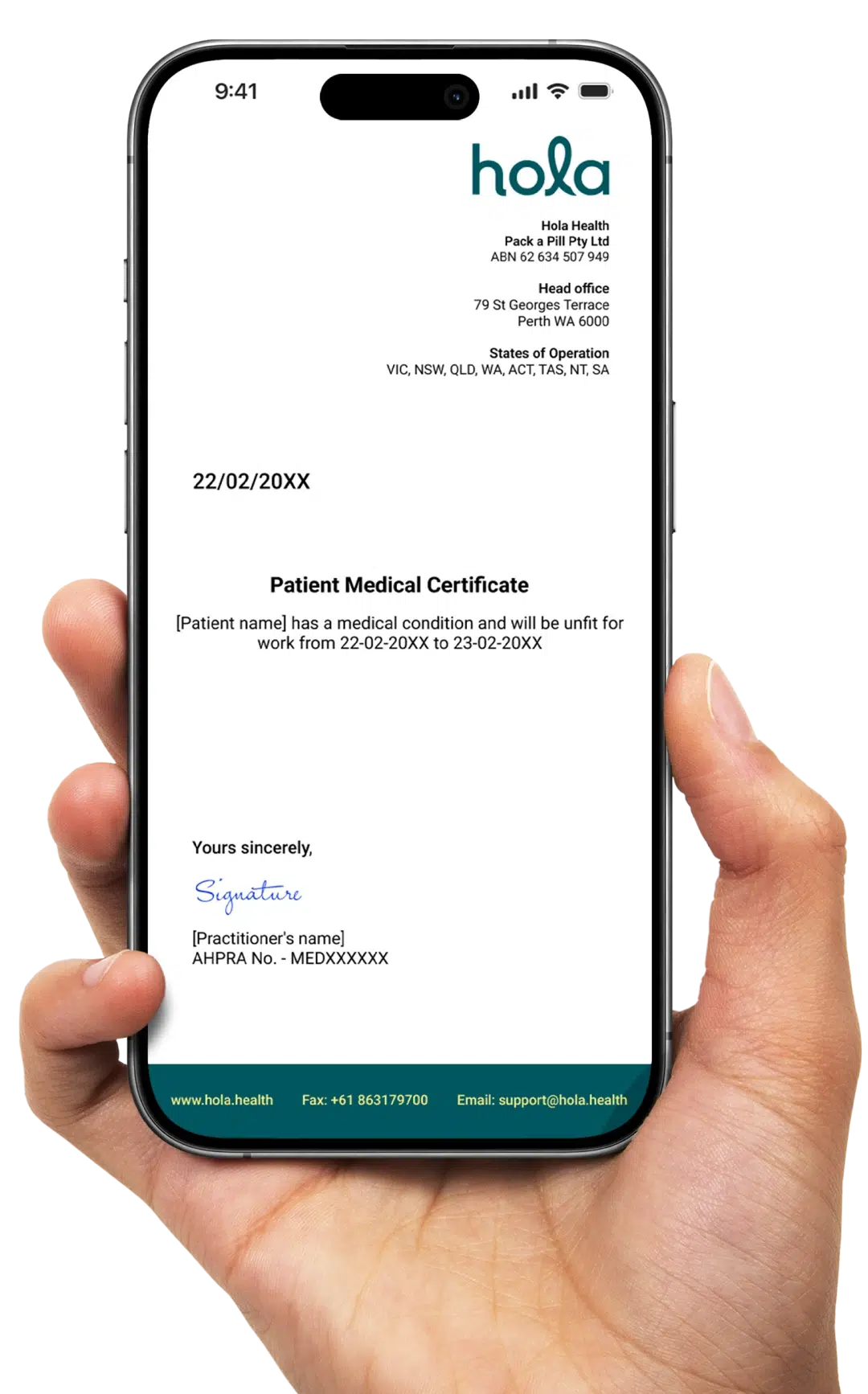
How common is depression in Australia?
Depression is quite common in Australia. According to Beyond Blue, one in seven Australians will experience depression at some point in life. It affects people of all ages, backgrounds, and walks of life.Understanding depression
Common symptoms of depression: Depression can manifest differently in each person. However, there are some common signs to be aware of:- Persistent sadness or emptiness
- Loss of interest or pleasure in activities you used to enjoy
- Fatigue or low energy, even after rest
- Sleep disturbances
- Changes in appetite or weight
- Difficulty concentrating
- Feelings of guilt or worthlessness
- Thoughts of self-harm or suicide
Emotional, physical, and behavioural impact
Depression doesn’t only affect your mood; it reaches into almost every corner of your life. It can strain relationships, make it difficult to keep up at work or study, encourage social withdrawal, and cause physical symptoms like headaches, digestive problems, or chronic pain. Gradually, untreated depression can intensify these effects, making timely support essential.Types of depression
Depression is not the same for everyone. There are several recognised types, each with distinct features:- Major Depressive Disorder: This type is characterised by a persistent low mood lasting at least two weeks, significantly affecting daily life.
- Persistent depressive Disorder (Dysthymia): A longer-lasting but usually less severe form of depression, lasting for two years or more. People with dysthymia may feel consistently low or emotionally flat, without experiencing intense depressive episodes.
- Seasonal Affective Disorder (SAD): This type is linked to seasonal changes, often occurring in winter. While less common in Australia’s generally sunny climate, it may still occur, especially in southern states.
- Postnatal Depression: This type affects some parents during pregnancy or after the birth of a child. It is more than the usual “baby blues”, often involving persistent feelings of sadness, anxiety, and challenges in bonding with the baby. It can affect both mothers and fathers.
- Depression linked to Bipolar Disorder: People with bipolar disorder experience episodes of depression and elevated mood or energy. These depressive episodes can be severe and may need specialised treatment and care.
Why does depression happen?
Depression is usually the result of a combination of biological, psychological, and social factors.- Biological factors: Brain chemistry plays an important role. Imbalances in neurotransmitters (chemicals that carry signals in the brain), hormonal changes, and a family history of depression may increase the risk.
- Psychological factors: Negative thinking patterns, low self-esteem, a history of trauma or abuse, and unhealthy coping strategies like avoidance or overthinking can sometimes worsen emotional struggles, making depression more likely or more persistent.
- Social and environmental factors: Life circumstances really matter. Financial struggles, relationship strains, isolation, major life changes like job loss or bereavement, and chronic stress can all worsen depression. In Australia, issues like rising housing costs and rural isolation can heighten the risk for some communities.
Coping with depression
If you’re struggling with depression, these practical steps may help:- Establishing a simple daily routine
- Getting some gentle physical activity
- Reaching out to someone trusted
- Breaking tasks into smaller, manageable steps
- Limiting alcohol consumption
Long-term management strategies
Managing depression over the longer term often involves a mix of approaches:- Psychological therapy, such as Cognitive Behavioural Therapy (CBT)
- Medication, where clinically appropriate
- Building social support
- Stress management techniques
- Ongoing monitoring and regular check-ins
When to seek professional help
It can be difficult to determine when a low mood crosses the line and needs professional attention. Consider speaking to a doctor or medical practitioner if you notice any of the following:- Symptoms lasting more than two weeks
- Depression impacting work or relationships
- Worsening mood
- Feelings of hopelessness
- Thoughts of self-harm or suicide
How is depression diagnosed?
Depression is diagnosed through a clinical assessment by a medical practitioner or mental health professional. A medical practitioner will assess your symptoms, their severity and duration, and how much they are affecting your daily life. They will also rule out other potential medical causes that can feel similar to depression symptoms.Treatment options for depression
Treatment depends on the individual, but a doctor will work with you to find what suits your needs. Options may include:- Psychological therapies
- Antidepressant medications
- Mental health care plans
- Lifestyle changes
- Specialist referrals if required
Can telehealth help with depression?
Yes, telehealth offers a practical and accessible way to begin getting support for depression. An online consultation with a doctor may include a thorough mental health assessment, discussion of management options, a referral to a psychologist or psychiatrist if appropriate, and, if clinically indicated, a prescription may be offered following clinical evaluation and at the discretion of the treating doctor. Telehealth is very convenient, though it is important to note that some conditions may require a physical examination and that online consultations have limitations. A medical practitioner may determine that a physical examination is necessary to rule out underlying physical causes of your symptoms, requiring an in-person visit.Supporting someone with depression
If someone you care about is suffering from depression, your support can make a big difference. Here are some ways to help:- Listen without judgment
- Encourage them to seek professional support
- Avoid minimising their feelings
- Check in regularly
Conclusion
Depression is extremely common in Australia, but it is not permanent. With the right support, most people successfully manage symptoms and live meaningful lives. The earlier you seek help, the better your chances of healing. Reaching out is not a sign of weakness; it is a sign of courage and an important step toward better mental health. Disclaimer: The content of this blog is for informational purposes only and does not replace professional medical diagnosis, advice, or treatment.FAQs
What are the early signs of depression?
Early signs of depression may include low mood, irritability, loss of motivation, sleep disturbances, fatigue, and social withdrawal.How long does depression last?
It varies. Some episodes last weeks, while others may continue longer without treatment.Can depression go away on its own?
Minor symptoms may improve, but ongoing or severe symptoms often need professional support.What treatments are most effective for depression?
Common treatments include lifestyle changes, therapy, social support, and medication, where clinically appropriate.Can I get a mental health care plan online?
In some cases, yes. A doctor may provide a mental health care plan via telehealth if clinically appropriate, though some situations may require an in-person assessment.Medical certificate issued by an AHPRA-registered practitioner
Request a med certAvailable 24/7, if approved
Reference
Depression - reference linkSee a Aussie GP online, available 24/7
Download the app today.


Related Articles

How to Stop Overthinking? Easy Tips From Experts

Navigating the Depths of Depression: Understanding, Coping, and Seeking Help

Disclaimer
This blog is for general informational purposes only and does not indicate that Hola Health provides all treatments or preventive measures mentioned. It is not intended to be a substitute for professional medical advice. Always seek the guidance of your doctor or other qualified health professional with any questions you may have regarding your health or a medical condition. For emergencies please immediately contact 000. Any medical topics discussed are intended to educate, not to imply availability through Hola Health. Hola Health's telehealth services facilitate access to AHPRA-registered healthcare professionals in Australia; however, a telehealth consultation is not equivalent to an in-person medical examination. Telehealth may not be appropriate for all conditions, symptoms, or circumstances.