
Contents
Tips for seasonal allergy sufferers: GP-recommended

 ChatGpt
  Google AI Mode
  Perplexity
  Claude
 This blog is for educational purposes only and does not replace professional medical advice or diagnosis. If you have health concerns, consult an AHPRA-registered telehealth doctor or request a medical certificate online if clinically appropriate. Please note: Hola Health does not currently offer Mental Health Care Plans.
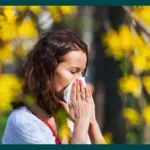
Seasonal allergies occur when your immune system responds to allergens that are more prevalent during specific seasons. In Australia, a rise in pollen during spring and early summer can lead to symptoms such as sneezing, itchy eyes, nasal congestion, and fatigue.
Below are GP-recommended strategies to help you navigate allergy season more comfortably.
Identify and avoid triggers
Begin by recognising what triggers your symptoms. Common allergens in Australia include pollen, dust mites, pet dander, and mould spores. Use pollen-tracking apps or websites to plan your activities, and keep windows closed on high-pollen days.
Where possible, limit outdoor activities during early morning hours or on windy days, when pollen levels are highest.
Keep indoor air clean
Maintaining a clean indoor environment can significantly reduce allergy symptoms. Use an air purifier with a HEPA filter to trap airborne allergens. Vacuum regularly with a HEPA-filter vacuum and wash bedding weekly in hot water to reduce pollen and dust mites.
Maintain good nasal hygiene
Good nasal hygiene helps minimise irritation and congestion. Saline nasal sprays or rinses can flush allergens from the nasal passages, while a humidifier may help keep nasal tissues moist and relieve discomfort.
Try over-the-counter relief (with GP advice)
Over-the-counter medications can offer fast and effective symptom relief. Non-drowsy antihistamines may reduce sneezing and itching, while nasal corticosteroid sprays can help manage ongoing inflammation. Eye drops may also ease itchy or watery eyes.
Always consult an online GP before combining treatments or starting new medications.
Consider allergy testing
If symptoms are recurring or unclear, allergy testing may help identify specific triggers. Knowing exactly what you’re reacting to allows your GP to create a more personalised and effective prevention plan.
Lifestyle and home remedies
Simple lifestyle adjustments can make allergy season easier to manage. Shower and change clothes after spending time outdoors to remove pollen, and dry laundry indoors to avoid bringing allergens inside.
Maintaining a balanced diet and staying well hydrated can also support your immune system and overall wellbeing during allergy season.
See an AHPRA-registered doctor online, anytime
24/7 across Australia
When to consult a GP
Seeking professional help is important when allergy symptoms become difficult to manage. Consult a doctor if your symptoms persist despite over-the-counter treatments or if allergies interfere with your sleep, concentration, or daily activities.
Telehealth appointments offer a convenient way to access professional care from the comfort of your home.
How Hola Health can help
Hola Health provides fast and reliable care for allergy symptoms. You can book an online GP consultation to help diagnose allergies and receive prescription treatments when needed.
The platform also offers access to antihistamines and other allergy relief medications through convenient online prescriptions.
Arrange an online GP consultation with Hola Health to manage your seasonal allergies safely and effectively.
Conclusion
Managing seasonal allergies is easier when you understand your triggers and follow GP-approved strategies. By taking early action and seeking professional advice when needed, you can enjoy Australia’s changing seasons with fewer disruptions to your daily life.
FAQ
Spring (September to November) is typically the peak allergy season, although some regions may experience high pollen levels during summer as well.
Yes. “Hay fever” is the common term for allergic rhinitis caused by seasonal allergens.
Yes. Allergies can change over time, with some people developing new sensitivities or experiencing more severe symptoms as they get older.
Some natural remedies, such as saline nasal rinses, may help relieve symptoms. However, they should support not replace medical treatments. Always consult a GP before relying solely on natural remedies.
If your symptoms persist, interfere with daily life, or do not improve with basic treatments, it’s best to seek advice from a GP.
Authors

Editorial staff
Medically reviewed by

Dr Nelson Lau
MBBS FRACGP, General Practitioner
30+ Years of Experience
Dr Nelson Lau is a highly experienced Doctors in Australia and digital health innovator with over 30 years of clinical practice. He is a graduate of the University of Western Australia and a Fellow of the Royal Australian College of General Practitioners (FRACGP).

Dr Ammar Al-Ani
General Practitioner - MBChB, CCBST, AMC
28+ Years of Experience
Dr Ammar Al-Ani is an experienced GP with over 28 years of clinical practice, including a strong background in surgery and primary care. He delivers evidence-based telehealth consultations, offering comprehensive and patient-focused care across a wide range of conditions.
Disclaimer
This blog is for general informational purposes only and does not indicate that Hola Health provides all treatments or preventive measures mentioned. It is not intended to be a substitute for professional medical advice. Always seek the guidance of your doctor or other qualified health professional with any questions you may have regarding your health or a medical condition. For emergencies please immediately contact 000. Any medical topics discussed are intended to educate, not to imply availability through Hola Health.
Note: At Hola Health, we're committed to offering trustworthy, accurate and up-to-date health information. Our Editorial Process entails thorough research, fact- checking, and medical review by doctors in diverse health fields, including medical practitioners, doctors, and psychotherapists based in Australia. We take guidance from qualified Australian doctors. We prioritise primary sources and avoid tertiary references wherever possible.
See a Aussie GP online, available 24/7
Download the app today.