
Contents
Stye self-care: Home remedies & treatment
 ChatGpt
  Google AI Mode
  Perplexity
  Claude
 This blog is for educational purposes only and does not replace professional medical advice or diagnosis. If you have health concerns, consult an AHPRA-registered telehealth doctor or request a medical certificate online if clinically appropriate. Please note: Hola Health does not currently offer Mental Health Care Plans.
Overview
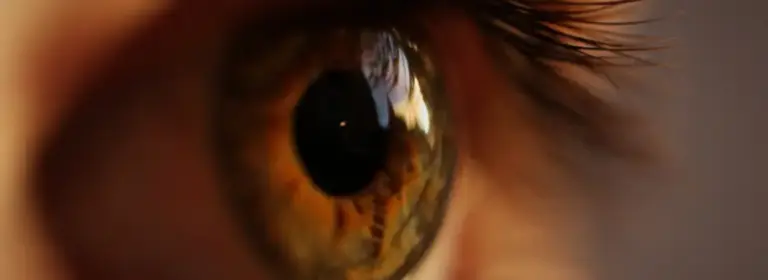
We’ve all been there. You wake up one morning, glance in the mirror, and notice a red, swollen bump on your eyelid. Yes, you’ve got yourself a stye. But before you panic, let’s break down what you’re dealing with and how to handle it.
The dreaded stye: what is it, really?
Essentially, a stye (or hordeolum, it’s medical name) is like a tiny pimple on your eyelid. It happens when bacteria decide to infect the oil glands around your eyelashes. Imagine your eyelid’s oil glands are like tiny pipes. When these pipes get clogged, bacteria move in and cause inflammation, leading to the painful red bump. There are two main types of styes:
- External hordeolum: This is the most common type, forming on the outer edge of your eyelid. It’s basically a blocked eyelash follicle or oil gland.
- Internal hordeolum: This type forms on the inner part of your eyelid due to an infected oil gland in the eyelid’s inner lining.
What is a stye?
A stye is a small, red, and painful bump that appears on the edge of your eyelid. It happens when an eyelash follicle or oil gland becomes blocked or infected — usually from bacteria.
Causes
- Bacterial infection – Most often caused by Staphylococcus
- Blocked oil glands – Trapped oil or debris can lead to inflammation.
- Poor eyelid hygiene – Not cleaning makeup or touching eyes with dirty hands.
- Old or contaminated makeup – Can introduce bacteria to the eyelid.
Risk factors
- Wearing contact lenses, especially if not cleaned properly
- Using old or shared makeup
- Having underlying skin conditions like rosacea or seborrheic dermatitis
- Frequent eye rubbing
Symptoms
You might notice one or more of these signs:
- A small painful lump on the eyelid
- Swelling or redness around the eye
- Watery eyes
- A crusty eyelid or mild discharge
- Feeling like there’s something in your eye
Lifestyle and preventive tips
Keeping your eyelids clean and avoiding bacteria contact can go a long way. Try these easy steps:
- Wash hands before touching your face or eyes
- Remove makeup before bed every night
- Avoid sharing makeup or face towels
- Replace eye makeup every 3–6 months
- Use warm compresses if your eyelids feel irritated
Home remedies
While styes often clear up on their own, there are a few things you can do to speed up the process:
Warm compress
This is your go-to remedy. Think of it as a soothing spa treatment for your eyelid. Simply soak a clean washcloth in warm water (not too hot), wring it out, and hold it against your closed eye for 10-15 minutes, several times a day. The warmth helps to draw out the pus and encourages the stye to drain naturally.
Tea bag compress
Some people find that using a warm, damp tea bag (black or green tea) works even better. The tannins in tea have anti-inflammatory properties. Just make sure the tea bag isn’t too hot!
Gentle massage
After applying a warm compress, you can gently massage the area around the stye to help with drainage. But remember, be gentle – you don’t want to cause any further irritation.
Keep it clean
This might seem obvious, but keeping the area around your eye clean is crucial. Avoid touching your eye, and gently clean your eyelids with a mild, fragrance-free soap and water.
Hands off
Resist the urge to squeeze or pop the stye. It’s tempting for sure, but it can actually push the infection deeper and make things worse.
When to seek professional help
Sometimes, a stye can be a bit more stubborn or lead to complications. It’s time to call your doctor if:
- The stye is very painful or doesn’t improve after a week of home care.
- Your vision is affected.
- The redness and swelling spread beyond your eyelid.
- You have recurring styes.
Questions to ask your doctor
Don’t be shy about asking questions – Here are a few to get you started:
- What is the best treatment for my stye?
- Are there any over-the-counter medications that can help?
- Should I avoid wearing makeup or contact lenses?
- What can I do to prevent styes in the future?
Get medical certificate sent via SMS, if approved
24/7 across Australia
How Hola health can Help Australians
With Hola health, you can connect to an online Australian-registered GP without leaving home. A doctor can:
- Check if it’s a stye or another eyelid condition
- Recommend safe treatments or antibiotic ointments if needed
- Advise when to see an eye specialist if swelling worsens
FAQ
Most styes clear up on their own within a week or two. Warm compresses can speed up recovery.
They’re usually not contagious, but bacteria can spread through shared towels or makeup. Always keep things personal and clean.
It’s best to avoid contact lenses until the stye heals to prevent further irritation or infection.
Usually not, but if the swelling spreads, doesn’t improve, or affects your vision — see a doctor. It could be a deeper infection like a chalazion or cellulitis.
The good news is that styes aren't directly contagious like a cold. You can't catch one from someone else. However, the bacteria that cause them can be spread through contact. So, avoid sharing towels, makeup, or anything else that touches your eyes, especially when you have a stye.
Authors

Medically reviewed by
Dr Nelson Lau
MBBS FRACGP, General Practitioner
30+ Years of Experience
Dr Nelson Lau is a highly experienced Doctors in Australia and digital health innovator with over 30 years of clinical practice. He is a graduate of the University of Western Australia and a Fellow of the Royal Australian College of General Practitioners (FRACGP).
Disclaimer
This blog is for general informational purposes only and does not indicate that Hola Health provides all treatments or preventive measures mentioned. It is not intended to be a substitute for professional medical advice. Always seek the guidance of your doctor or other qualified health professional with any questions you may have regarding your health or a medical condition. For emergencies please immediately contact 000. Any medical topics discussed are intended to educate, not to imply availability through Hola Health.
Note: At Hola Health, we're committed to offering trustworthy, accurate and up-to-date health information. Our Editorial Process entails thorough research, fact- checking, and medical review by doctors in diverse health fields, including medical practitioners, doctors, and psychotherapists based in Australia. We take guidance from qualified Australian doctors. We prioritise primary sources and avoid tertiary references wherever possible.
See a Aussie GP online, available 24/7
Download the app today.