

Sleep apnoea: what is it and how to fix it?
Contents
 Facebook
  X
X  Copy Link
Overview
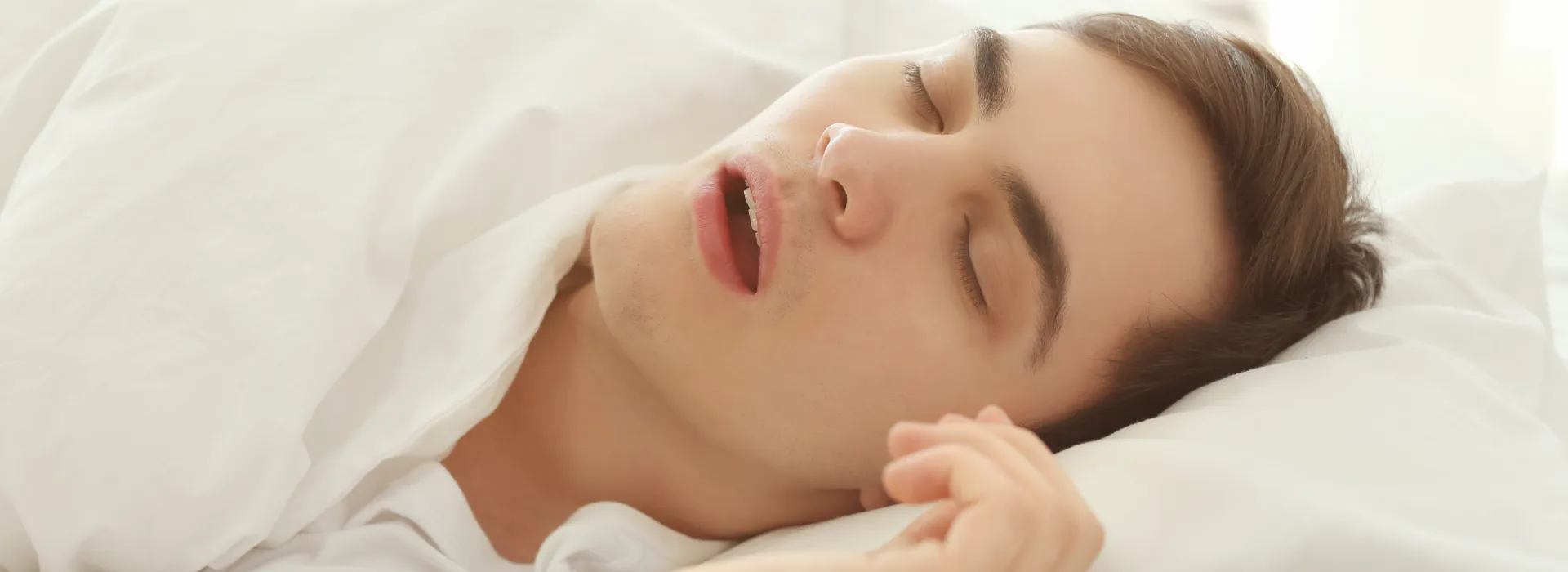
Sleep apnoea may sound like a fancy sleepover game, but it’s anything but fun—it’s a serious condition that can rob you of restful sleep and leave you feeling drained and exhausted during the day. Imagine being comfortable in bed, yet your breathing repeatedly stops and starts, causing snoring or making you wake up feeling even more tired. It’s a frustrating experience that affects around 1 in 4 Australian men over the age of 40 years1. Understanding sleep apnoea and recognising its symptoms can help you seek appropriate care and improve your sleep quality and overall health.
Note: The content of this blog is for informational purposes only and does not replace professional medical diagnosis, advice, or treatment.
What is sleep apnoea?
Sleep apnoea is a serious sleep disorder marked by repeated interruptions in breathing during sleep. These pauses may last from a few seconds to minutes and can occur many times throughout the night. The most common type, obstructive sleep apnoea (OSA), occurs when the throat muscles relax excessively, blocking the airway. Other types include central sleep apnoea (CSA), where the brain fails to send proper signals to the muscles that control breathing, and complex sleep apnoea, which combines features of both obstructive and central sleep apnoea.
Cause of sleep apnoea
Several factors may contribute to the development of sleep apnoea, including:
- Obesity: Excess weight can cause fat deposits around the neck, which may narrow or block the airway.
- Age: The risk of sleep apnoea increases with age due to reduced muscle tone and tissue elasticity.
- Physical characteristics: Structural differences in the throat, jaw, or nasal passages may increase the likelihood of airway obstruction.
- Lifestyle factors: Alcohol consumption can relax throat muscles during sleep, increasing the risk of airway blockage.
What are the symptoms?
Common symptoms of sleep apnoea include:
- Morning headaches
- Loud snoring
- Poor quality sleep
- Depression and anxiety
- Dry mouth or sore throat
- Poor concentration
- Irritability
- Reduced sex drive
- Fatigue
- Gasping or choking during sleep
- Excessive daytime sleepiness
- Night sweats
- Frequent nighttime urination
If you suspect that you may have sleep apnoea, it is important to consult a healthcare professional for proper evaluation and treatment options.
How is sleep apnoea managed?
To effectively manage sleep apnoea, the following approaches may be recommended depending on the severity and underlying cause:
- Making lifestyle changes: Losing excess weight, engaging in regular physical activity, and maintaining a nutritious diet can significantly help reduce symptoms.
- Using CPAP therapy: Continuous Positive Airway Pressure (CPAP) therapy uses a machine that delivers steady air pressure to keep the airways open during sleep.
- Utilising oral appliances: Special dental devices can reposition the jaw or tongue to help keep the airway open.
- Applying positional therapy: Sleeping on your side instead of your back may help improve airflow and reduce breathing interruptions.
- Considering surgery: In some cases, surgical procedures may be recommended to remove excess tissue or correct structural issues in the airway.
- Addressing nasal congestion: Treating nasal congestion may help improve airflow and breathing during sleep.
- Utilising medications: In some situations, medications may be recommended to help manage associated symptoms.
- Maintaining a regular sleep schedule: Following consistent sleep and wake times can help regulate sleep patterns and improve overall sleep quality.
Note: This information is for educational purposes only. Consult a GP before making lifestyle changes or trying home remedies to ensure they are appropriate for your condition.
How serious is sleep apnoea?
Sleep apnoea is a potentially serious condition that can lead to several long-term health complications if left untreated. These may include cardiovascular disease, high blood pressure, diabetes, and an increased risk of stroke. It can also reduce sleep quality, leading to excessive daytime fatigue, irritability, and difficulty concentrating. Proper diagnosis and treatment are important to reduce health risks and improve quality of life.
Note: If you experience severe breathing difficulty, sudden gasping, or chest pain, call 000 immediately or visit your nearest Emergency Department.
How does sleep apnoea affect my body?
Sleep apnoea disrupts normal sleep patterns and repeatedly reduces oxygen levels in the body during sleep. This can lead to persistent tiredness, poor concentration, irritability, and reduced productivity during the day. Over time, untreated sleep apnoea may increase the risk of serious health conditions such as high blood pressure, heart disease, stroke, and diabetes. Poor sleep may also weaken the immune system and negatively affect overall wellbeing.
When to consult a doctor?
Consult an online doctor or visit a GP in person if you experience ongoing symptoms such as loud snoring, gasping or choking during sleep, severe daytime fatigue, or difficulty concentrating. It is particularly important to seek medical advice if these symptoms occur alongside mood changes, increased irritability, or a history of cardiovascular conditions. Early diagnosis and treatment can help prevent complications.
Note: While a telehealth consultation can be a convenient first step, a physical examination or referral for a sleep study (polysomnography) may be required for an accurate diagnosis.
How can Hola help?
Hola Health provides access to GP consultations where you can discuss your symptoms and concerns. A GP may provide a referral for a sleep study, offer pathology referrals, or help manage lifestyle factors and related conditions associated with sleep apnoea to improve your overall health and sleep quality.
In conclusion
Sleep apnoea does not have to take control of your nights. By understanding the condition and exploring appropriate treatment options—from lifestyle changes to therapies such as CPAP—you can improve your sleep and overall wellbeing. Taking proactive steps toward diagnosis and treatment can help you regain restful nights and better daytime energy. With the right support and care, better sleep is within reach.
See a Aussie GP online, available 24/7
Download the app today.


Related Articles


Disclaimer
This blog is for general informational purposes only and does not indicate that Hola Health provides all treatments or preventive measures mentioned. It is not intended to be a substitute for professional medical advice. Always seek the guidance of your doctor or other qualified health professional with any questions you may have regarding your health or a medical condition. For emergencies please immediately contact 000. Any medical topics discussed are intended to educate, not to imply availability through Hola Health.