

Rosacea – Symptoms, Causes, And Treatment
Contents
 Facebook
  X
X  Copy Link
Overview
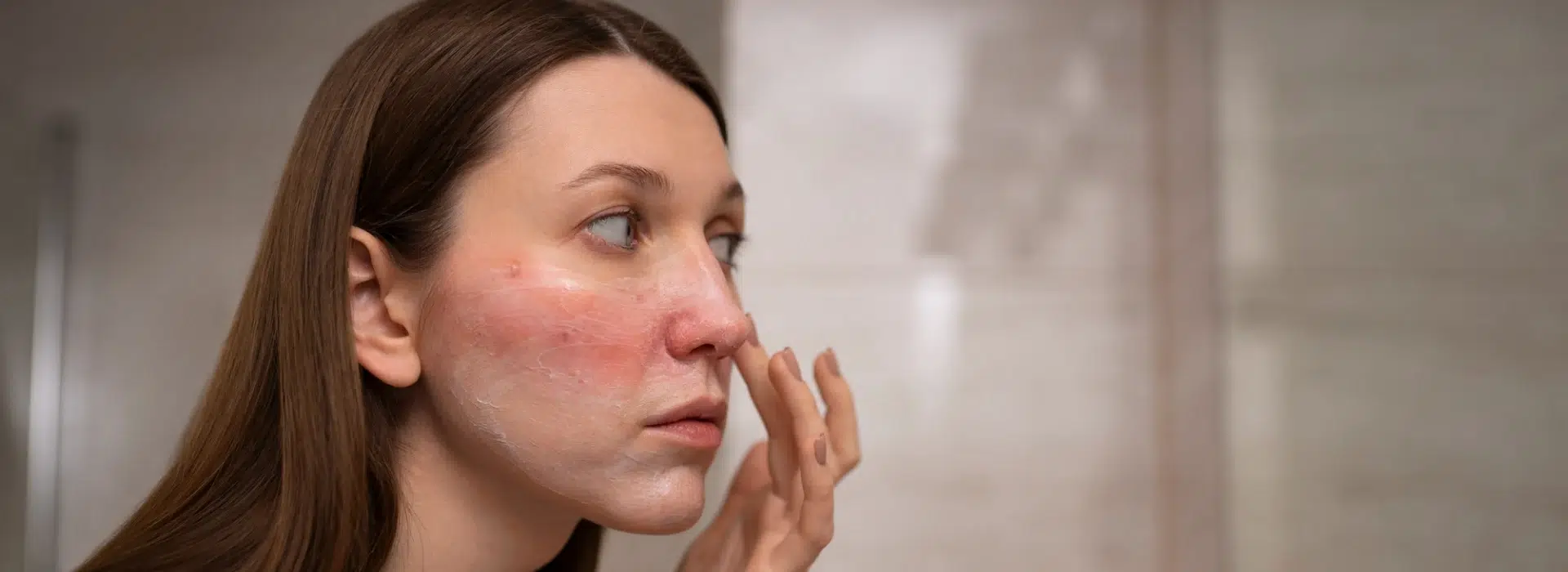
Rosacea is a prevalent, ongoing skin condition that primarily affects the face. It is often misunderstood and can be mistaken for acne, sunburn, or sensitive skin, which may delay accurate diagnosis and appropriate treatment. In Australia, rosacea is commonly seen in adults and can develop at different stages of life.
Symptoms can vary widely between individuals and may include facial redness, flushing, visible blood vessels, or acne-like breakouts. While rosacea cannot be cured, it can be effectively managed with the right treatment, lifestyle adjustments, and a consistent skincare routine.
Note: The content of this blog is for informational purposes only and does not replace professional medical diagnosis, advice, or treatment.
Common is rosacea
Rosacea is relatively common in Australia, partly due to high sun exposure and a higher proportion of fair skin types.
- It affects a significant number of Australian adults, although many cases remain undiagnosed
- People with fair skin are more likely to develop rosacea
- Women are diagnosed more frequently, particularly between the ages of 30 and 50
- Men may experience more severe symptoms, including skin thickening, as the condition progresses
Rosacea is often underdiagnosed because its symptoms can resemble acne, sun damage, or normal facial flushing.
Symptoms of rosacea
Symptoms of rosacea can range from mild to severe and may worsen over time if left untreated.
Facial redness (flushing)
- Frequent flushing across the nose, cheeks, chin, or forehead
- Redness may come and go or become persistent over time
Persistent visible blood vessels (telangiectasia)
- Small red or purple lines visible under the skin
- Most noticeable on the nose and cheeks
Acne-like bumps and pimples
- Red bumps or pus-filled pimples
- Usually occur without blackheads
Burning or stinging sensations
- Skin may feel hot, irritated, or prickly
- Often triggered by temperature changes or certain skincare products
Dry, rough, or sensitive skin
- Increased skin sensitivity
- Dryness, tightness, or flaking
Eye symptoms (ocular rosacea)
- Watery, dry, or irritated eyes
- Redness around the eyelids
- Burning or gritty sensation in the eyes
Types of rosacea
Rosacea can present in different forms, each with distinct features and patterns:
| Rosacea type | Key features | Who does it affect most |
| Erythematotelangiectatic (ETR) | Flushing, persistent redness, visible blood vessels | Adults aged 30–50 |
| Papulopustular | Acne-like bumps with redness | Women, fair skin |
| Phymatous | Thickened skin, often affecting the nose | Men |
| Ocular | Eye dryness, irritation, redness | All age groups |
What causes rosacea?
The exact cause of rosacea is not fully understood. It is thought to result from a combination of genetic factors, immune system responses, and increased skin sensitivity.
Potential triggers may include:
- Heat and sun exposure, particularly significant in Australia
- Emotional stress
- Alcohol consumption
- Hot drinks and spicy foods
- Harsh or irritating skincare products
- Sudden temperature changes
Triggers that make rosacea worse
Certain factors can worsen rosacea symptoms or trigger flare-ups:
- Sun exposure, a major trigger in Australia
- Exercise and overheating
- Emotional stress
- Alcohol consumption, particularly red wine
- Hot showers, baths, or saunas
- Increased UV exposure during summer months
Tip: Keeping a symptom diary can help identify personal triggers and reduce flare-ups.
How rosacea is diagnosed
Rosacea is typically diagnosed through a clinical examination, as there is no single test to confirm the condition. A GP or dermatologist will assess your skin and discuss symptoms, triggers, and flare-up patterns. Other conditions such as acne, seborrhoeic dermatitis, or lupus may be ruled out during this process.
While telehealth can be helpful for initial assessment, an in-person consultation may be needed if symptoms are complex or involve the eyes.
Management options
Topical management
Prescription creams or gels may be recommended to reduce redness and inflammation:
- Metronidazole
- Azelaic acid
- Ivermectin cream
Oral medications
For more severe cases, oral medications may be prescribed:
- Low-dose doxycycline to reduce inflammation
- Oral antibiotics for papulopustular rosacea
Laser and light therapy
These treatments can help reduce visible blood vessels and persistent redness and are typically offered in dermatology clinics.
- Used to target blood vessels and redness
- Requires specialist care
Adjustments to skincare routine
A gentle skincare routine can help minimise irritation:
- Use mild, soap-free cleansers
- Avoid scrubs and harsh exfoliants
- Choose fragrance-free moisturisers
Sun protection
Sun protection is essential in managing rosacea, especially in Australia:
- Apply SPF 50+ broad-spectrum sunscreen daily
- Wear hats and seek shade when outdoors
Lifestyle tips for managing rosacea daily
Simple lifestyle changes can help reduce flare-ups and improve skin health:
- Identify and avoid personal triggers
- Limit alcohol intake
- Avoid very hot showers
- Practice stress management techniques
- Use skincare products designed for sensitive or rosacea-prone skin
- Stay cool during hot weather
Note: This information is for educational purposes only. Consult a GP before making significant skincare or treatment changes.
When to consult a doctor
Seek medical advice if you experience any of the following:
- Symptoms that worsen or spread
- Severe redness or eye irritation
- Persistent acne-like bumps that do not improve
- Rosacea affecting your confidence or quality of life
- Symptoms of ocular rosacea
If you experience sudden eye pain, vision changes, or extreme light sensitivity, visit an Emergency Department immediately or call 000.
How Hola Health can help
Access to medical guidance can support better management of rosacea. Telehealth services provide convenient options for assessment and ongoing care.
- Evaluate rosacea symptoms via telehealth
- Clinical assessment for electronic prescriptions, provided if clinically appropriate
- Guidance on suitable skincare routines
- Medical certificates if symptoms impact daily activities
- Follow-up care for ongoing symptom management
Support is available through telehealth consultations, online GP services, and guidance for managing skin conditions.
Conclusion
Rosacea is a common yet often misunderstood skin condition that can affect both comfort and confidence. Although it is a chronic condition, most people can manage symptoms effectively with appropriate treatment, gentle skincare, and trigger avoidance. Early diagnosis and consistent care are key to reducing flare-ups and preventing complications.
FAQ
Is there a cure for rosacea?
No, rosacea cannot be cured, but its symptoms can be effectively managed with proper treatment.
Does stress cause rosacea?
Stress does not directly cause rosacea but can trigger or worsen flare-ups.
Which foods exacerbate rosacea?
Spicy foods, hot drinks, and alcohol may trigger symptoms in some individuals.
Is rosacea the same as acne?
No, rosacea is a different condition, although it may resemble acne in some cases.
Can sunscreen aggravate rosacea?
Some sunscreens may irritate sensitive skin, but mineral-based, fragrance-free options are generally better tolerated.
Reference
See a Aussie GP online, available 24/7
Download the app today.


Related Articles

Understanding Acne -Causes, Symptoms And Treatments
Rosacea – Symptoms, Causes, And Treatment
Disclaimer
This blog is for general informational purposes only and does not indicate that Hola Health provides all treatments or preventive measures mentioned. It is not intended to be a substitute for professional medical advice. Always seek the guidance of your doctor or other qualified health professional with any questions you may have regarding your health or a medical condition. For emergencies please immediately contact 000. Any medical topics discussed are intended to educate, not to imply availability through Hola Health.