

How can I stop feeling nauseous during pregnancy? Easy remedies at home

Contents
 Facebook
  X
X  Copy Link
Overview
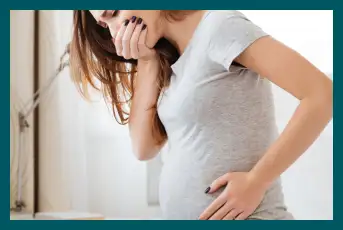
Nausea during pregnancy is quite prevalent, particularly in the first trimester, and many women in Australia undergo this as their hormone levels change rapidly. While it can be uncomfortable and exhausting, it is typically a normal aspect of early pregnancy and usually improves with time. With appropriate home remedies and support, most women find safe and effective relief.
Causes
Pregnancy nausea occurs due to significant hormonal and physical transformations in your body. These changes can impact your stomach, your sense of smell, and your energy levels, resulting in increased sensitivity.
Common triggers include:
- Elevated hCG levels
- Increased oestrogen
- Greater sensitivity to odours
- Low blood sugar levels
- Fatigue or insufficient sleep
These factors often intersect, which is why nausea can feel erratic and differ from day to day.
When does pregnancy nausea usually start, and how long does it last?
For the majority of women, nausea starts around the sixth week of pregnancy. It commonly begins to diminish by weeks 12 to 14, as hormone levels start to stabilise. Some women may experience it for a slightly longer duration, but it is typically mild to moderate.
Typical timeline:
- Begins: around 6 weeks
- Improves: by 12–14 weeks
- May last longer for some women
Home remedies
Consume small, regular meals
- Prevent your stomach from becoming empty
- Nibble on plain crackers, toast, or dry biscuits
- Keep simple snacks next to your bed
Select nausea-friendly foods
- Ginger (tea, biscuits, candies)
- Cold items like sandwiches or salads
- Protein-rich snacks such as nuts or yoghurt
Sip fluids throughout the day
- Consider electrolyte drinks
- Ice blocks or ice chips, if water doesn’t seem appealing
- Take small sips consistently instead of large amounts
Avoid known triggers
- Strong scents (perfumes, cooking smells)
- Greasy, spicy, or fatty foods
- Warm dishes with robust aromas
Vitamin B6
- Some GPs suggest vitamin B6 for nausea.
- Only use Vit B6 under the guidance of a healthcare professional.
Acupressure wristbands
Evidence is varied, but many pregnant women report that they help reduce nausea.
Fresh air and light movement
- Engage in short walks.
- Practise deep breathing exercises.
- Ensure rooms are well-ventilated
Safe over-the-counter options in Australia
Some mild options may alleviate symptoms when home remedies fall short, such as ginger supplements, vitamin B6, or antacids if nausea is associated with reflux. Always consult your GP, midwife, or pharmacist before taking any medication while pregnant to verify its safety for you and your baby.
When to consult a doctor?
Seek medical attention if you experience:
- Severe nausea and vomiting
- Inability to retain fluids
- Signs of dehydration (dark urine, dizziness, dry mouth)
- Rapid weight loss
- Suspected hyperemesis gravidarum (severe morning sickness)
Contact professionals early; help is available, and treatment can avert complications.
Prevention tips
- Consume something before rising from bed.
- Carry snacks at all times
- Avoid extended periods between meals
- Rest whenever you feel fatigued
- Utilise breathing techniques to manage stress
Treatment options
If nausea persists severely, your GP can prescribe safe anti-nausea medications that are commonly used during pregnancy. In cases of hyperemesis gravidarum, intravenous fluids or hospital support may be essential to maintain your hydration and health.
Possible treatments include:
- Prescription anti-nausea medications
- Vitamin B6-based treatments
- IV fluids for dehydration
- Monitoring for weight loss or electrolyte imbalance
How Hola Health can help
Hola Health simplifies connecting with expert support from home.
You can:
- Consult with an Australian telehealth GP regarding pregnancy nausea
- Receive personalised treatment recommendations
- Discuss safe medication alternatives
- Access prescriptions if deemed appropriate
- Get assistance for dehydration, reflux, or mental health issues
- Schedule discreet, private, same-day appointments
Conclusion
Pregnancy nausea can be tough, but for most women it is normal, temporary and manageable with the right strategies. Simple home remedies, gentle diet changes and GP-approved treatments often provide significant relief. If nausea starts to affect your daily life, reach out early; safe support and professional care are always available.
See a Aussie GP online, available 24/7
Download the app today.


Related Articles


Disclaimer
This blog is for general informational purposes only and does not indicate that Hola Health provides all treatments or preventive measures mentioned. It is not intended to be a substitute for professional medical advice. Always seek the guidance of your doctor or other qualified health professional with any questions you may have regarding your health or a medical condition. For emergencies please immediately contact 000. Any medical topics discussed are intended to educate, not to imply availability through Hola Health.