

Comprehensive Health Checks by Age & Gender — Australia

Contents
 Facebook
  X
X  Copy Link
Summarise with AI:
 ChatGpt
  Google AI Mode
  Perplexity
  Claude
 This blog is for educational purposes only and does not replace professional medical advice or diagnosis. If you have health concerns, consult an AHPRA-registered telehealth GP or request a medical certificate online if clinically appropriate.
Overview
The following guide provides essential health screening information for all Australians regardless of their age or gender. Your health maintenance should begin before any medical issues emerge. Regular health screenings help doctors detect medical issues at their most manageable stages. This guide presents essential health screening requirements throughout the entire life span, including specific recommendations by age group and gender.Why Regular Health Checks Matter
Australian men visit doctors less frequently than women do for their medical check-ups. Men tend to postpone medical help until their conditions become more severe, which results in delayed diagnoses and worse health outcomes. Regular medical check-ups provide essential benefits to your health.- Early detection leads to better management outcomes. Medical tests performed during routine check-ups enable doctors to detect serious health issues before patients show any symptoms.
- Disease prevention through early detection is far simpler than managing established conditions.
- Identifying risk factors early allows lifestyle changes that protect long-term heart health.
- Mental health requires the same level of attention as physical health. Men in Australia face three times the risk of suicide-related deaths compared to women. Regular medical visits allow men to discuss mental health concerns with their doctors.
- Regular health checks help track blood pressure, weight changes, and cholesterol levels over time.
- Your GP can explain which preventive health services are covered by Medicare.
Common Obstacles When Seeking Medical Care
- Men may skip medical tests because they believe they are unnecessary if they feel well.
- Busy schedules and the assumption of good health often prevent routine check-ups.
- Discomfort or embarrassment about health issues can discourage people from seeking help, despite doctors being experienced with all conditions.
- Seeking medical care reflects strength, not weakness.
Health Checks for Children
The journey through childhood is marked by rapid development, learning, and discovery. Ensuring this journey is supported by a strong foundation of health and well-being is where regular health screenings play a vital role. These screenings are instrumental in monitoring growth and development, identifying any potential health issues early, and setting the stage for healthy habits that can last a lifetime.1. Developmental Milestones and Physical Exams
Annual physical examinations are more than routine check-ups; they are a window into a child's overall health and development. These examinations should assess a child's progress against developmental milestones, including physical growth, motor skills, and social behaviours, to ensure they are on track for their age. Measurements of height, weight, and body mass index (BMI) provide critical data for identifying any deviations from expected growth patterns, such as undernutrition or obesity. Early detection of such deviations allows for prompt and effective interventions.2. Immunisation Schedules
Vaccinations are one of the most effective tools for preventing infectious diseases. A child's immunisation schedule begins in infancy and continues into adolescence, guarding against various diseases that once caused serious illness or death among children. Staying on schedule with vaccines like DTP (diphtheria, tetanus, and pertussis), MMR (measles, mumps, and rubella), polio, and varicella (chickenpox) is imperative for individual and community health. Annual flu shots are also recommended to protect against the ever-changing flu viruses.3. Behavioural Assessments
The formative years of a child's life are critical for cognitive, emotional, and social development. Comprehensive behavioural assessments can spotlight issues such as autism spectrum disorders, and learning disabilities. Early detection through these assessments is key to arranging educational accommodations, therapy, and support, significantly enhancing a child's development and quality of life.4. Nutritional Assessments
Nutrition is the cornerstone of healthy development. Evaluations by healthcare professionals can ensure a child's diet meets their needs for growth, energy, and overall health. Addressing dietary habits, preferences, and any food aversions or allergies can help in formulating a balanced diet, preventing obesity, and instilling healthy eating patterns early on.5. Vision and Hearing
The ability to see and hear clearly is fundamental for a child's learning and social interaction. Regular screenings for vision and hearing impairments are crucial, especially before significant milestones like starting school. Identifying and correcting vision issues with glasses or contact lenses and addressing hearing problems can drastically improve a child's academic performance and social integration.6. Oral Health Assessments
Dental check-ups encompass more than cavity prevention; they include screenings for oral health problems that can affect a child's eating, speech, and self-esteem. Fluoride varnishes and dental sealants are examples of preventive measures that can protect children's teeth from decay. Education on proper brushing and flossing techniques is also essential for establishing lifelong oral hygiene habits.7. Physical Activity Guidance
In an era of increasing screen time, fostering a love for physical activity is more important than ever. Discussions on exercise can guide families in incorporating more active play and structured exercise into daily routines, promoting cardiovascular health, strengthening bones, and improving mental health.8. Environmental Health Assessments
A child's environment plays a significant role in their health. Evaluations can identify potential hazards such as exposure to lead, second-hand smoke, or allergens. Recommendations for creating a safer and healthier living and learning environment can prevent exposure-related health issues.Age-Specific Screenings — Children
- Early Childhood (0–5 years): This stage focuses on close monitoring of physical growth and developmental milestones, including speech, motor skills, and social interaction. It is also a crucial period for introducing vaccines.
- Middle Childhood (6–12 years): As children enter school, screenings emphasise educational support, nutrition, and lifestyle habits. Reinforcing positive behaviours like healthy eating and regular physical activity during these years is essential for preventing obesity and encouraging a proactive attitude toward health.
- Pre-Adolescence (13–15 years): This transitional phase to teenage years puts a spotlight on emotional health, peer relationships, and the onset of puberty. Preparing children for the physical and emotional changes of adolescence is critical, as is reinforcing the importance of healthy lifestyle choices.
Health Checks for Teenagers (13–19 Years)
Navigating the adolescent years can be complex, with rapid physical, emotional, and social changes. Regular health checks serve as a critical foundation for ensuring the well-being and early detection of health issues in teenagers. These assessments are not only pivotal for addressing immediate health concerns but also act as a preventive measure against potential future challenges.1. General Physical Exams
An annual check-up is essential for monitoring a teen's overall health, including physical growth and developmental milestones. These exams should cover a wide range of checks, such as blood pressure monitoring to detect early signs of hypertension and body mass index (BMI) evaluations to ensure healthy growth patterns. Height and weight measurements provide insights into a teen's growth trends, helping identify potential issues such as obesity or growth delays.2. Immunisation Schedules
Adolescence is a critical period for immunisations, offering protection against diseases that can affect teens and their communities. An annual review of vaccination records ensures that teens are up to date with immunisations like the meningococcal vaccine to prevent meningitis, the HPV vaccine to guard against human papillomavirus infections, and boosters for tetanus, diphtheria, and pertussis (whooping cough). Seasonal flu shots are also recommended to safeguard against influenza.3. Mental Health Assessments
The teenage years are marked by significant emotional and psychological development. Screenings for mental health issues are crucial for identifying conditions such as depression, anxiety, and eating disorders early. Providing a safe space for teens to discuss their feelings, experiences, and concerns can facilitate early intervention and support. Access to mental health professionals and resources, such as counsellors or therapists, can offer teens the tools they need to navigate these challenges effectively.4. Nutritional Assessments
Proper nutrition is foundational to teen health and development. Regular discussions about eating habits, nutritional needs, and body image are vital. Health practitioners can play a key role in educating teens about the importance of balanced diets, identifying signs of eating disorders, and promoting a positive body image.5. Sexual Health Education and Screenings
With many teens becoming sexually active, education on sexual health and access to confidential screening for sexually transmitted infections (STIs) are imperative. Health professionals should offer guidance on safe sex practices, STI prevention, and contraception options. Encouraging open communication about sexual health can empower teens to make informed decisions about their bodies and relationships.6. Menstrual and Reproductive Health (Female Teens)
For female teens, regular discussions about menstrual cycles, reproductive health, and any menstrual irregularities are essential. These conversations can address common concerns, debunk myths about menstruation and sexuality, and discuss contraception choices. Understanding the range of normal menstrual patterns and identifying potential issues like dysmenorrhoea (painful periods) or amenorrhoea (absence of menstruation) are crucial aspects of female adolescent care.7. Physical Activity Guidance
Encouraging an active lifestyle is crucial for teen health. Assessments should include discussions about exercise habits and recommendations for physical activity tailored to each teen's interests and lifestyle. Regular physical activity helps prevent chronic conditions such as obesity and diabetes and supports mental health by reducing symptoms of depression and anxiety.8. Risk Behaviour Discussions
Adolescence is a period when individuals are more likely to experiment with substances, including tobacco, vaping, alcohol, and recreational drugs, dangerous driving, and engage in risky sexual behaviours. Health checks provide an opportunity for healthcare providers to discuss the physical and mental health risks associated with these behaviours. Providing teens with factual information, resources, and support can guide them toward making safer choices.Age-Specific Screenings — Teens
- Early Teens (13–15 years): Focus on the transition from childhood, monitoring physical changes of puberty, and beginning crucial conversations about mental health and risk behaviours. This period sets the foundation for healthy lifestyle choices and establishes a rapport with healthcare providers.
- Mid-Teens (16–17 years): Attention shifts to more detailed discussions about sexual health, mental well-being, and preparing for the future. Screenings may become more tailored, with an emphasis on individual health needs and concerns.
- Late Teens (18–19 years): As teens approach adulthood, the focus includes preparing them for independent health decisions and transitions to adult healthcare services. Discussions can cover a broader range of topics, including college life, work, relationships, and adult responsibilities.
Health Checks in Your 20s and 30s
Your 20s and 30s are the perfect time to enjoy life, take risks, and seize every opportunity that comes your way. Yet, amidst your quest, it's easy to neglect one important thing: your health. Health issues may seem far off, but these years are truly the best time to start looking after yourself. Routine check-ups can identify potential problems early, allowing you to live life fully today and in the years ahead. A health check in your 20s and 30s can be important. This is the time when habits can influence your well-being and impact your future health. Regular health check-ups enable you to identify possible health problems early and provide a chance to make important lifestyle changes. While this time may seem like a phase of invulnerability, it also plays a key role in setting the foundation to prevent long-term conditions like heart disease, diabetes, and some cancers. Routine screening checks such as blood pressure and waist circumference/weight are important for guiding your current and future health.Health Checks for Women in Their 20s and 30s
- Routine Physical Examination
- Definition: This examination is a general assessment of one's health, focusing on various factors such as weight and waist circumference, blood pressure and heart rate, and a skin check, as well as lifestyle considerations.
- Purpose: To aid the identification of early indicators of health conditions.
- Recommended frequency: A 2-yearly health check is recommended for people under 40 years of age. For Aboriginal and Torres Strait Islander peoples, an annual heart check is recommended from age 30.
- Cervical Screening Test (Pap Smear)
- Definition: This procedure involves screening for cervical cancer through the collection of samples from the cervix. A self-obtained cervical screening test is now available for convenience.
- Purpose: The primary aim is to facilitate the early detection of cervical cancer and other reproductive health concerns.
- Recommended frequency: This screening should occur every five years from the age of twenty-five.
- Breast Self-Examination
- Definition: This involves a self-examination to identify any lumps or alterations in breast tissue.
- Purpose: The intention is to promote early detection of breast cancer and any related abnormalities.
- Recommended frequency: Individuals are advised to perform self-examinations monthly. Any lumps or concerns can be discussed with your doctor and a formal breast examination arranged with your consent.
- Blood Pressure Assessment
- Definition: This procedure measures the blood pressure in your cardiovascular system.
- Purpose: It serves to detect hypertension, which is a significant risk factor for conditions such as heart disease and stroke.
- Recommended frequency: If blood pressure is normal, assessments should occur every two years; however, more frequent evaluations may be advised if raised blood pressure is detected or risk factors for hypertension or cardiovascular disease are present.
- Cholesterol and Blood Sugar Screening
- Definition: These blood tests evaluate cholesterol and blood sugar levels to indicate the risk of cardiovascular disease and diabetes.
- Purpose: The screenings aim to promptly identify conditions before symptoms appear.
- Recommended frequency: Routine screening is recommended if risk factors for diabetes are present (e.g., family history, overweight or obesity, polycystic ovary syndrome), you are over 35 years and from an Aboriginal or Torres Strait Islander background, or from a Pacific Island, Indian subcontinent or Chinese cultural background.
- Skin Examination
- Definition: This process entails a visual inspection of the skin to identify any moles or unusual changes therein. Your doctor will use a dermoscope to examine the skin. This is a special instrument that magnifies and illuminates the skin.
- Purpose: The examination seeks to identify signs of skin cancer.
- Recommended frequency: Individuals at high risk of skin cancer should conduct self-examinations every three months and see a skin expert every 6 months or as advised by your doctor.
- Sexually Transmitted Infection (STI) Screenings
- Definition: This involves testing for sexually transmitted infections through methods such as urine analysis, blood tests, or swabs.
- Purpose: Early detection is crucial to prevent complications and avoid the transmission of infections to others.
- Recommended frequency: Testing should occur annually for sexually active people between the ages of 15 and 29. Regular screening may be advised outside these ages depending on sexual activity.
- Mental Health Checks
- Definition: This refers to a conversation with a healthcare provider focused on the individual's mental well-being, addressing aspects such as stress, anxiety, poor sleep and depression.
- Purpose: The goal is to identify mental health concerns early to provide support.
- Recommended frequency: Individuals with symptoms of a mental health condition are recommended to speak with their doctor or contact an advice support line such as Beyond Blue (1300 22 4636) or Lifeline (13 11 14).
Health Checks for Men in Their 20s and 30s
- Routine Physical Examination
- Definition: A routine physical examination consists of a comprehensive evaluation of an individual's overall health, concentrating on parameters such as body fat mass, blood pressure, heart rate, and lifestyle habits.
- Purpose: This examination serves to identify preliminary indicators of possible health complications and to verify that the body's systems are operating effectively.
- Recommended frequency: It is advisable to undergo this examination every two years under the age of 40, on an annual basis over the age of 40, every year over the age of 30 for Aboriginal and Torres Strait Islander peoples, or as often as recommended by a healthcare provider.
- Blood Pressure Assessment
- Definition: This assessment quantifies the pressure exerted by blood against the arterial walls.
- Purpose: It assists in identifying hypertension, a significant risk factor for cardiovascular disease.
- Recommended frequency: Men should have a blood pressure check every two years under the age of 40, every year from age 30 for Aboriginal and Torres Strait Islander peoples, and annually for older adults. Those with risk factors for cardiovascular disease, such as obesity or a family history of hypertension, might be advised to undergo checks more often.
- Cholesterol and Blood Sugar Screening
- Definition: These are blood tests conducted to evaluate cholesterol and glucose levels.
- Purpose: Screening aims to detect conditions such as hypercholesterolemia (associated with cardiovascular disease) and diabetes.
- Recommended frequency: Testing is recommended every four to six years or more frequently for individuals with risk factors for cardiovascular disease or diabetes, such as obesity.
- Testicular Examination
- Definition: This examination involves a physical assessment to identify lumps or irregularities in the testicles.
- Purpose: The purpose is to detect testicular cancer, which predominantly affects younger males.
- Recommended frequency: Self-examinations are advised every month, accompanied by a clinical examination during routine health check-ups if desired.
- Skin Examination
- Definition: A skin examination involves a visual assessment to identify any abnormal skin lesions.
- Purpose: This evaluation is critical for early skin cancer identification, particularly for individuals at high risk of the disease.
- Recommended frequency: For those at high risk of melanoma, self-checks every three months and examination by a skin specialist every 6 months is recommended.
- STI Screenings
- Definition: These screenings involve testing for sexually transmitted infections, typically a urine and blood test but genital and oral swabs may also be recommended.
- Purpose: The screenings aim to facilitate early detection and management of STIs to manage disease and prevent spread.
- Recommended frequency: The frequency of testing should be determined based on individual sexual activity and associated risk factors, such as engaging with new or multiple partners. Sexually active people between ages 15 and 29 are recommended to have an annual STI screen.
- Mental Health Evaluation
- Definition: This evaluation consists of a dialogue with a healthcare professional regarding mental health issues, including stress, depression, or anxiety.
- Purpose: The objective is to recognise early signs of mental health challenges and to foster overall well-being.
- Recommended frequency: Individuals with symptoms of a mental health condition are recommended to speak with their doctor or contact an advice support line such as Beyond Blue (1300 22 4636) or Lifeline (13 11 14).
Health Checks for Women & Men in Their 20s and 30s
| Health Check | Definition | Purpose | Recommended Frequency |
| Routine Physical Examination | General health assessment, including weight, blood pressure, heart rate, and skin check. | Early detection of potential health issues. | Every 2 years under 40; annually for Aboriginal & Torres Strait Islander peoples from 30. |
| Cervical Screening Test (Pap Smear) | Cervical cancer screening via sample collection from the cervix. | Early detection of cervical cancer. | Every 5 years from age 25. |
| Breast Self-Examination (Women) | Checking for lumps or changes in breast tissue. | Early detection of breast abnormalities. | Monthly self-checks; consult a doctor for concerns. |
| Prostate Cancer Screening (Men) | PSA blood test for prostate cancer detection. | Early identification of prostate cancer. | Consider from age 50 (earlier if risk factors exist). |
| Testicular Examination (Men) | Self-examination for lumps or irregularities in the testicles. | Early detection of testicular cancer. | Monthly self-checks; include in routine health exams. |
| Blood Pressure Assessment | Measurement of blood pressure levels. | Detect hypertension, a risk factor for heart disease. | Every 2 years if normal; annually for high-risk individuals. |
| Cholesterol & Blood Sugar Screening | Blood tests assessing cholesterol and glucose levels. | Identify risks for cardiovascular disease & diabetes. | Every 4–6 years, or more frequently if at risk. |
| Skin Examination | Visual inspection of skin for moles or abnormalities. | Detect early signs of skin cancer. | Self-checks every 3 months; professional check every 6 months for high-risk individuals. |
| STI Screening | Urine, blood, or swab tests for STIs. | Early detection & prevention of transmission. | Annually for sexually active people aged 15–29; varies based on risk factors. |
| Mental Health Evaluation | Consultation on stress, anxiety, depression, and well-being. | Identify and address mental health concerns early. | As needed; seek help if experiencing symptoms. |
Health Checks in Your 40s
Your 40s are basically your 20s with more responsibilities, a few more "laugh lines", and a metabolism that's decided to take an extended holiday. You're juggling work, family, and that ever-elusive social life. But amidst the chaos, it's easy to let your health slide. Think of your body like that car you meticulously cared for in your 20s. Imagine neglecting it for years — no oil changes, ignoring warning lights. Eventually, it's going to break down, and your body is the same. It needs regular maintenance to keep running smoothly. That's where health checks come in, identifying potential issues before they become major problems.Foundational Health Checks in Your 40s
Blood Pressure Think of this as checking your engine's pressure. High blood pressure often has no noticeable symptoms, but it increases your risk of heart disease and stroke. Aim for a check-up at least every two years. Cholesterol High cholesterol is like sludge building up in your fuel lines. It can lead to blockages and increase your risk of heart problems. Get your cholesterol checked every five years, or more frequently if you have other risk factors. Blood Glucose Test (Diabetes Screening) With the rise of sedentary lifestyles and poor dietary habits, the risk of Type 2 diabetes is increasing. A fasting blood glucose test or an HbA1c test can detect pre-diabetes or diabetes early, allowing for timely lifestyle changes or management. This test is especially important if you have risk factors like obesity, a family history of diabetes, or high blood pressure. Thyroid Function Test Thyroid disorders, particularly hypothyroidism, become more common with age. Symptoms such as fatigue, weight gain, and changes in mood can be subtle and easily mistaken for other things. A simple blood test can help ensure your thyroid is functioning properly. Liver Function Test Your liver is responsible for detoxifying your body, and factors such as alcohol consumption, fatty liver disease, and medication use can affect its function. Regular liver function tests can help detect any early signs of liver disease. Kidney Function Test Kidney function can decline with age, especially if you have conditions like diabetes or high blood pressure. Checking your kidney health through blood and urine tests can catch potential problems before they become serious. Colorectal Cancer Screening (Stool Test or Colonoscopy) The risk of colorectal cancer increases as we age. While routine colonoscopy is generally recommended starting at age 50, those with a family history of colorectal cancer or other risk factors may want to begin screening earlier. A less invasive option is a stool test (FOBT or FIT), which checks for hidden blood in your stool. Hearing Test Hearing can gradually decline as we age, often unnoticed until it becomes a problem. Regular hearing tests help catch early signs of hearing loss and improve quality of life by addressing it before it becomes significant. Mental Health Screening Your mental health is just as important as your physical health. A mental health check-up, especially for stress, anxiety, and depression, can be useful, given that mental health struggles often emerge or worsen in midlife. Cognitive health assessments may also be beneficial, especially if you notice issues with memory or focus. Hormonal Health For both men and women, hormone levels can shift significantly in your 40s. Men may experience a decline in testosterone levels, which can affect energy, mood, and libido. Women may start experiencing perimenopause, which can bring changes in mood, sleep, and menstrual cycle. Hormone testing can help manage symptoms and maintain overall well-being. Skin Check Australia has one of the highest rates of skin cancer in the world. Regular skin checks are crucial, especially if you spend time outdoors. Aim for a professional skin check annually and get to know your own skin so you can spot any changes. Eye Test Eyesight can deteriorate gradually, so regular eye tests are important to catch any issues early on. Aim for a check-up every two years, or more frequently if you have any concerns. Dental Check-Up Don't neglect your pearly whites. Regular dental check-ups help prevent gum disease and tooth decay. Aim for a check-up and clean every six to twelve months.Health Checklist for Men Over 40
Men, in addition to the foundational checks, consider these:- Prostate Specific Antigen (PSA) test: This blood test helps detect prostate cancer. Discuss this test with your GP, especially if there is a family history.
- Abdominal Aortic Aneurysm (AAA) screening: This one-off ultrasound scan checks for a bulge in your abdomen's main artery. It's usually recommended for men aged 65–74 who have ever smoked.
Health Checklist for Women Over 40
Women have some specific health checks to prioritise:- Breast cancer screening: Mammograms are recommended every two years for women aged 50–74, but you can start earlier if you have a family history of breast cancer.
- Cervical cancer screening: This test has replaced the Pap smear. It's recommended every five years for women aged 25–74.
- Bone density scan: This test checks for osteoporosis. It's usually recommended for women over 65, but you may need it earlier if you have risk factors.
How Do You Take Care of Your Health After 40?
Health checks are just the beginning. Here's how to stay in top shape:- Move your body: Aim for at least 30 minutes of moderate intensity exercise most days of the week. Find something you enjoy, whether it's hitting the gym, going for a run, or joining a dance class.
- Nourish yourself: Focus on a balanced diet with plenty of fruits, vegetables, and whole grains. Limit processed foods, sugary drinks, and unhealthy fats.
- Prioritise sleep: Aim for 7–8 hours of quality sleep each night. Establish a regular sleep routine and create a relaxing bedtime environment.
- Manage stress: Find healthy ways to cope with stress, such as exercise, meditation, or spending time in nature.
- Stay connected: Maintain strong relationships with friends and family. Social connections are crucial for your mental and emotional wellbeing.
Health Checks for Men — By Age Group
Men Between 13 and 19 Years Old
The teenage years are an important time to establish healthy habits. The following checks are recommended:- A general physical examination to assess growth, development, and overall health.
- Mental health screening, as adolescence presents unique emotional challenges.
- Ensuring HPV and meningococcal vaccinations and boosters are up to date.
- Regular skin checks due to Australia's high skin cancer rates.
- Awareness of normal testicular appearance and prompt review of any lumps or changes.
Men in Their 20s
Your 20s are when long-term health habits are formed. Recommended checks include:- Blood pressure checks at least every two years if results are normal.
- STI screening for sexually active individuals with new partners.
- Mental health evaluations, as anxiety and depression often begin in this stage.
- Annual skin cancer checks, especially for those with outdoor exposure.
- Lifestyle reviews covering smoking, alcohol intake, diet, and physical activity.
Men in Their 30s
Health risk factors often begin to emerge in your 30s. Regular health checks should include:- Baseline cholesterol and blood glucose tests to assess heart disease and diabetes risk and allow early lifestyle intervention.
Men in Their 40s
Your 40s introduce new health challenges that require closer monitoring. Recommended checks include:- Annual prostate examinations.
- Yearly skin cancer checks.
- Monitoring blood pressure, cholesterol, and blood glucose levels.
- Ongoing lifestyle assessments covering diet, alcohol use, smoking, and exercise.
- Annual mental health evaluations.
- Testicular examinations for any unusual lumps or changes.
Men in Their 50s
The 50s require more detailed health checks because various health issues become more common during this decade. Your health checks should include:- Your doctor should perform annual prostate exams to check for any potential issues.
- Your doctor should perform annual skin cancer checks to detect any suspicious growths.
- Your doctor should check your blood pressure and cholesterol levels and blood glucose levels during your annual visit.
- Your doctor should evaluate your current lifestyle choices regarding smoking and alcohol consumption and dietary habits and physical activity levels.
- Your doctor should perform annual mental health evaluations to check for any signs of depression or anxiety.
- Your doctor should check your testicular area for any unusual lumps or changes during your annual visit.
Men in Their 60s and Beyond
Older men need to focus on their heart health and cancer screening and mental health evaluation. Your health checks should include:- Your doctor should perform annual prostate exams to check for any potential issues.
- Your doctor should perform annual skin cancer checks to detect any suspicious growths.
- Your doctor should check your blood pressure and cholesterol levels and blood glucose levels during your annual visit.
- Your doctor should evaluate your current lifestyle choices regarding smoking and alcohol consumption and dietary habits and physical activity levels.
- Your doctor should perform annual mental health evaluations to check for any signs of depression or anxiety.
- Your doctor should check your testicular area for any unusual lumps or changes during your annual visit.
Health Checks All Men Should Have at Every Age
- Weight and waist measurement. The accumulation of abdominal fat tissue leads to higher cardiovascular disease risk.
- Blood pressure monitoring. Your doctor should perform blood pressure checks every two years but increase the frequency when your readings show elevation.
- Dental check-ups. Your dental health directly impacts your complete body wellness so schedule regular visits to your dentist.
- Family history review. Schedule a meeting with your online GP to discuss any inherited medical conditions that affect your family.
Health Tests for Men — Reference Table
| Test | Starting Age | Frequency |
| Blood pressure | 18+ | Every 2 years (more often if elevated) |
| Cholesterol | 30+ (or earlier with risk factors) | Every 5 years |
| Blood glucose | 40+ (or earlier with risk factors) | Every 3 years |
| Bowel cancer screening | 50 | Every 2 years |
| Skin check | All ages | Annually |
| Eye examination | 40+ | Every 2–4 years |
| Hearing test | 50+ | Every 2 years |
| Prostate discussion | 50+ (earlier if high risk) | As advised by GP |
Consult an AHPRA-registered practitioner online, anytime
Consult NowAvailable 24/7 across Australia


Health Checks for Women — By Age Group
Medical screenings help doctors identify health issues at their most manageable stages. Australian women who attend their recommended health checks reduce their risk of developing serious medical conditions.Females in Their Teens (13–19 Years)
The HPV vaccination program is offered free to students in Year 7. Mental health assessments are important for young women experiencing anxiety, mood changes, or stress. Routine health checks also monitor growth and development during adolescence.Women in Their 20s
Women aged 25 and over are eligible for free Cervical Screening Tests every five years through the National Cervical Screening Program. Sexually active individuals should have annual STI testing. Blood pressure checks are recommended every two years, and yearly skin checks help detect early skin cancer.Women in Their 30s
Cervical screening continues every five years in this age group. Women planning pregnancy may benefit from pre-conception health checks. Cholesterol and diabetes screening may be recommended for those with risk factors.Women in Their 40s
BreastScreen Australia offers free mammograms from age 40, with screening every two years. Bowel cancer screening kits are available from age 45. Heart health assessments and annual blood glucose testing typically begin around this age.Women in Their 50s
Women aged 50 to 74 should continue mammograms every two years and complete bowel cancer screening every two years. Doctors may recommend bone density testing around menopause. Annual eye exams are also advised.Women in Their 60s
Cancer screening programs continue until age 74. Hearing tests become increasingly important, and free flu vaccinations are available from age 65. Falls risk assessments help maintain independence and safety.Women 70+
Mammograms remain available, though routine invitations usually stop after age 74. Cervical screening may continue for some women with previous abnormal results. Cognitive health checks and regular medication reviews are also recommended.Health Tests for Women — Reference Table
| Test | Age | Frequency |
| Cervical Screening | 25–74 | Every 5 years |
| Mammogram | 40+ (50–74 invited) | Every 2 years |
| Bowel Screening | 45–74 | Every 2 years |
| Blood Pressure | All ages | Every 2 years |
| Cholesterol | From 45 | Every 5 years |
| Blood Glucose | From 45 | Every 3 years |
| Eye Test | All ages | Every 2–3 years |
| Skin Check | All ages | Annually |
Mental Health Checks
Men and women should manage their mental health with equal importance as they do their physical health. The Australian population shows people tend to avoid seeking help for psychological issues yet their unmanage conditions lead to serious health problems. Women experience higher rates of anxiety and depression than men. A mental health assessment should form part of any GP visit. The following signs indicate potential mental health issues:- Depression or irritability lasting more than two weeks
- Loss of interest in previous hobbies
- Changes in sleep patterns and appetite
- Difficulties with concentration and decision-making
- Hopelessness or thoughts of self-harm
Reproductive, Sexual & Menopause Health Checks
All sexually active women should undergo regular sexual health screening. Contraception needs should be reviewed periodically, as requirements can change over time. Doctors can also provide menopause management to help manage hot flushes, mood changes, and sleep issues. Pelvic floor health assessments are important after childbirth and as women age.Cancer Screening
The screening process helps doctors detect diseases before patients show any symptoms. The following screening programs exist for Australians:- Bowel cancer. Free home test kits for men aged 50–74.
- Prostate cancer. PSA testing should be discussed with a GP.
- Breast cancer. BreastScreen Australia offers free mammograms from age 40.
- Skin cancer. Regular self-checks and annual professional exams.
- Testicular cancer. Early detection through self-examination.
- Cervical cancer. Free Cervical Screening Tests every five years for women aged 25–74.
On-the-Spot Health Checks at the GP or Your Home
In our bustling lives, where days rush by in a flurry of activities, health often takes a backseat—until it demands our attention. Regular health checks can be our best defence against unseen medical challenges. These act as a preventive measure and help our peace of mind. Whether a quick check at the GP's office or a simple test at home, understanding what's happening inside your body is invaluable.Basic Health Checks at Home
- High blood pressure (Hypertension) is often a silent intruder; it shows no symptoms its risks are serious. Checking your blood pressure regularly can be as simple as using a home monitor. Aim for a check every few months or weekly if you've had past issues.
- Check your heart rate: Your resting heart rate can tell a lot about your heart health. A simple pulse check for a minute each morning can alert you to changes that might indicate stress, dehydration, or heart issues.
Health Checks for Your Heart
- Cholesterol levels: High cholesterol is an attack on your arteries. Using home kits or getting a quick test at your GP can reveal your cholesterol levels. Yearly checks are advisable if you're under 40, or more frequently if you have a family history of heart disease.
- Electrocardiogram (ECG): While more common at a doctor's office, portable ECG devices are now available for home use. They can detect irregular heart rhythms such as atrial fibrillation, a precursor to other heart conditions.
Health Checks for Eye Conditions
- Visual acuity test: Using online charts or apps to check clarity of vision can alert you to changes that may require professional attention.
- Eye pressure test: Particularly for those at risk of glaucoma, checking eye pressure at an optometrist annually is a proactive step.
Health Checks for Diabetes
- Blood sugar levels: Home glucose monitoring kits are crucial for those diagnosed with or at risk for diabetes. Regular monitoring can guide diet and medication adjustments.
- HbA1c blood test: Provides an average blood sugar level over the past three months. It's usually done annually but may be more frequent based on your doctor's advice.
Health Checks for Bowel Cancer
- Faecal Occult Blood Test (FOBT): Recommended 2 yearly for everyone between 50–74 years old, this free home test offered by The National Bowel Screening Program in Australia can catch early signs of bowel cancer.
- Colonoscopy: If you have a family history of bowel cancer, starting regular colonoscopies at a younger age than the general recommendation might be wise.
Health Checks for Your Bones
- Calcium levels: Keeping track of calcium intake and checking bone density every few years can help detect early signs of osteoporosis.
- Vitamin D check: As a crucial component for bone health, testing for Vitamin D levels, especially in regions with less sunlight, can prevent bone deterioration.
Sexually Transmissible Infections (STI) Screening
- Regular testing: For sexually active individuals, regular STI screenings are crucial. Many STIs do not show symptoms immediately but can have long-term health impacts.
- HPV vaccine: An essential preventive measure in guarding against the Human Papillomavirus, which can lead to cervical cancer.
How to Prevent Health Problems
Prevention is better than cure. By adopting a healthy lifestyle and attending regular check-ups, you can significantly reduce your risk of developing many health problems.When to Consult a Doctor
Don't wait for your next check-up if you notice any unusual symptoms. Consult your GP promptly. Individuals are advised to consult a doctor if they:- Encounter persistent or severe symptoms, such as unexplained weight changes, persistent fatigue, or loss of appetite.
- Experience breathing difficulties, chest pain, or severe headaches.
- Seek help if you have any unusual lumps, ongoing pain, or changes to the skin assessed by a healthcare professional.
- In cases where digestive problems arise, such as blood in the stool, prolonged constipation, or diarrhoea, a consultation with a healthcare provider is imperative.
- Mental health matters, including enduring feelings of sadness, anxiety, or stress, require serious consideration and should not be overlooked.
- Additionally, individuals experiencing sleep disturbances, alterations in vision, or recurrent infections should take the initiative to seek medical assistance.
Where to Get Referrals in Australia
In Australia, medical referrals are essential for accessing specialist care, diagnostic tests, and certain health services. Here's where you can obtain referrals: General Practitioners (GPs) GPs are the primary source for medical referrals in Australia. Visit your local GP for an assessment; they can issue referrals to specialists, allied health professionals, or diagnostic services like imaging and pathology. Online Telehealth Services Hola Health offer telehealth consultations with registered doctors in Australia. You can receive a referral online for specialists or diagnostic tests, provided the doctor assesses your condition and deems it necessary. Get online referrals in few minutes from AHPRA-registered doctors and GP in Australia with Hola.Can a Telehealth Doctor Help with Health Check-Ups?
Telehealth has become a convenient way to manage health, offering a platform for consultations, health concerns discussions, and preventive care planning remotely. While not a substitute for physical examinations required for certain screenings, telehealth is beneficial for follow-ups, mental health consultations, and routine health evaluations. Telehealth appointments have emerged as a vital tool in providing accessible healthcare services to teenagers. It offers a flexible option for consultations, especially beneficial for mental health services, sexual health education, and managing chronic conditions. Telehealth can facilitate ongoing care and support, allowing teens to engage with healthcare providers from the privacy and comfort of their homes. However, it's crucial to complement telehealth services with in-person visits when physical examinations or vaccinations are required. In Australia, minors around 14 to 15 years old can often consent to their own medical or telehealth management based on "Gillick competence," which evaluates their understanding and intelligence regarding the management. However, the specific age may vary by state or territory and the details of the medical consultation. Telehealth is a complementary service; however, it cannot replace physical examinations such as heart/lung auscultation, physical palpation, or skin biopsies which must be conducted in person.How Hola Health Can Help
Hola Health provides Australians with easy access to medical care through our telehealth appointment platform. Our medical practitioners help you manage your health screenings and preventive care, mental health care, referrals, and test follow-ups with flexible appointment times. Health checks don't always require an in-person visit. Hola Health's online doctor service allows you to discuss symptoms, obtain test referrals, review results, and plan ongoing care from home. Telehealth supports preventive care, although services such as mammograms and cervical screening still require in-clinic visits. Get a telehealth consultation with Hola, certified by Australian-registered GPs, available 24/7, including weekends and public holidays, and delivered straight to your phone. Consult a doctor from the comfort of your home in four easy steps:- Head to telehealth consultation. Choose your appointment type and fill in the details
- Add payment information
- Talk to a doctor within minutes
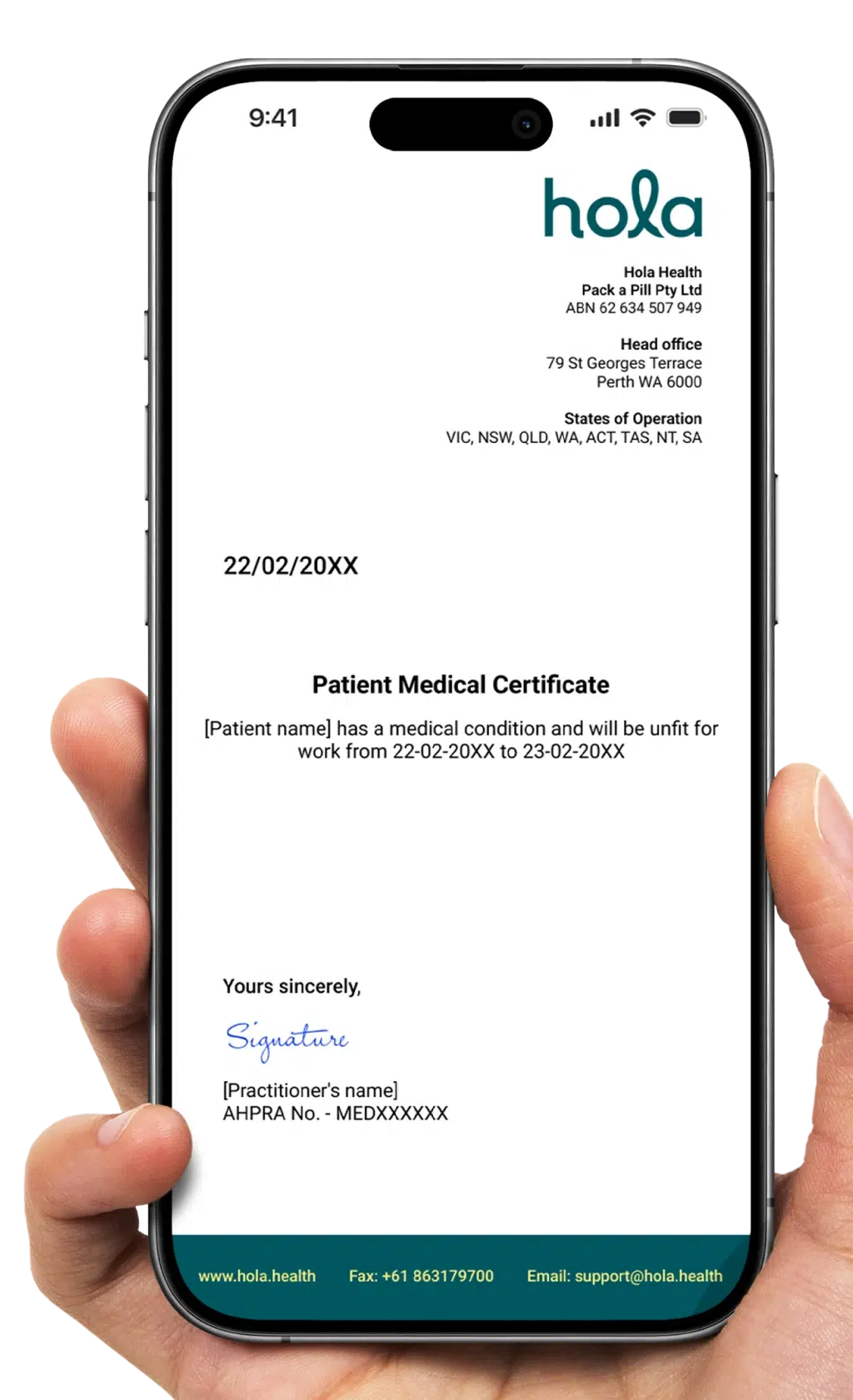
- Receive your medical certificate, referral or prescriptions if clinically indicated following assessment.
In Conclusion
Regular health screenings and consultations — whether in-person or via telehealth — are integral across all stages of life. By actively managing their health, Australians can enhance their quality of life and overall well-being, paving the way for a healthier future. Your 40s are a time to thrive. By prioritising your health and taking proactive steps to look after yourself, you can enjoy this decade and many more to come. Remember, prevention is key, and your future self will thank you for it. Your 20s and 30s are the ideal years to establish a solid health foundation for the future. Regular health checks and healthy habits now can help prevent larger issues later. So, while living your best life, don't forget to stay in tune with your body — your future self will love you!FAQ
How often should Australians get a health check?
People with no health issues should visit their doctor at least once per year. People with health issues or risk factors need to visit their doctor more than once per year.What specific tests are included in a standard health examination?
A standard check includes blood pressure measurement, weight and BMI assessment, lifestyle discussion, and appropriate blood tests. Your GP will perform additional examinations based on your age and medical background.What age range should men begin checking their prostate health?
There is no universal answer for this question. Men aged 50 and older should consult their doctor about prostate health. Men with a family history of prostate issues and Aboriginal and Torres Strait Islander descent should begin prostate health discussions at an earlier age.Which health tests should men undergo during their 20s and 30s?
Essential tests during this period include blood pressure checks, cholesterol tests, sexual health screenings, and mental health evaluations. All Australians should undergo regular skin checks regardless of age.What health assessments should men undergo during their 40s?
Men should complete heart health evaluations, diabetes screenings, eye examinations, and begin discussions about prostate health with their doctor.How often should women see a doctor for general health checks?
Women without ongoing health conditions should see their GP at least once a year. Seniors and people with chronic conditions may require more frequent visits. Under the National Cervical Screening Program, women aged 25 to 74 should have cervical screening every five years.Which medical tests are free in Australia?
Free services include cervical screening for women aged 25–74, mammograms through BreastScreen Australia for women aged 40 and over, and bowel cancer screening kits for people aged 45–74. Many doctor-referred pathology tests are bulk billed through Medicare.Do women need routine hormone testing?
Routine hormone testing is not recommended for most women. A GP may request hormone tests if specific symptoms suggest a hormonal imbalance. Mammograms before age 40 are usually only recommended for women with a strong family history or known genetic risk. Always discuss individual concerns with your GP. Telehealth consultations allow women to discuss symptoms, organise blood tests, and review results remotely, although physical examinations still require in-person visits.What symptoms require urgent medical attention?
Seek medical care if you experience unexplained weight loss, persistent fatigue, unusual bleeding, breast lumps, blood in urine or stool, ongoing abdominal pain, or changes in moles.Do people who maintain good health still require regular medical check-ups?
Yes. Many serious medical conditions develop without producing warning signs. Early detection through regular health checks leads to better management outcomes. Prevention remains the most effective approach to long-term health.Can I ask a GP for a full health check?
Absolutely, your GP is your partner in health. Don't hesitate to ask for a comprehensive health check. They can tailor it to your needs.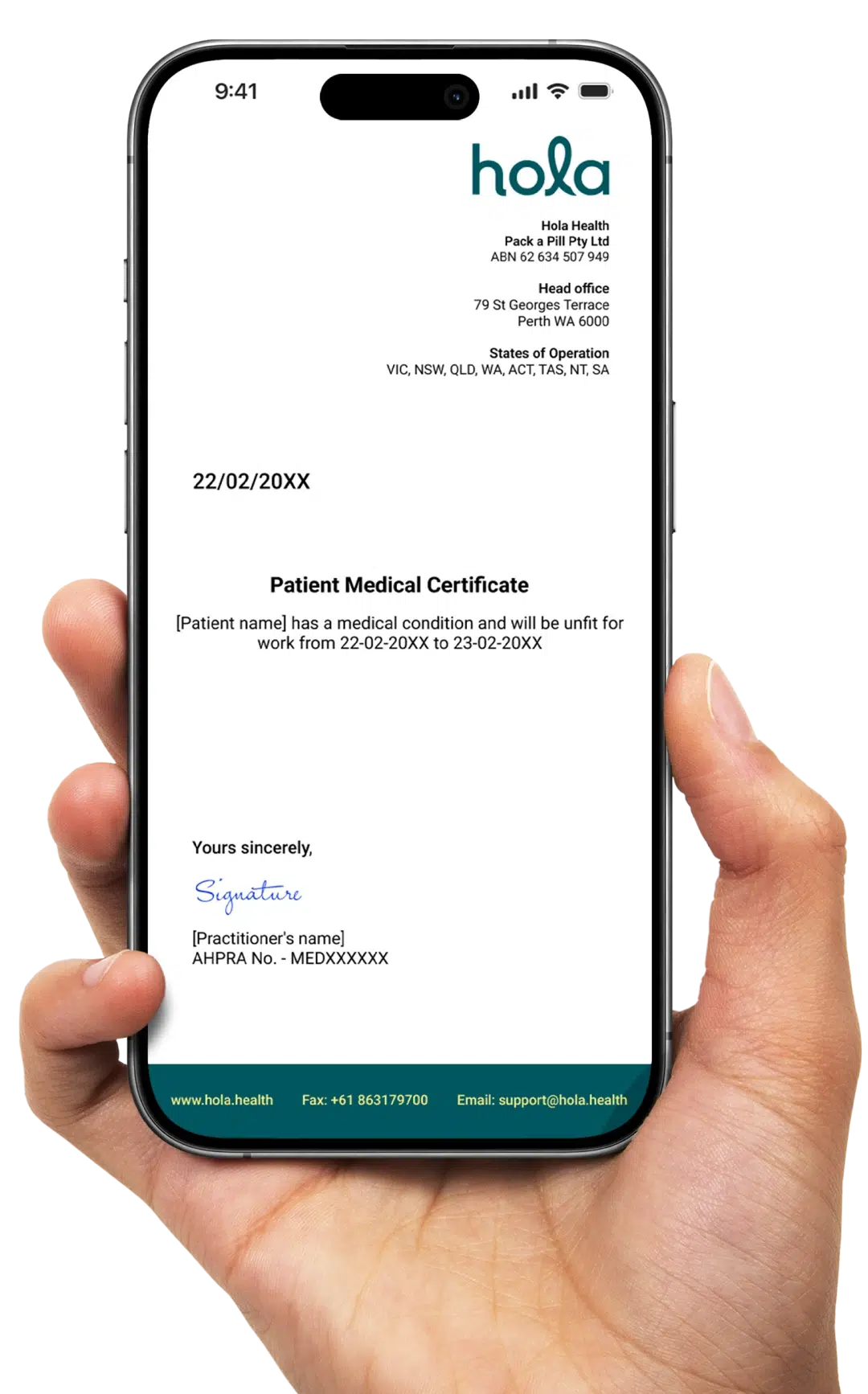
See a Aussie GP online, available 24/7
Download the app today.


Related Articles


Disclaimer
This blog is for general informational purposes only and does not indicate that Hola Health provides all treatments or preventive measures mentioned. It is not intended to be a substitute for professional medical advice. Always seek the guidance of your doctor or other qualified health professional with any questions you may have regarding your health or a medical condition. For emergencies please immediately contact 000. Any medical topics discussed are intended to educate, not to imply availability through Hola Health. Hola Health's telehealth services facilitate access to AHPRA-registered healthcare professionals in Australia; however, a telehealth consultation is not equivalent to an in-person medical examination. Telehealth may not be appropriate for all conditions, symptoms, or circumstances.