
What to Avoid After Flu Shot? Prepping and Aftercare Steps

Contents
 Facebook
  X
X  Copy Link
Summarise with AI:
 ChatGpt
  Google AI Mode
  Perplexity
  Claude
 This blog is for educational purposes only and does not replace professional medical advice or diagnosis. If you have health concerns, consult an AHPRA-registered telehealth GP or request a medical certificate online if clinically appropriate.
Overview
Flu shots, more commonly called the influenza vaccine in Australia, an effective way reduces the severity of the flu season each year. They help by prompting your immune system to build protection against the influenza virus. This means that mild side effects like a sore arm or slight fatigue are actually a signal your body is responding as expected. Taking care of yourself after the shot can help you feel better sooner. According to the Australian Immunisation Register (AIR)1, over 8.6 million influenza vaccine doses were recorded between March and July 2025, slightly higher than the same period in 2024. This became especially clear when vaccination rates fell to record lows while flu cases surged to a record 366,000. It’s an important reason to get your flu shot, and to support your recovery afterwards.Speak to an AHPRA-registered doctor or practitioner
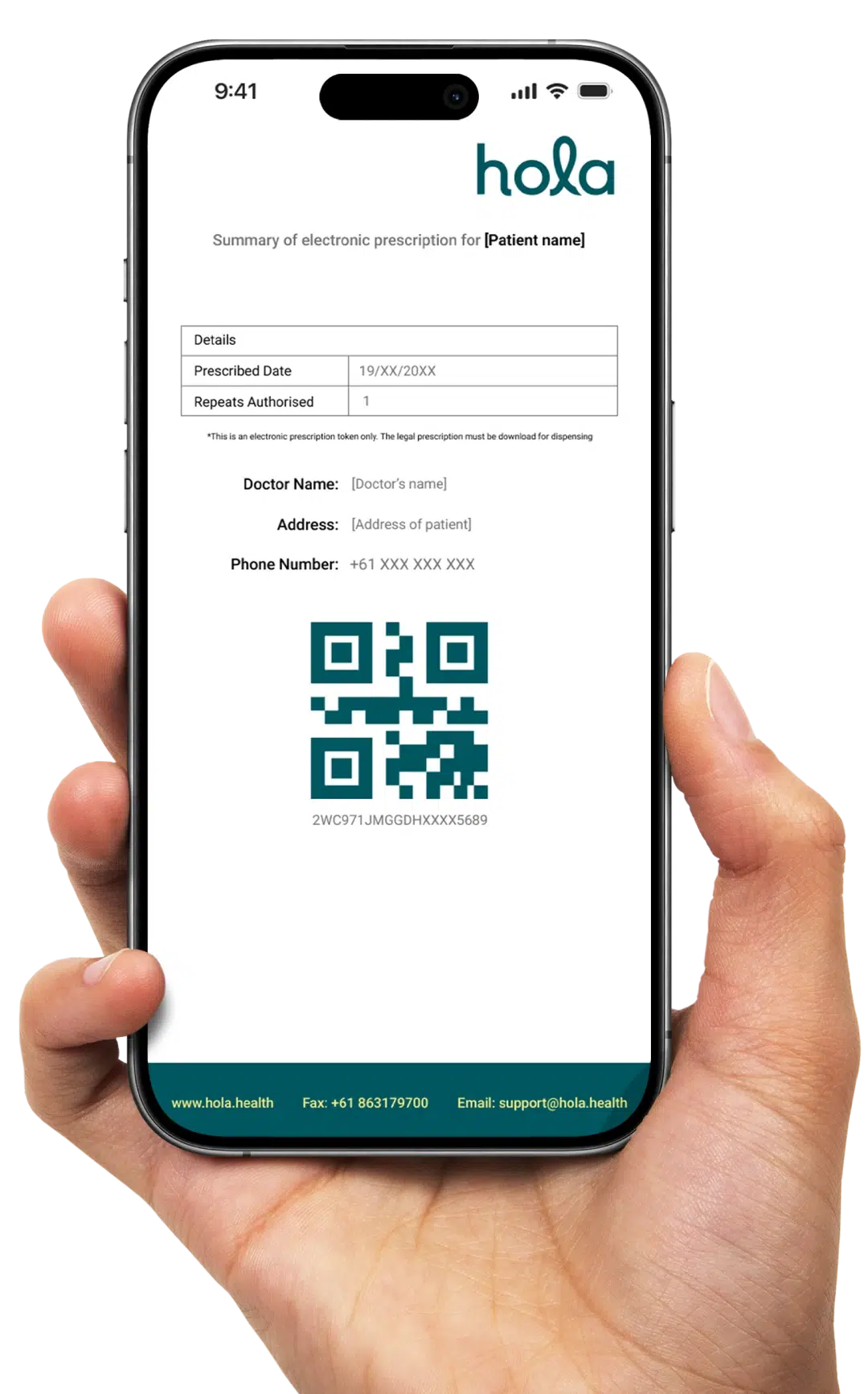
Request a scriptReceive your script via SMS, 24/7
What should you avoid after a flu shot?
After a flu shot, it’s best to avoid vigorous exercise, heavy weightlifting with the vaccinated arm, drinking excessive alcohol, rubbing or massaging the injection site, pushing yourself through fatigue, and ignoring worsening symptoms.What to avoid after a flu shot
Here are a few precautions that may help you feel better after your vaccination:- Intense exercise for at least 24 hours: Intense physical activity can put extra stress on your body and may worsen side effects such as fatigue or muscle aches. Light activity, like walking, is usually fine, but it’s wise to skip the gym until you’re feeling better.
- Heavy lifting with the vaccinated arm: The injection site can be tender for a day or two. Excess strain on that arm may increase soreness and slow down recovery.
- Excess alcohol: Alcohol can affect your body’s immune response and increase the risk of dehydration, which can leave you feeling more uncomfortable. It’s best to avoid drinking for at least 24 hours post-vaccination.
- Rubbing or massaging the injection site: You may feel like rubbing or scratching the area if it’s sore, but this will only increase the irritation and bruising. Avoid touching and let it heal on its own.
- Skipping rest if feeling tired: Tiredness after a flu shot is your immune system working hard. Take a rest, especially on the day of vaccination.
- Ignoring unusual symptoms: Experiencing mild side effects after a flu shot is normal. However, if you notice severe or worsening symptoms, consult a doctor.
Common side effects after a flu shot
Most people experience little or no reaction after their flu shot. If side effects do occur, they’re usually mild and settle within 1-3 days.- Sore arm: Swelling, tenderness, or redness at the injection site is quite common. It often eases within 1-2 days. A cold compress may help.
- Mild fever: A mild fever may develop on the first day. However, it usually settles without treatment.
- Headache: A minor headache may happen, but it may resolve within a day. Staying hydrated helps.
- Fatigue: Feeling worn out or tired is normal and often settles within 1-2 days. Rest and fluids are your best friends if you feel a bit run-down.
- Muscle aches: Mild body aches can happen as an immune system response. However, it passes within 1-3 days with rest.
Normal side effects vs when to see a doctor
| Normal side effects (no action needed) | See a doctor if you notice |
| Sore or tender arm at the injection site | Redness or swelling that’s getting worse after 48 hours |
| Low-grade fever (below 38.5°C) | High fever (above 39°C) that doesn’t settle |
| Mild fatigue or tiredness | Difficulty breathing or swallowing |
| Mild headache | Severe or worsening headache |
| Muscle aches for 1-3 days | Rash, hives, or signs of allergic reactions |
| Redness or bruising at the injection site | Symptoms that last more than 3-4 days or worsen |
How to prepare before your flu shot
A little preparation beforehand can help minimise discomfort and make recovery smoother:- Wear a loose-fitting top: The injection is given into the upper arm, so wear something that gives easy access. Sleeveless tops or loose-fitting clothes make the process easier.
- Stay well hydrated beforehand: Drink sufficient water before your appointment. Hydration helps your body cope with the injection and supports recovery.
- Eat a light meal: Don’t go in on an empty stomach. A light meal beforehand can help alleviate the chance of feeling lightheaded or faint.
- Mention any health conditions or medications: Let the doctor know about existing allergies, health conditions, or medications you are currently taking.
- Avoid intense exercise on the day: Skip the morning gym session or run before your appointment. Your body will respond better to the vaccine if it’s not already tired.
- Stay in the area for at least 15 minutes after: Vaccination providers request you to stay briefly after your shot to monitor for any immediate reactions.
Aftercare tips to feel better faster
Taking care of yourself in the 24-48 hours after your flu shot can make a real difference to how you feel:- Apply a cold compress: If your arm feels sore or swollen, a cold compress may ease discomfort.
- Keep your arm moving gently: Light arm movements can help reduce stiffness at the injection site. Avoid lifting heavy objects or doing anything that strains the arm.
- Drink sufficient fluids: Staying hydrated supports your immune system and helps if you’re experiencing fatigue or a mild fever.
- Take a rest: If you feel exhausted, that’s your body working hard. Take adequate rest, especially on the evening of your vaccination.
- Pain relief, if appropriate and advised: Over-the-counter pain relief may help manage soreness or mild fever if appropriate and advised by your doctor.
- Avoid alcohol for at least 24 hours: Alcohol can lead to dehydration and may interfere with your body’s immune response.
When to speak to a doctor after a flu shot
Most people will not have to consult a doctor after their flu shot. But there are situations where you may need to speak to a doctor:- Your arm is still very sore or swollen after 48-72 hours: Some tenderness is normal, but if you experience increasing pain or swelling at the site even after a couple of days, it is wise to speak to a doctor.
- You develop a high or persistent fever: A low-grade fever is normal. However, if your temperature is high or if it’s not improving, seek medical advice.
- You notice a skin rash: An unexpected rash may signal an allergic reaction and should be assessed immediately.
- Symptoms seem to be getting worse: Normal side effects should improve within 1-3 days. If you feel symptoms are getting worse, it is best to consult a doctor.
How Hola Health can help
If something doesn’t feel right after your flu shot, whether that’s a persistent sore arm, worsening symptoms, or simply a question you’re not sure about, Hola Health makes it easy to connect with a medical practitioner from anywhere in Australia. Through our platform, you can connect with a qualified doctor for an assessment of your symptoms, general advice on what to expect after vaccination, and suggestions on whether further review is needed. As with all consultations, outcomes are subject to clinical assessment and the medical practitioner’s discretion. Some situations may require an in-person examination, and telehealth is designed to complement traditional healthcare, not replace it.Conclusion
Getting your yearly influenza vaccine is one of the easiest and most important steps you can take to protect yourself and those around you during the flu season. With a little bit of planning beforehand and some simple care afterwards, most people experience only mild side effects that pass quickly. If something doesn’t feel right after your vaccination, don’t ignore it; consult a doctor. If visiting a clinic is difficult, telehealth can be a convenient option for a routine assessment.FAQs
Can I exercise after a flu shot?
Light physical activity is usually fine, but it’s best to avoid vigorous exercise for about 24 hours if you feel exhausted.Is it normal to feel sick after a flu vaccine?
Yes. Mild fatigue, headache, low fever, or muscle aches may happen. These are common signs that your immune system is responding and usually settle within a few days.How long do flu shot side effects last?
Common side effects last 1-3 days. If symptoms persist beyond that or worsen, speak to a doctor.Do I need to see a doctor if my arm is still sore after 3 days?
Mild soreness can sometimes linger, but if pain worsens, swelling increases, or movement is limited, speak to a doctor.Can you get the flu from the flu shot?
No, you cannot get influenza from the standard flu shot. The vaccine does not contain a live virus; hence it cannot cause influenza infection. Mild symptoms such as fever, fatigue, or muscle soreness after vaccination are simply your immune system responding to the vaccine and building its defences.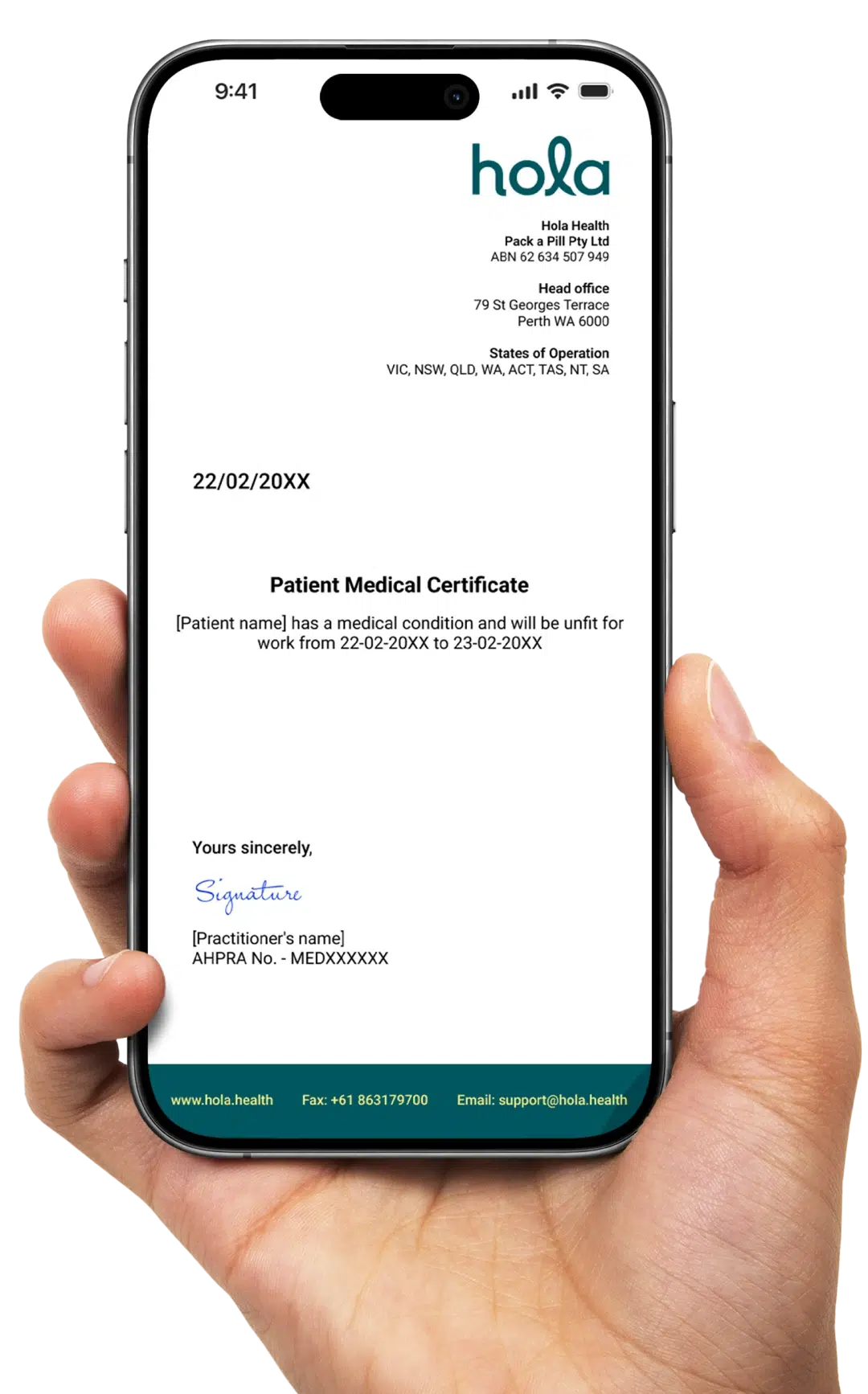
Reference
Influenza immunisation data - reference linkSee a Aussie GP online, available 24/7
Download the app today.


Related Articles



What to Avoid After Flu Shot? Prepping and Aftercare Steps
Disclaimer
This blog is for general informational purposes only and does not indicate that Hola Health provides all treatments or preventive measures mentioned. It is not intended to be a substitute for professional medical advice. Always seek the guidance of your doctor or other qualified health professional with any questions you may have regarding your health or a medical condition. For emergencies please immediately contact 000. Any medical topics discussed are intended to educate, not to imply availability through Hola Health. Hola Health's telehealth services facilitate access to AHPRA-registered healthcare professionals in Australia; however, a telehealth consultation is not equivalent to an in-person medical examination. Telehealth may not be appropriate for all conditions, symptoms, or circumstances.