

Are there any effective natural solutions for allergies?
Contents
 Facebook
  X
X  Copy Link
Overview
If you’re based in Australia, there’s a good chance that you or someone you know deals with allergies. Whether it’s hay fever from seasonal pollen, irritation caused by dust mites, or reactions to household pets, allergies are incredibly common across the country. While medications like antihistamines can provide relief, many people also look for natural or home remedies for added support. Let’s explore some proven, natural approaches that may help ease allergy symptoms safely, alongside professional healthcare recommendations.Understanding allergies
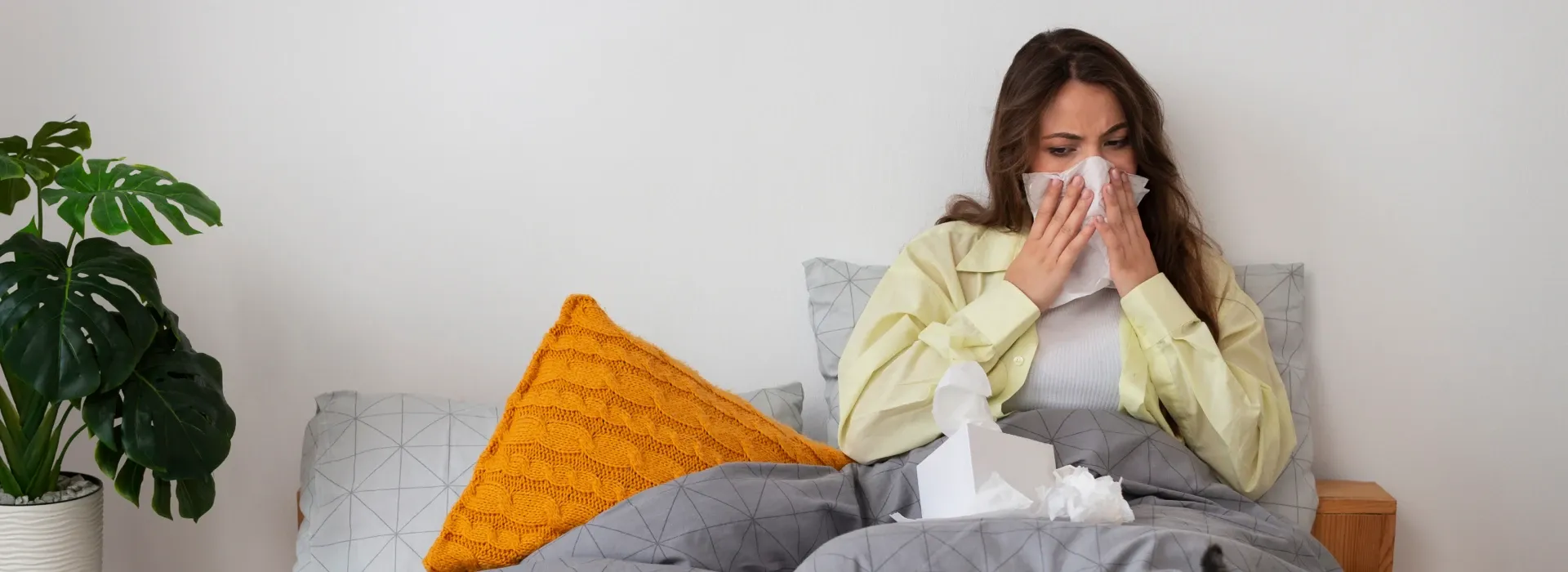
Allergies occur when the immune system reacts to harmless substances like pollen, dust, mould, or certain foods. When this happens, the body releases chemicals that cause symptoms such as:- Sneezing and a runny nose
- Itchy or watery eyes
- Skin rashes
- Coughing
- Fatigue or general discomfort
Why people turn to natural remedies
Many Australians explore natural remedies because they:- Prefer to avoid the risk of side effects caused by antihistamines or other medications
- Want sustained, long-term ways to support their immune system
- Wish to ease inflammation naturally
Natural remedies
Natural remedies may help reduce congestion, inflammation, and general discomfort caused by allergies, especially when used alongside your regular treatments.Saline nasal rinses
Saline nasal rinses are a simple and effective way to clear allergens from the nasal passages.- Helps flush out allergens, mucus, and irritants
- Simple, affordable, and easy to use at home
- Always prepare using clean, distilled, or boiled and cooled water
Steam inhalation
Steam inhalation may help loosen mucus and relieve nasal congestion.- Opens the nasal passages and reduces congestion
- Adding a few drops of eucalyptus or menthol may provide extra relief
- Avoid if you’re sensitive to strong essential oils
Honey (locally sourced)
Locally sourced honey is often used as a natural remedy for mild allergy symptoms.- May help build mild pollen tolerance, although evidence is mixed
- Useful as a soothing, natural sweetener for sore throats
Herbal and plant-based options
Some herbal and plant-based remedies may help ease allergy symptoms:- Quercetin: Found in apples, berries, and onions; may act as a natural antihistamine
- Butterbur extract: Some studies suggest it may reduce nasal allergy symptoms
- Turmeric (curcumin): Known for its anti-inflammatory properties
- Peppermint tea: May have a mild natural decongestant effect
Probiotics and gut health
A healthy gut microbiome may play a role in regulating immune responses.- A balanced gut may help reduce allergic reactions
- Include kefir, yoghurt, kombucha, or other fermented foods
- Probiotic supplements may also offer additional support
Air quality and environment
Improving indoor air quality can significantly reduce allergen exposure.- Use air purifiers with HEPA filters to reduce airborne allergens
- Keep windows closed during high pollen days
- Regular cleaning such as dusting, vacuuming, and washing bedding to remove allergens
Lifestyle changes
In addition to natural remedies, adopting healthy lifestyle habits can help strengthen your immune system and reduce allergy flare-ups over time.- Eat a balanced, anti-inflammatory diet rich in fruits, vegetables, whole grains, and omega-3 fatty acids.
- Stay well hydrated to help thin mucus and relieve congestion.
- Manage stress, as chronic stress can weaken the immune system and worsen allergy symptoms.
- Avoid smoking and exposure to second-hand smoke, which can irritate airways.
- Exercise regularly to support respiratory health and overall immunity.
When to see a GP
While mild allergy symptoms may improve with home care, it’s important to seek medical advice if:- Symptoms persist despite trying natural or home remedies
- Symptoms worsen, or you experience wheezing or shortness of breath
- You want to safely combine natural remedies with medical treatment
- You need guidance on allergy testing or long-term management
How Hola Health can help
If your allergies are becoming difficult to manage, Hola Health can connect you with qualified Australian GPs for quick, personalised care.- Access online GP consultations for allergy assessment and treatment.
- Get professional advice on safely combining natural and medical therapies.
- Receive eScripts for antihistamines, nasal sprays, or other prescribed treatments.
- Enjoy convenient, accessible care from anywhere in Australia.
Conclusion
Natural remedies can be helpful for managing allergy discomfort and supporting overall wellbeing. However, they are most effective when used alongside professional medical advice, especially if symptoms are ongoing or severe. If you’re struggling with allergy symptoms, speak with a Hola Health GP online for safe, evidence-based treatment options — including guidance on suitable natural solutions.FAQs
Are natural remedies really effective for allergies?
Some natural remedies may help ease symptoms, but they are most effective when used alongside medical advice rather than as a replacement.Is honey a proven cure for hay fever?
No. While honey may soothe the throat, scientific evidence supporting it as a hay fever cure is limited and mixed.Can herbal remedies replace antihistamines?
Herbal remedies may help reduce mild symptoms, but they should not replace proven medical treatments like antihistamines.Which foods help reduce allergic inflammation?
Foods rich in antioxidants and omega-3 fatty acids, such as berries, leafy greens, nuts, seeds, and oily fish, can support immune balance.Are there risks in using natural allergy treatments?
Yes. Some herbal products can cause side effects or interact with medications, so it’s important to check with your GP before using them.See a Aussie GP online, available 24/7
Download the app today.


Related Articles
How Asthma Action Plans Help You Breathe Easier
What is an Asthma Action Plan and how does it help? Written by Dr Nelson...
Know All About The Summer Skin Rashes
Know All About The Summer Skin Rashes Written by Sai Pragna Chagarla, Staff Writer ÔÇô...
Disclaimer
This blog is for general informational purposes only and does not indicate that Hola Health provides all treatments or preventive measures mentioned. It is not intended to be a substitute for professional medical advice. Always seek the guidance of your doctor or other qualified health professional with any questions you may have regarding your health or a medical condition. For emergencies please immediately contact 000. Any medical topics discussed are intended to educate, not to imply availability through Hola Health.