

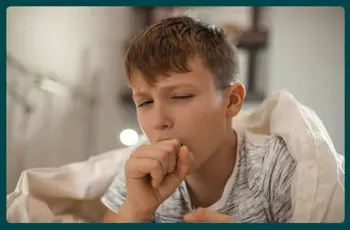
Coughing and wheezing at night in kids: What to do?

Contents
 Facebook
  X
X  Copy Link
Overview
Coughing and wheezing at night are frequent occurrences in children and can be concerning for parents. In many cases, these symptoms can be managed at home; however, they may sometimes indicate a more serious condition, such as asthma, allergies, or an infection. Understanding the possible causes and recognising when to seek medical attention can help ensure better sleep and overall wellbeing for your child.
Note: The content of this blog is for informational purposes only and does not replace professional medical diagnosis, advice, or treatment.
Causes
Asthma
- Coughing and wheezing that intensify during the night or in the early morning
- Feeling of chest tightness or shortness of breath
- Symptoms can be triggered by dust, exercise, viral infections, or cold air
Viral infections
- Common cold, flu, or respiratory syncytial virus (RSV)
- Symptoms may worsen at night when your child is lying down
Allergies
- Dust mites, pollen, mould, or pet dander
- Postnasal drip can trigger coughing at night
Reflux (GORD)
- Stomach acid can rise when lying down
- May irritate the throat and airways
Environmental factors
- Exposure to smoke
- Dry air
- Strong scents or cleaning products
- Abrupt temperature changes in the bedroom
Other causes
- Bronchiolitis (particularly in infants)
- Whooping cough (pertussis)
- Chronic or congenital lung conditions
Symptoms to watch for
- Persistent wheezing
- Rapid or difficult breathing
- Coughing spells, especially during the night
- Poor sleep or frequent awakenings
- Runny or congested nose
- Decreased appetite or daytime fatigue
When to seek medical help immediately
- Call 000 or visit the nearest Emergency Department (ED) immediately if your child exhibits:
- Difficulty breathing or rapid breathing
- Retractions (sucking in of the chest)
- Bluish lips or face
- High fever along with cough
- Extreme fatigue or confusion
How to manage at home
Ensure a safe bedroom environment
- Minimise dust, pet hair, and mould
- Use a humidifier if the air is dry
- Avoid smoking around the child
- Keep strong fragrances and cleaning products away
Positioning and comfort
- Slightly elevate your child’s head while sleeping
- Maintain a cool and comfortable room temperature
Hydration
- Offer warm fluids before bedtime to help soothe the throat
Medications (if prescribed)
- Administer inhalers or puffers for asthma as directed
- Use saline or allergy sprays if advised by a doctor
- Only give medications approved by a healthcare professional
Monitor symptoms
- Track when symptoms occur during the night
- Identify possible triggers such as dust, exercise, or weather changes
- Observe whether symptoms are improving or worsening
Preventative measures
- Use allergy-proof covers for mattresses and pillows
- Encourage regular hand washing to reduce infection risk
- Keep vaccinations up to date
- Avoid exposure to tobacco smoke
- Consult a doctor regularly if your child has asthma or recurring symptoms
Note: This information is for educational purposes only. Always consult a GP before trying home remedies to ensure they are safe and appropriate for your child’s condition.
How Hola Health can help
Access to timely medical advice can make it easier to manage your child’s night-time cough and wheezing. Online GP services can support parents with guidance, symptom assessment, and next steps for care when needed.
- Online GP consultations for evaluations and recommendations.
- Referrals to pediatric specialists for asthma or allergy management where a physical referral is clinically indicated.
- Clinical assessment for necessary medications, such as inhalers or allergy treatments, where clinically appropriate.
- Medical certificates for school absences.
- Advice on managing symptoms and knowing when to seek additional care.
Note: An online GP can evaluate symptoms and provide advice; however, a physical, in-person examination may be required to listen to your child’s chest for an accurate diagnosis.
Conclusion
Night-time coughing and wheezing in children can be worrying, but in many cases, the symptoms are manageable with the right care and attention. Understanding the common causes, from asthma and allergies to viral infections and environmental triggers, helps you respond quickly and confidently. Keep a close eye on any changes, create a healthy sleep environment, and don’t hesitate to seek medical help if symptoms become severe or persistent.
FAQs
Why does my child cough only at night?
Lying down can exacerbate postnasal drip, reflux, or asthma symptoms, making the cough more prominent at night.
Can allergies lead to wheezing in children?
Yes, allergies can irritate the airways and trigger wheezing, particularly with exposure to dust mites or pet dander.
How can I determine if it’s asthma or a cold?
Asthma often causes recurrent night-time wheezing and coughing, while a cold usually improves within one to two weeks.
When is it appropriate to use my child's prescribed inhaler?
Use it exactly as your GP has instructed, especially when symptoms like wheezing or chest tightness appear.
Can online GPs assist children's night-time cough?
Yes, online GPs can help assess your child’s symptoms and provide guidance on managing night-time cough and when further care may be needed.
See a Aussie GP online, available 24/7
Download the app today.


Related Articles

Disclaimer
This blog is for general informational purposes only and does not indicate that Hola Health provides all treatments or preventive measures mentioned. It is not intended to be a substitute for professional medical advice. Always seek the guidance of your doctor or other qualified health professional with any questions you may have regarding your health or a medical condition. For emergencies please immediately contact 000. Any medical topics discussed are intended to educate, not to imply availability through Hola Health.