

40 Healthy Habits For Women Over 40

Contents
 Facebook
  X
X  Copy Link
Overview
In Australia, there are more than 7 million women over the age of 401, making up nearly half of the total female population. This period often involves significant transitions: shifts in hormones, pressures from family and career, and emerging health issues such as bone density loss, cardiovascular disease, and stress. By adopting healthy lifestyle choices and keeping up with regular medical visits, women can protect their health, sustain their energy, and thrive for many more years to come.Health challenges in Australian women over 40
As women advance through their 40s, certain health conditions become increasingly prevalent:- Physical health: Heart disease, diabetes, osteoporosis, arthritis, and breast cancer.
- Mental well-being: Anxiety, depression, and stress related to work and family obligations.
- Reproductive health: Menopause, irregular menstrual cycles, endometriosis, and an elevated risk of breast or cervical cancer.
- Other concerns: Skin cancer (due to the harsh Australian sun) and increasing rates of dementia with age.
Hormonal alterations occur in your 40s
Menopause typically starts between the ages of 45 and 55, but symptoms of perimenopause can begin earlier. These hormonal changes are associated with a decrease in oestrogen and other hormones. Common symptoms include:- Hot flushes and excessive sweating
- Trouble sleeping
- Mood fluctuations and lapses in memory
- Vaginal dryness and lower sex drive
- Bone loss, which heightens the risk of osteoporosis
- Hormonal fluctuations can also lead to fat redistribution towards the abdomen, increasing the likelihood of heart disease and diabetes.
40 healthy lifestyle suggestions for women over 40
Diet & nutrition
- Incorporate a variety of vibrant fruits and vegetables into your daily meals.
- Focus on calcium-rich foods such as yogurt, cheese, and dark leafy greens to safeguard your bones.
- Ensure adequate protein intake through lean meats, legumes, tofu, and fish to sustain muscle strength.
- Opt for whole grains like brown rice, oats, and wholemeal bread rather than refined carbohydrates.
- Minimise consumption of processed foods laden with salt, sugar, and unhealthy fats.
- Maintain hydration by drinking at least 6–8 glasses of water each day.
- Limit alcohol consumption and adhere to safe drinking recommendations.
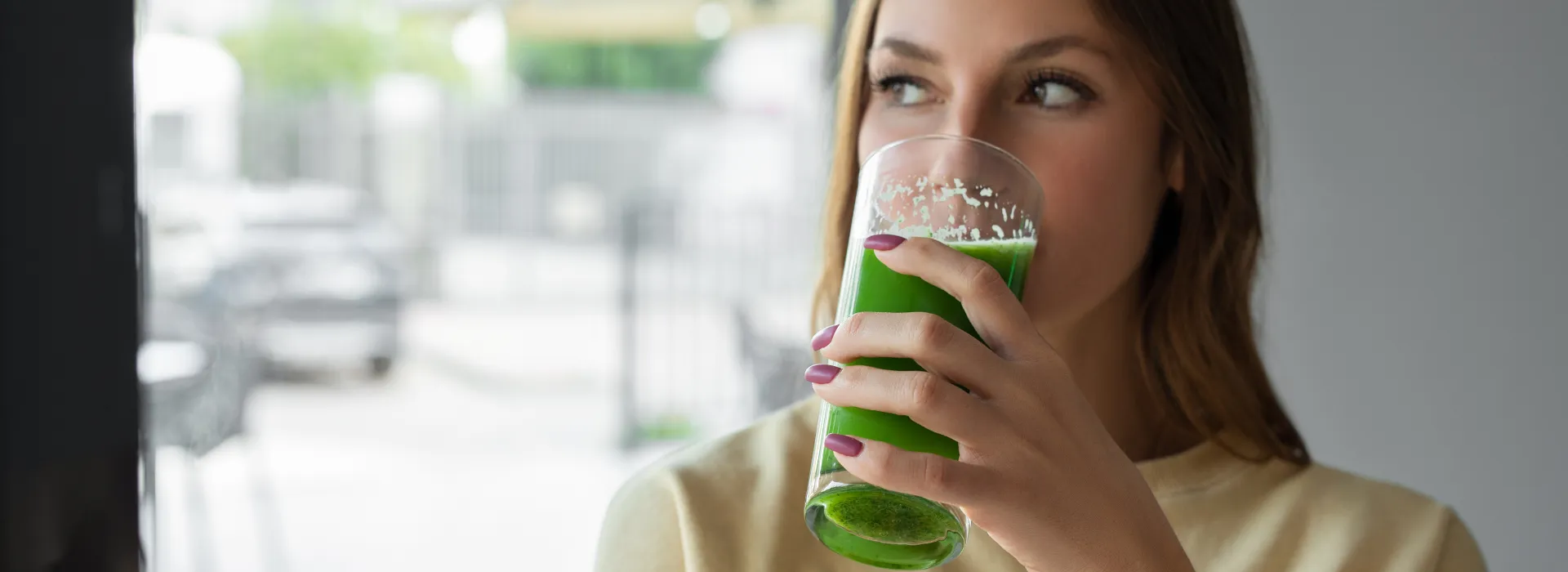
- Cut down on sugary beverages and substitute them with water or herbal teas.
- Utilise smaller plates to manage portion sizes and prevent overeating.
- Support local agriculture by purchasing fresh, seasonal fruits and vegetables.
Fitness & mental health
- Aim for at least 30 minutes of physical activity nearly every day.
- Incorporate resistance training (weights, resistance bands, bodyweight exercises) twice weekly.
- Consider engaging in yoga or pilates to enhance flexibility and alleviate stress.
- Make walking part of your daily routine; even brief walks can add up.
- Break long periods of sitting with stretches or standing activities.
- Engage in outdoor activities such as hiking, swimming, or cycling to maintain your motivation.
- Practice mindfulness or meditation as tools for stress management.
- Maintain a gratitude journal to improve your mental well-being.
- Value your social connections and spend quality time with family and friends.
- Seek assistance from a therapist if feelings of stress, anxiety, or sadness become too much to handle.
Preventive health care
- Schedule regular visits with your general practitioner (GP) to monitor your overall health.
- Keep track of key health indicators: blood pressure, cholesterol, and blood sugar levels.
- Schedule regular mammograms to check for breast cancer.
- Continue with Pap smears and cervical screening tests as advised.
- Consider a bone density assessment if you are at risk for osteoporosis.
- Stay up to date with your vaccinations, including flu and COVID boosters.
- Conduct monthly breast self-exams to identify any changes promptly.
- Be mindful of your heart health — don’t dismiss symptoms like chest pain, palpitations, or shortness of breath.
- Have consistent dental check-ups to maintain your oral health.
How can you establish enduring healthy habits?
Consistency is essential. Minor daily actions can accumulate into significant changes over time.- Start gradually: Try taking a 20-minute walk every day.
- Develop routines: Set reminders for medication, stretching, or staying hydrated.
- Monitor your progress: Use applications like Healthdirect2 or a smartwatch.
- Remain adaptable: If you miss a day, reset your goals—don’t give up.
Common mistakes to avoid in your 40s
Many women accidentally put their health at risk by:- Skipping necessary check-ups and screenings.
- Ignoring signs of stress, anxiety, or insufficient sleep.
- Using alcohol or smoking as coping mechanisms.
- Neglecting sun protection, which poses a significant risk in Australia.
- Overlooking sexual and pelvic health.
When to consult a doctor
Contact your GP if you experience:- Changes in your breasts or unusual bleeding.
- Severe menopause symptoms that persist.
- Chest pain, breathlessness, or dizziness.
- Persistent feelings of sadness, anxiety, or mood fluctuations.
- New or changing spots or moles on your skin.
How can Hola help
Telehealth simplifies health management for women balancing work and family commitments. With Hola Health, you can:- Schedule online GP appointments or after hours doctors from the comfort of home.
- Obtain eScripts for medications if the doctor deems them necessary.
- Get medical certificates when you're unwell and require time off from work.
- Receive referrals for specialist care as necessary.
Reference
- ABS - reference link
- Healthdirect - reference link
See a Aussie GP online, available 24/7
Download the app today.


Related Articles


Hangover And The Heart: Effects Of Excessive Drinking On The Human Body
How Drinking Excessive Alcohol Affects Your Health Written by Sai Pragna Chagarla, Staff Writer ÔÇô...
Disclaimer
This blog is for general informational purposes only and does not indicate that Hola Health provides all treatments or preventive measures mentioned. It is not intended to be a substitute for professional medical advice. Always seek the guidance of your doctor or other qualified health professional with any questions you may have regarding your health or a medical condition. For emergencies please immediately contact 000. Any medical topics discussed are intended to educate, not to imply availability through Hola Health.