
Online doctors for quitting smoking: Your virtual lifeline

Contents
 Facebook
  X
X  Copy Link
Summarise with AI:
 ChatGpt
  Google AI Mode
  Perplexity
  Claude
 This blog is for educational purposes only and does not replace professional medical advice or diagnosis. If you have health concerns, consult an AHPRA-registered telehealth GP or request a medical certificate online if clinically appropriate.
Overview
In today's fast-paced world, the idea of visiting a doctor for every health concern can seem daunting. However, thanks to technological advancements, accessing healthcare has become much easier. If you're considering quitting smoking, web doctors can be a valuable resource to help you achieve your goal. Let's explore how online doctors can assist you in your smoking cessation journey. While online doctor consultations offer convenience, some health concerns may require an in-person assessment, physical examination, or testing.Consult an AHPRA-registered practitioner online, anytime
Consult NowAvailable 24/7 across Australia
Why quit smoking?
Before we delve into the how, let's revisit the why. We all know smoking is harmful, but sometimes we need a reminder of the stakes. Smoking damages nearly every organ in your body, increasing your risk of heart disease, stroke, and a host of other serious illnesses. It also affects your appearance, causing premature wrinkles and yellowing of teeth. Imagine yourself in a few years; wouldn't you rather be the picture of health than battling the consequences of smoking?How to make yourself mentally ready for quitting smoking or vaping?
Quitting smoking or vaping is not just about physical withdrawal; it's also a mental battle. Prepare yourself by setting a quit date and informing your friends and family about your decision. Visualise yourself as a non-smoker, enjoying the benefits of a healthier lifestyle.- Mindfulness and meditation: Incorporate mindfulness techniques or meditation into your daily routine. This will help you become more aware of your cravings and develop healthier coping mechanisms.
- Positive affirmations: Repeat positive affirmations to yourself, such as "I am strong and capable of quitting" or "I am choosing a healthier life for myself."
- Reward system: Set up a reward system for yourself. For each milestone you achieve, treat yourself to something you enjoy. This will help you stay motivated and focused on your goal.
What happens when you quit smoking?
The good news is that your body starts to heal almost immediately after you quit smoking.- 20 Minutes: Your blood pressure and heart rate start to return to normal
- 12 Hours: The carbon monoxide level in your blood drops to normal.
- 24 Hours: Your heart rate and blood pressure reduces
- 48 Hours: Your nerve endings start to regrow, and your ability to smell and taste is enhanced.
- 72 Hours: Your bronchial tubes relax, making breathing easier.
- 2-12 Weeks: Your circulation improves
- 3-9 Months: Coughing, wheezing, and breathing problems improve as your lung function increases by up to 10%.
- 1 Year: Your risk of coronary heart disease is about half that of a smoker's
- 5 Years: Your risk of stroke is reduced to that of a non-smoker
- 10 Years: Your risk of lung cancer falls to about half that of a smoker, and your risk of cancers of the mouth, throat, esophagus, bladder, cervix, and pancreas decreases
- 15 Years: Your risk of coronary heart disease is that of a non-smoker's
How to quit smoking (start your journey, without travelling to a clinic)?
Quitting smoking can feel like climbing a mountain, but with the right support, it's achievable. Start by identifying your triggers – situations or emotions that make you want to smoke. Develop coping mechanisms, such as exercise or deep breathing, to deal with these triggers.- Cold turkey: This involves stopping smoking completely on your quit date.
- Gradual reduction: You gradually decrease the number of cigarettes you smoke each day until you stop completely.
- Nicotine Replacement Therapy (NRT): This involves using products like patches, gum, or inhalers to help manage withdrawal symptoms.
- Prescription medications: Your doctor may prescribe medications" with A medical practitioner may discuss prescription medication options (if clinically appropriate)
Are smoking cessation products safer than smoking?
Thinking about giving up smoking, but wondering if nicotine products are any safer? We know that smoking causes serious health issues, such as heart disease, and chronic obstructive pulmonary disease (COPD). These risks come from the toxic substances in tobacco smoke. In Australia, studies1 show that tobacco smoke has over 7,000 chemical substances, with over 69 known carcinogens. Smoking cessation products are a better choice than ongoing tobacco use. Let's explore what these products are, how they work, how they compare to smoking, and key points to consider before using them.What are smoking cessation products?
There are several proven options available to help Australians stop smoking, including nicotine replacement therapies, prescription medications, and behavioural assistance2.- Nicotine Replacement Therapy (NRT): These include patches, gums, lozenges, sprays, and inhalers.
- Prescription medications: These include drugs such as TGA-approved prescription options.
- Non-nicotine options: These include behavioural support like counselling, support lines (for example, Quitline in Australia), and telehealth support.
How do they work?
Here's a breakdown of their mechanism:- They gradually reduce nicotine cravings by supplying nicotine in a controlled way (in the case of NRT), rather than through smoking.
- They relieve withdrawal symptoms that appear when a person quits smoking, like anxiety, mood changes, and concentration issues.
- They enable people to quit without breathing in harmful toxins, tar and carbon monoxide that come from burning tobacco.
- Many programs combine management with behavioural support to achieve may assist in achieving cessation goals.
Are they safer than smoking?
Yes, much safer. Let's look at the reasons:- Smoking delivers thousands of chemicals into your lungs and bloodstream, and many are toxic and carcinogenic.
- NRTs provide nicotine without the tar, carbon monoxide, and many combustion-related toxins. According to the Australian practitioners, "smoking cessation using NRT is always less harmful than continuing to smoke3."
- NRT products and prescription medicines used to quit smoking are regulated and authorised by Australia's Therapeutic Goods Administration (TGA), ensuring they are safe, high-quality and effective for use.
- Australia's healthcare system recommends NRT and behavioural support as management pathways for people trying to quit smoking.
Common misconceptions
Here are some myths and clarifications:- "Nicotine itself causes cancer" – Myth. While nicotine is addictive, most smoking-related illnesses, like cancer and heart disease, are caused by numerous toxic substances in tobacco smoke.
- "Quitting cold turkey is better" – While some people manage to quit on their own, relapse rates remain high. Using NRT together with behavioural support significantly improves your chances of staying smoke-free.
- "Using nicotine products just replaces one addiction with another" – NRTs and prescription medicines are meant to be for temporary use to support gradual withdrawal from nicotine, not as a long-term substitute for smoking.
Side effects & safety tips
Here is a quick table for better understanding:| Product type | Common side effects | Tips |
| Patch | Skin irritation at the application site, insomnia | Rotate the site daily |
| Gum/lozenge | Mouth irritation, hiccups | Use as directed |
| Spray/inhaler | Throat irritation | Avoid overuse |
- Side effects are usually mild and short-lived, and far less dangerous than ongoing smoking.
- NRTs are generally safe for most people, including individuals with stable heart conditions.
- If you experience chest pain, breathing difficulties, or severe allergic reactions, call 000 immediately or attend your nearest Emergency Department.
Can I get a telehealth appointment to discuss my plan to quit smoking?
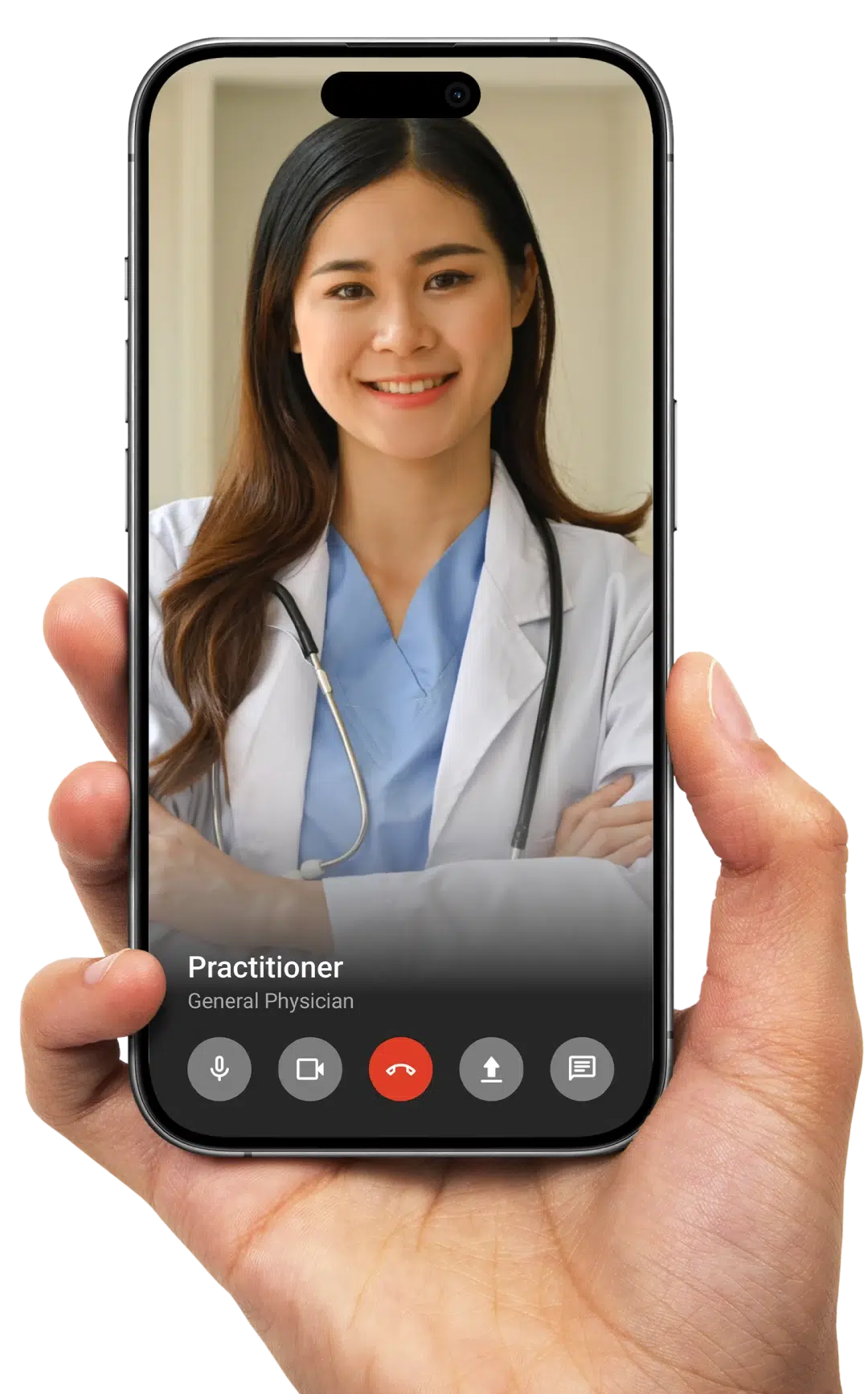
Online doctors offer telehealth appointments, allowing you to discuss your quit plan from the comfort of your own home. They can provide personalised advice, recommend suitable management, and answer any questions you may have. It's like having a supportive friend in your corner, cheering you on every step of the way.What to expect from an online doctor quitting smoking?
During your online consultation, the doctor will take a detailed medical history, including your smoking habits, any previous quit attempts and any existing health conditions. They might inquire about your motivation to quit, triggers and challenges you anticipate. Based on this assessment, they will recommend a suitable management plan, which could include NRT, prescription medications or behavioural therapies. They will also address any concerns you may have and provide ongoing support throughout your journey.Can you get an online prescription to quit smoking?
You can access a consultation to discuss your needs. If clinically appropriate and based on the practitioner's professional judgement, a prescription for smoking cessation medication may be provided. Note: Specific medication names cannot be advertised; your doctor will discuss options suitable for you.Dealing with relapse ?
Relapse is a common part of the quitting process, but it doesn't mean failure. If you slip up, don't beat yourself up. Instead, analyse what triggered the relapse and develop strategies to prevent it from happening again. Remember, every attempt brings you closer to your goal.What are the side effects of quitting smoking or vaping?
While quitting smoking or vaping is incredibly beneficial, you may experience some temporary side effects, such as:- Irritability or mood swings
- Increased appetite or weight gain
- Cravings for nicotine
- Coughing
- Constipation
- Difficulty concentrating
- Headaches
- Insomnia
- Fatigue
How Hola Health can help you
At Hola Health, we provide personalised online doctor consultations to support your smoking cessation journey. Our telehealth doctors can:- Review your smoking habits and nicotine dependence level.
- Assess your suitability for the most suitable cessation product or combination (patches, gum, lozenge, sprays, or prescribed medicines) tailored to your individual needs.
- Offer behavioural support through telehealth, including quit planning, withdrawal management, and progress monitoring.
- Conduct regular follow-ups, adjust your plan as required, and assist with gradual nicotine reduction.
Where can I get additional support?
In addition to speaking with a GP, there are several other resources available to provide support during your quit journey:- Quitline (13 7848): A free, confidential telephone service offering expert advice and support to help you quit smoking. Quitline is available across Australia and offers callback services and online chat options in some states and territories. Note: These external support services are not provided directly by Hola Health and are included for informational purposes only
- My QuitBuddy app: A free app that provides personalised support, daily motivational messages, and tools to track your progress and savings.
- Local quit smoking services: Many states and territories offer free, face-to-face support from trained advisors. Check with your local health department or community health centre for services in your area.
- QuitCoach: A free online tool that creates a personalised quitting plan based on your responses to questions about your smoking habits and quit attempts.
Conclusion
Quitting smoking is one of the best decisions you can make for your health and well-being. With the help of online doctors, you can access the support and guidance you need to achieve your goal. Remember, it's not about being perfect; it's about progress. Every cigarette you don't smoke is a victory. So, take that first step today and start on your journey back to health.FAQs
Can nicotine replacement therapy (NRT) cause addiction?
NRT provides nicotine and can maintain nicotine dependence temporarily, but it's far less addictive than cigarettes because it doesn't have the same rituals, chemicals, or quick nicotine hits. The goal is gradual reduction.Are vaping products considered a safe way to quit smoking?
Vaping products (e-cigarettes) are not considered a first-line smoking cessation therapy in Australia. The TGA hasn't approved them as standard cessation products, and their long-term health effects are still uncertain. Current clinical guidelines prioritise NRT and prescription medications over vaping.What are the side effects of smoking cessation products?
Side effects are usually mild. Patches may cause skin irritation or insomnia. Gum or lozenges may lead to mouth irritation, hiccups, or an upset stomach. Sprays or inhalers may cause throat irritation. These effects are less harmful than smoking-related damage.How long should I use nicotine replacement therapy?
It depends on individual objectives and nicotine dependence. Standard guidelines suggest an initial management period of approximately 8–12 weeks, which can be extended if necessary. Some people continue using NRT for longer under medical supervision, with a gradual reduction plan in place.Can I use more than one nicotine replacement product at the same time?
Yes, in fact, many Australian guidelines suggest using a combination NRT (e.g., patch plus gum or lozenge) for people with higher nicotine dependence, as it increases quit success and is safe when used correctly.Where can I get help to quit smoking online in Australia?
You can access supports such as:- The National Cessation Platform, through the Australian Government Department of Health, is for quitting smoking and vaping.
- Online consultations through providers like Hola Health.
- The Quitline: call 13 78 48 in Australia for quitting smoking and vaping.


See a Aussie GP online, available 24/7
Download the app today.


Related Articles


Disclaimer
This blog is for general informational purposes only and does not indicate that Hola Health provides all treatments or preventive measures mentioned. It is not intended to be a substitute for professional medical advice. Always seek the guidance of your doctor or other qualified health professional with any questions you may have regarding your health or a medical condition. For emergencies please immediately contact 000. Any medical topics discussed are intended to educate, not to imply availability through Hola Health. Hola Health's telehealth services facilitate access to AHPRA-registered healthcare professionals in Australia; however, a telehealth consultation is not equivalent to an in-person medical examination. Telehealth may not be appropriate for all conditions, symptoms, or circumstances.