

Night sweats causes explained with treatments
Contents
 Facebook
  X
X  Copy Link
Overview
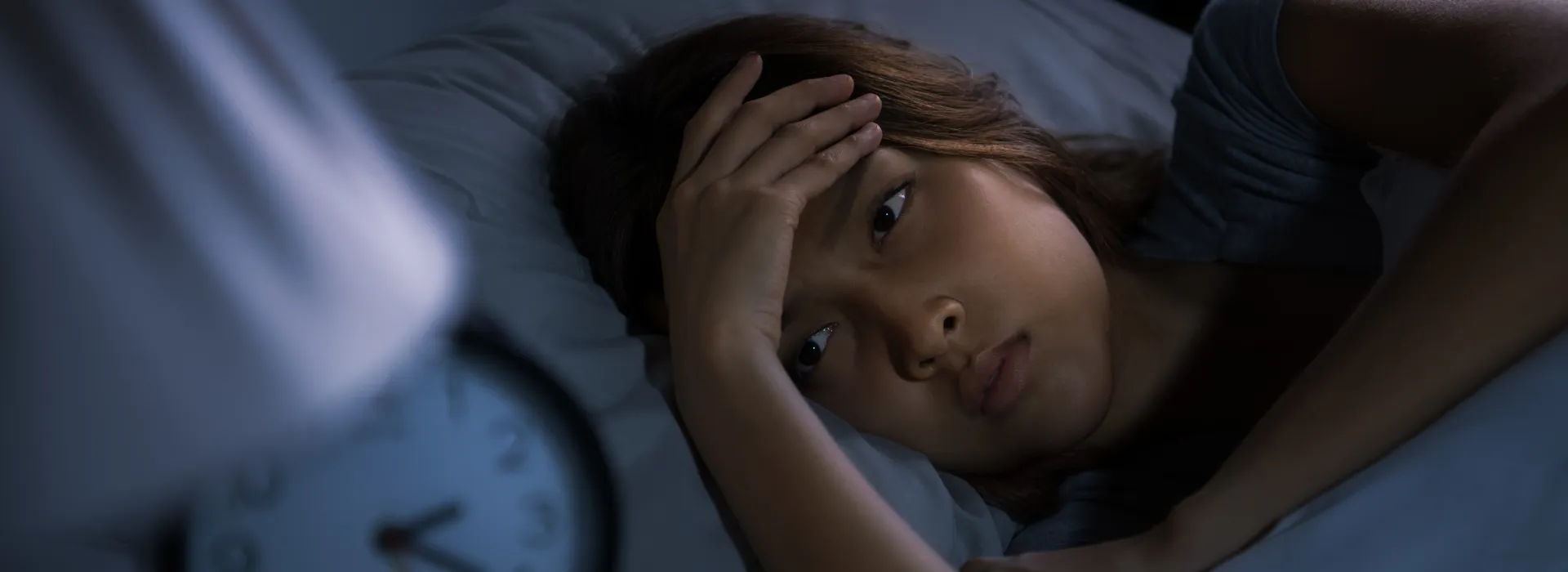
Night sweats — the puzzling, sweaty phenomenon — often leave you thinking, “Why am I drenched in sweat when all I want is a good night’s sleep?” While it’s normal to sweat lightly on warm nights or as a result of mild stress, excessive sweating in bed can be more than just a hassle. It may signal that something in your body is not quite right.
From hormonal fluctuations to infections and medications, night sweats can have a variety of causes. Let’s examine the common reasons behind this nighttime discomfort and discuss how to manage it using practical, clinically guided strategies.
Note: The content of this blog is for informational purposes only and does not replace professional medical diagnosis, advice, or treatment.
What are night sweats?
Night sweats are episodes of excessive sweating that happen while you’re asleep, often leaving your bedclothes and sheets soaked. Unlike regular sweating, which helps regulate body temperature, night sweats occur without external heat, such as a warm room or heavy blankets.
Night sweats may indicate an underlying health issue, including hormonal imbalances, infections, medication side effects, or chronic conditions. While they can be temporary and harmless, persistent or severe night sweats should be monitored carefully, especially if accompanied by other symptoms.
Causes of night sweats
Night sweats may have several causes, ranging from relatively harmless to more serious conditions. Here are some common causes:
-
Hormonal imbalances:
- Menopause: A significant drop in oestrogen levels can disrupt the hypothalamus’s ability to regulate body temperature, leading to hot flushes and night sweats. It is a common symptom of menopause, affecting more than 70% of menopausal women1.
- Pregnancy: Hormonal fluctuations during pregnancy can lead to sweating at night.
- Hyperthyroidism: An overactive thyroid gland can trigger excessive perspiration, particularly at night.
-
Infections:
- Tuberculosis: A bacterial infection that may cause night sweats, often accompanied by fever and weight loss.
- Endocarditis: An infection of the heart valves that may lead to night sweats.
- HIV/AIDS: People with advanced HIV or AIDS may experience night sweats as the disease progresses.
-
Medications:
- Certain medications, including antidepressants (e.g. SSRIs), fever-reducing medications, and hormonal therapies, can interfere with the body’s thermoregulation and cause night sweats as a side effect.
-
Chronic conditions:
- Diabetes: Blood sugar fluctuations, particularly when levels drop significantly at night, can trigger adrenaline release and sweating.
- Cancer: Conditions such as lymphoma and leukaemia can lead to night sweats due to the body’s immune response.
-
Sleep disorders:
- Sleep apnoea: Disrupted breathing during sleep can provoke night sweats as the body struggles to maintain adequate oxygen levels.
-
Stress and anxiety:
- Emotional stress and anxiety can activate the body’s fight-or-flight response, occasionally resulting in night sweats.
-
Diet and lifestyle factors:
- Spicy foods or alcohol: Consuming these, especially close to bedtime, can raise body temperature and trigger night sweats.
Recognising the root cause is crucial for determining the appropriate treatment. If night sweats continue or are accompanied by concerning symptoms, seeking medical advice is advisable.
Note: If night sweats are accompanied by high fever, sudden chest pain, or severe difficulty breathing, please call 000 immediately or visit your nearest Emergency Department. Do not use telehealth for emergency medical concerns.
Home remedies to try
Here are some home remedies that may help manage night sweats. This information is for educational purposes only. You should consult a GP before attempting home remedies to ensure they are safe for your specific condition.
- Maintain a comfortable temperature at night: Choose lightweight and breathable fabrics for sleepwear and bedding, such as cotton. Use a fan or air conditioning to keep the room cool. Placing a bowl of ice near a fan may enhance the cooling effect.
- Hydration and dietary adjustments: Stay adequately hydrated throughout the day to help regulate body temperature. Avoid spicy foods, caffeine, and alcohol, particularly in the evening. Herbal teas may help some individuals, although evidence is limited.
- Apply cool compresses: Placing a cool, damp cloth on the neck or forehead before bed may help lower body temperature.
- Relaxation techniques: Deep breathing, yoga, or meditation can help reduce stress-related sweating.
- Use of essential oils: Some essential oils may provide a calming effect. Always dilute oils before applying to the skin and test on a small patch first to check for irritation.
- Lifestyle modifications: Engage in regular physical activity, but avoid intense exercise close to bedtime. Maintaining a consistent sleep schedule may also help regulate temperature patterns.
When should I be worried about night sweats?
Individuals should take heed of night sweats if the following conditions are met:
- They occur with a high frequency and consistently disturb sleep patterns.
- Additional symptoms, including unexplained weight loss, fever, chills, fatigue, or a persistent cough accompany them.
- They begin abruptly and do not have an identifiable cause, such as menopause, stress, or changes in room temperature.
- They continue despite the implementation of home remedies or lifestyle modifications.
In these instances, it is advisable to seek the expertise of a healthcare professional to rule out underlying conditions, which may include infections, hormonal imbalances, or more serious health issues such as lymphoma or tuberculosis.
Accessing Professional Support
If night sweats persist, it is important to seek a clinical assessment to identify the underlying cause.
- Clinical Consultation: You can access an online consultation to discuss your symptoms and medical history with a General Practitioner.
- Clinical Management: A doctor can provide a management plan or, if clinically appropriate, issue a prescription for underlying causes such as menopause-related symptoms.
- Referrals: If your symptoms require further investigation (such as blood tests or imaging), a doctor can provide a referral to an in-person clinic or specialist.
- Continuity of Care: To ensure safe long-term health outcomes, a summary of your consultation can be shared with your regular family GP to maintain accurate medical records.
Note: Online consultations are a complementary option for convenience. However, they have limitations, as a physical examination (such as checking your heart or lungs) cannot be performed remotely. An in-person visit may be required for a definitive diagnosis.
FAQs
Do menopause-related night sweats ever end?
Menopause-related night sweats usually subside, but the timing can vary. Most women experience them during perimenopause and the early stages of menopause. Symptoms often improve within 1–2 years, but some may continue with reduced intensity. If symptoms are persistent or severe, it may be helpful to consult a healthcare provider about treatment options such as hormone replacement therapy.
Can stress cause night sweats?
Yes, stress can cause night sweats by activating the body’s fight-or-flight response, which may increase sweating during sleep.
Can night sweats be prevented?
Night sweats may be difficult to prevent entirely, but managing triggers such as stress, avoiding spicy foods or alcohol before bedtime, and keeping the bedroom cool can reduce their occurrence and intensity.
In summary, night sweats may be triggered by various causes, including hormonal changes, infections, or stress. The key is to identify and address the root cause effectively with appropriate treatment. Whether it involves cooling the room, managing stress, or consulting a doctor, there are ways to improve sleep quality and reduce nighttime sweating.
See a Aussie GP online, available 24/7
Download the app today.


Related Articles

Hangover And The Heart: Effects Of Excessive Drinking On The Human Body
Disclaimer
This blog is for general informational purposes only and does not indicate that Hola Health provides all treatments or preventive measures mentioned. It is not intended to be a substitute for professional medical advice. Always seek the guidance of your doctor or other qualified health professional with any questions you may have regarding your health or a medical condition. For emergencies please immediately contact 000. Any medical topics discussed are intended to educate, not to imply availability through Hola Health.