

Sleep disorders: What is it & how to fix it?

Contents
 Facebook
  X
X  Copy Link
Overview
We all experience that feeling of exhaustion—dragging ourselves through the day, having a hard time concentrating, and feeling as if we can never get enough sleep. If sleepless nights become a regular part of life, it might point to a sleep disorder. Whether it's difficult falling asleep or waking up too soon, these issues can affect everything you do. The great thing is that you don’t have to tackle this alone. By learning about the different types, signs, and reasons behind sleep disorders, you can begin to regain your energy and boost your overall health. This guide will look at ways to address sleep disorders, what habits to steer clear of for a better night’s rest, and when to reach out for assistance.
Note: The content of this blog is for informational purposes only and does not replace professional medical diagnosis, advice, or treatment.
What is a sleep disorder?
A sleep disorder is a condition that impairs sleep quality, timing, or duration, resulting in interrupted rest. These problems can manifest in a variety of ways, including difficulties falling and staying asleep, excessive daytime drowsiness, and atypical sleep patterns. Stress, physical ailments, mental health conditions, lifestyle choices, and poor sleeping habits are all potential causes of sleep disorders. Sleep disorders can significantly impact physical and mental health, leading to issues like fatigue, irritability, difficulty concentrating, and a weakened immune system. If sleep problems persist, seeking professional help is important to identify the underlying cause and improve sleep quality.
Types of sleep disorders
Different forms of sleep disorders include:
- Insomnia: Trouble getting to sleep or staying asleep, which often leaves you feeling tired during the day.
- Sleep apnoea: A condition where your breathing stops and starts while you sleep, resulting in restless nights.
- Narcolepsy: Episodes of deep sleep that happen unexpectedly during the day, sometimes with sudden sleep attacks.
- Restless legs syndrome (RLS): A strong need to move your legs, usually with discomfort, making it hard to sleep.
- Parasomnias: Unusual behaviors while you sleep, like sleepwalking, experiencing night terrors, or acting out dreams.
- Circadian rhythm disorders: When your body’s internal clock doesn’t match the outside world, leading to sleep issues (like shift work sleep disorder or jet lag).
Symptoms of sleep disorders
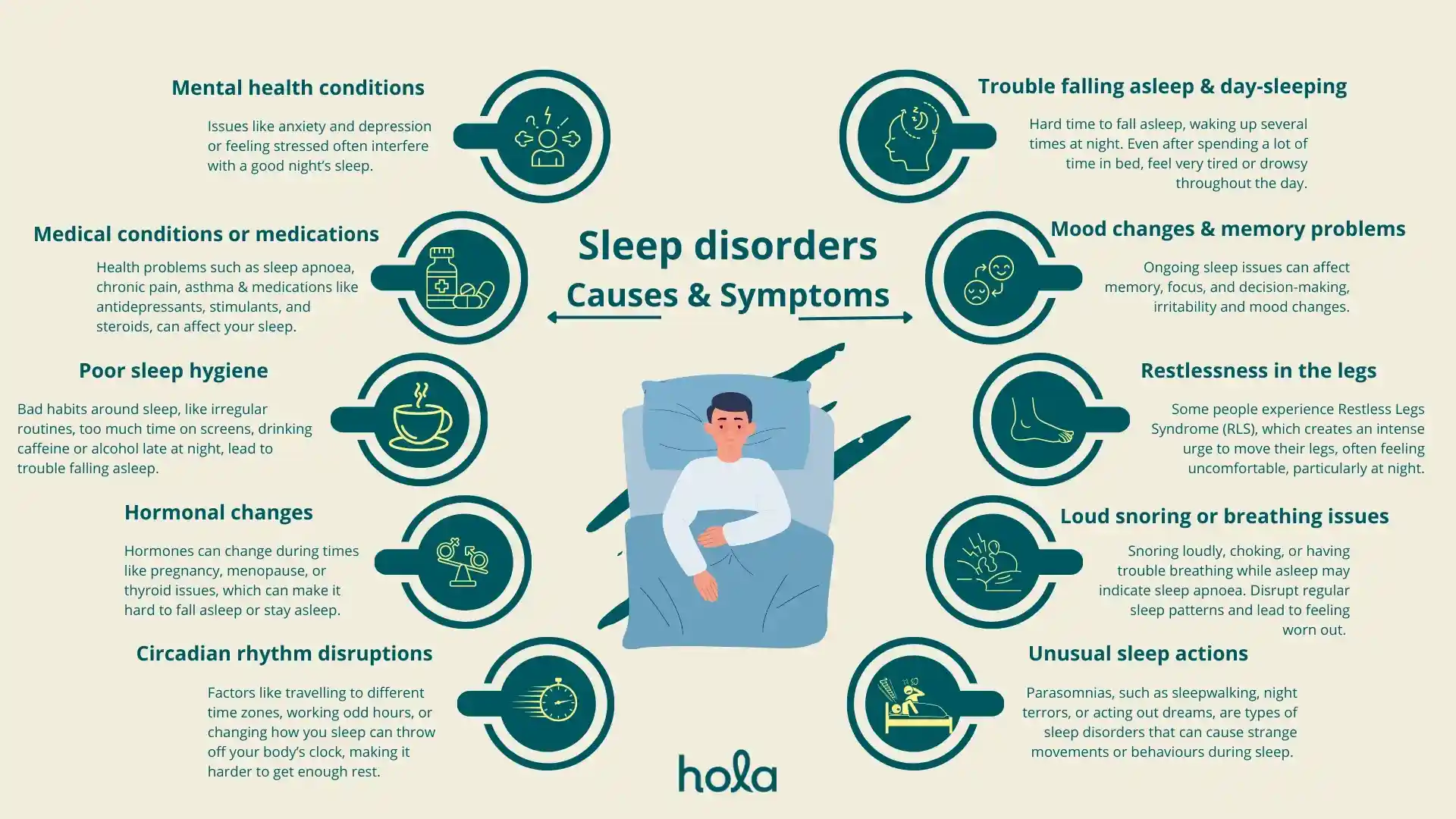
The symptoms of sleep disorders can vary depending on the type of disorder, but common signs include:- Trouble falling asleep or staying asleep: Many people with sleep issues have a hard time falling asleep or wake up several times during the night, finding it tough to fall back asleep. This can result in low-quality sleep and tiredness during the day.
- Feeling sleepy during the day: Even after spending a lot of time in bed, those with sleep problems might still feel very tired or drowsy throughout the day, making it difficult to stay alert and focused.
- Waking up at night: Getting up multiple times during the night and struggling to fall asleep again can leave you feeling tired in the morning.
- Loud snoring or breathing issues: Snoring loudly, choking, or having trouble breathing while asleep may indicate sleep apnoea and can disrupt regular sleep patterns.
- Restlessness in the legs: Some people experience Restless Legs Syndrome (RLS), which creates an intense urge to move their legs, often causing discomfort at night and interfering with sleep.
- Unusual sleep actions: Parasomnias, such as sleepwalking, night terrors, or acting out dreams, can cause unusual movements or behaviours during sleep.
- Shifts in mood or irritability: Poor sleep can lead to irritability, mood changes, and difficulty focusing during the day.
- Memory or thinking problems: Ongoing sleep issues can affect memory, focus, and decision-making, making daily activities more challenging.
Causes of sleep disorders
Sleep disorders can be caused by a wide range of factors, including medical, psychological, and environmental factors:- Stress and anxiety: Feeling stressed or anxious can make it difficult to relax and fall asleep.
- Mental health conditions: Issues like anxiety and depression often interfere with sleep, making it hard to fall asleep or causing daytime tiredness.
- Medical conditions: Conditions such as sleep apnoea, chronic pain, asthma, and restless legs syndrome can disrupt sleep quality.
- Poor sleep hygiene: Irregular routines, excessive screen time, and late consumption of caffeine or alcohol can interfere with natural sleep cycles.
- Hormonal changes: Changes during pregnancy, menopause, or thyroid conditions can impact sleep.
- Medications: Some medications, including antidepressants, stimulants, and steroids, may affect sleep patterns.
- Caffeine and alcohol: Consuming caffeine or alcohol late in the day can disrupt sleep quality and patterns.
- Circadian rhythm disruptions: Travelling across time zones, shift work, or irregular sleep schedules can disturb the body’s internal clock.
Consequences of lack of sleep
Some major consequences of lack of sleep include:- Trouble with thinking: Lack of sleep can affect memory, concentration, and daily performance.
- Weakening your defenses: Poor sleep weakens the immune system, increasing susceptibility to illness.
- Higher chances of accidents: Reduced alertness and slower reaction times increase the risk of accidents.
- Shifts in mood: Sleep deprivation can lead to irritability, mood swings, and emotional sensitivity.
- More stress: Increased cortisol levels can make stress harder to manage.
- Health risks: Chronic sleep deprivation is linked to conditions like heart disease, high blood pressure, diabetes, and obesity.
- Lowered performance: Physical performance, coordination, and productivity may decline.
- Hormonal disruption: Sleep loss can affect appetite-regulating hormones, potentially leading to weight gain.
How much sleep do I need?
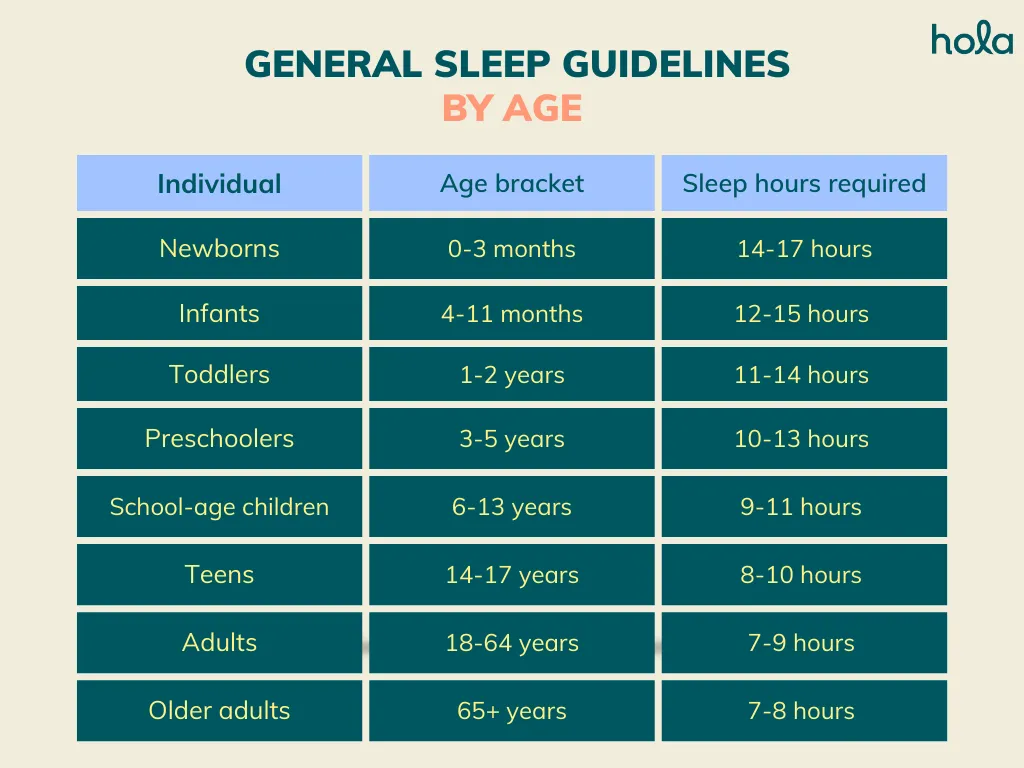 The amount of sleep you need depends on your age and lifestyle. General guidelines suggest:
- Newborns (0-3 months): 14-17 hours
- Infants (4-11 months): 12-15 hours
- Toddlers (1-2 years): 11-14 hours
- Preschoolers (3-5 years): 10-13 hours
- School-age children (6-13 years): 9-11 hours
- Teens (14-17 years): 8-10 hours
- Adults (18-64 years): 7-9 hours
- Older adults (65+ years): 7-8 hours
How to manage sleep disorders?
To manage a sleep disorder, consider these strategies:- Create good sleep habits: Maintain a consistent sleep schedule and create a calm, dark, and comfortable sleep environment.
- Try relaxation techniques: Meditation, deep breathing, or relaxation exercises can help reduce stress.
- Stay active: Regular physical activity supports better sleep, but avoid intense exercise close to bedtime.
- Tackle stress and worries: Seek support for anxiety or stress through therapy or counselling.
- Get professional advice: Consult a doctor if sleep issues persist for appropriate treatment options.
What should I avoid to get better sleep?
To improve sleep quality, avoid the following:- Caffeine: Avoid in the afternoon and evening.
- Alcohol: Can disrupt sleep quality despite initial drowsiness.
- Heavy meals: Avoid large or spicy meals before bedtime.
- Screens: Limit screen use before bed to reduce blue light exposure.
- Intense exercise: Avoid vigorous workouts close to bedtime.
- Napping late: Late or long naps can interfere with nighttime sleep.
- Stress and worrying: Try relaxation techniques before bed.
When to consult a GP?
If sleep issues persist for several weeks despite self-care, seek medical advice. Consider consulting a GP if you experience:- Ongoing insomnia: Difficulty falling or staying asleep.
- Daytime drowsiness: Persistent tiredness despite adequate sleep.
- Loud snoring or gasping: Possible signs of sleep apnoea.
- Mood changes: Irritability, anxiety, or depression linked to sleep issues.
- Physical discomfort: Pain interfering with sleep.
- Sleep disturbances: Sleepwalking or severe nightmares.
Opting for a mental health care plan
Choosing a mental health care plan can help manage anxiety, depression, and related sleep issues. These plans often include therapy, medication, and lifestyle adjustments tailored to your needs. Eligible patients may access bulk-billed services through bulk billing, reducing financial stress. Improving sleep habits alongside mental health support can significantly enhance overall wellbeing.See a Aussie GP online, available 24/7
Download the app today.


Related Articles



Disclaimer
This blog is for general informational purposes only and does not indicate that Hola Health provides all treatments or preventive measures mentioned. It is not intended to be a substitute for professional medical advice. Always seek the guidance of your doctor or other qualified health professional with any questions you may have regarding your health or a medical condition. For emergencies please immediately contact 000. Any medical topics discussed are intended to educate, not to imply availability through Hola Health.